
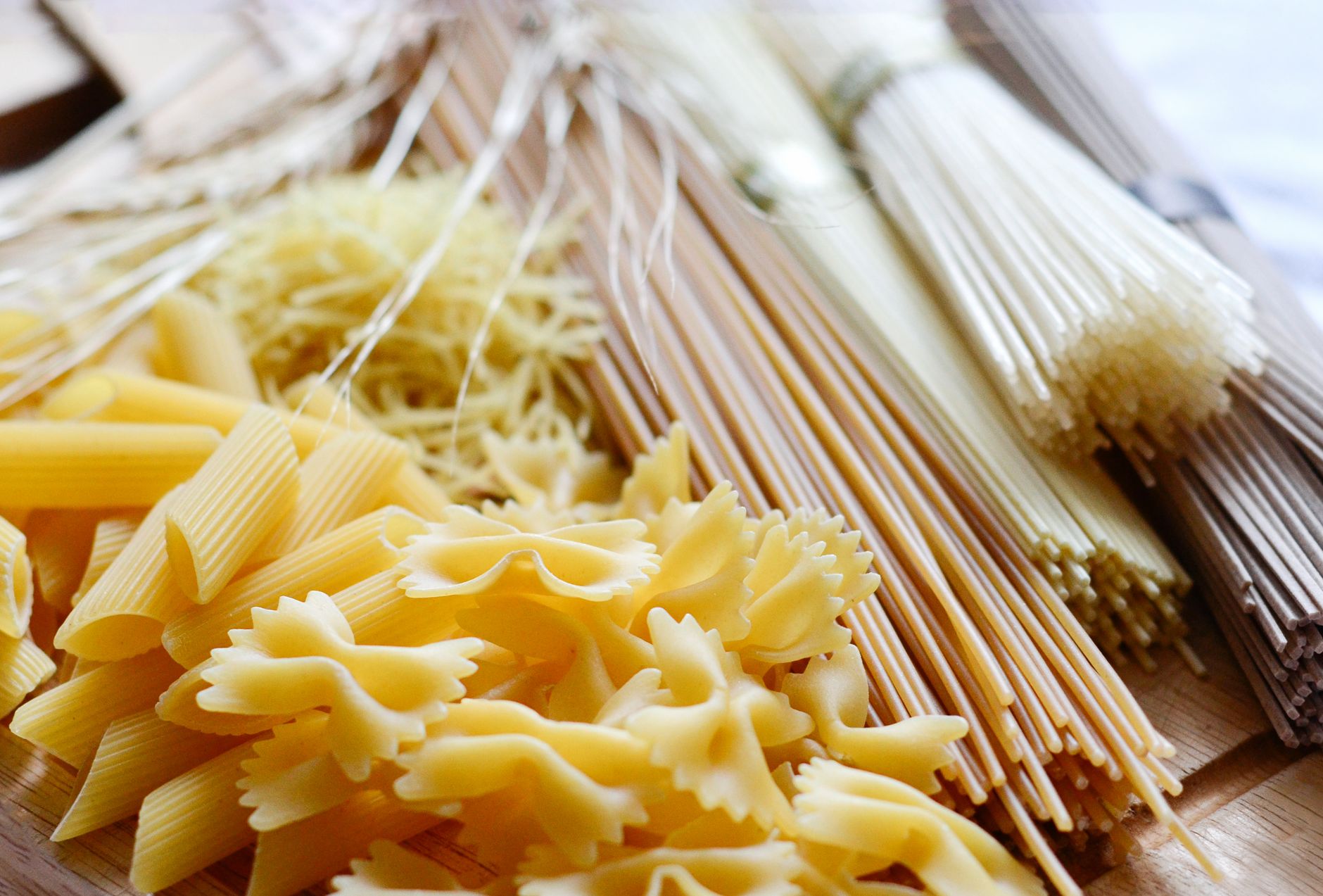
Carbohydrates are an essential macronutrient found in a wide range of foods. They serve as a primary source of energy for the body, making them crucial for daily functions. Understanding which foods contain carbohydrates can help you make informed dietary choices, whether you’re planning meals or looking for energy sources.
This article delves into the various foods that contain carbohydrates, breaking them down into categories like grains, fruits, vegetables, and dairy. We’ll explore their nutritional benefits, characteristics, and any potential substitutes available for those with dietary restrictions.
What Foods Have Carbohydrates?
Foods high in carbohydrates include grains, fruits, vegetables, legumes, dairy, and certain snacks. These foods provide energy, fiber, and essential nutrients. Understanding these categories can help you maintain a balanced diet, suitable for various health and lifestyle goals.
Main Sources of Carbohydrates
Carbohydrates can be classified into three main types: sugars, starches, and fiber. The following sections detail the various foods that fit these categories.
Grains
Grains are among the most common sources of carbohydrates. They can be whole or refined and include various types, each with unique nutritional profiles.
- Whole Grains: Whole grains contain all parts of the grain, making them nutrient-dense. Examples include:
- Brown rice
- Quinoa
- Oats
- Whole wheat bread
- Barley
- Refined Grains: These grains have been milled to remove the bran and germ, leading to a loss of fiber and nutrients. Examples include:
- White rice
- White bread
- Pasta made from refined wheat
- Cereal made from refined grains
Fruits
Fruits are rich in vitamins, minerals, and fiber, making them an excellent source of carbohydrates, particularly natural sugars. Some common fruits include:
- Bananas
- Apples
- Berries (strawberries, blueberries, raspberries)
- Oranges
- Mangoes
Fruits typically contain a variety of other beneficial compounds, such as antioxidants, which contribute to their overall health benefits.
Vegetables
Vegetables are generally low in carbohydrates, but some starchy varieties provide a considerable amount. Non-starchy options still contain some carbs along with essential nutrients:
- Starchy Vegetables:
- Potatoes
- Sweet potatoes
- Peas
- Corn
- Non-Starchy Vegetables: Typically lower in carbohydrates, these include:
- Broccoli
- Spinach
- Carrots
- Zucchini
- Bell peppers
Legumes
Legumes, including beans, lentils, and peas, are rich in both carbohydrates and protein. They’re also an excellent source of fiber, making them a valuable addition to any diet. Common options include:
- Black beans
- Chickpeas
- Lentils
- Kidney beans
- Pinto beans
Dairy Products
Dairy products contain lactose, a natural sugar that provides carbohydrates. While dairy is not as high in carbohydrates as grains and fruits, it still contributes to your overall intake. Popular dairy sources include:
- Milk
- Yogurt
- Cheese (lower in carbs compared to milk)
Snacks and Processed Foods
Many packaged snacks and processed foods are significant sources of carbohydrates, often containing added sugars or refined grains. Examples include:
- Chips and crackers
- Granola bars
- Cookies and cakes
- Sugary cereals
While these foods can provide quick energy, they may lack the nutritional benefits found in whole foods.
Understanding Carbohydrates: Simple vs. Complex
Carbohydrates can be categorized into simple and complex forms, which affect how they are digested and utilized by the body.
Simple Carbohydrates
Simple carbohydrates consist of one or two sugar molecules. They are quickly absorbed into the bloodstream, leading to rapid increases in blood sugar levels. Common sources include:
- Table sugar
- Honey
- Fruit juices
- Candy
While they can provide quick energy, consuming them in moderation is important, as they may lead to energy crashes.
Complex Carbohydrates
Complex carbohydrates, composed of longer chains of sugar molecules, are digested more slowly, providing a sustained energy release. They are typically found in:
- Whole grains
- Legumes
- Vegetables
Due to their fiber content and nutrient density, complex carbohydrates are generally more beneficial for overall health.
Carbohydrate-Rich Foods in Different Diets
Understanding carbohydrate sources is particularly important in dietary planning. Different eating styles will have varying carbohydrate ratios.
Balanced Diet
A balanced diet typically includes a modest amount of carbohydrates, focusing on complex carbs from whole grains, fruits, and vegetables. This approach ensures adequate energy while providing fiber and essential nutrients.
Low-Carbohydrate Diets
Low-carbohydrate diets, like ketogenic or paleo, restrict carbohydrate intake to promote fat as a primary energy source. Foods consumed primarily include:
- Meats
- Fish
- Eggs
- Non-starchy vegetables
While effective for weight loss for some, these diets may require careful planning to meet nutrient needs.
Vegetarian and Vegan Diets
Vegetarians and vegans often rely on plant-based sources of carbohydrates, mainly from fruits, vegetables, grains, and legumes. Although they may reduce or eliminate certain carb-rich foods like dairy and eggs, these diets can also include plenty of whole grain options.
Common Mistakes to Avoid
Here are some common pitfalls to avoid when selecting carbohydrate sources:
- Over-relying on processed foods: These can be high in added sugars and low in nutrients.
- Neglecting fiber: Choosing simple carbs over fiber-rich foods can contribute to health issues.
- Not considering portion sizes: Even healthy carbs should be consumed in moderation.
Practical Substitutions for Carbohydrate Sources
Many foods rich in carbohydrates can be substituted with healthier alternatives that still provide essential nutrients. Here are some practical options:
Grain Substitutions
- Instead of white rice, consider quinoa or cauliflower rice for added nutrients and lower carbs.
- Replace regular pasta with whole grain or chickpea pasta for higher fiber content.
Sugar Alternatives
- Use honey or maple syrup in place of refined sugar for a more natural sweetener.
- Consider fruit purees or dates for sweetness without added sugar.
Reducing Bread Consumption
- Instead of bread, use lettuce leaves for wraps or open-faced sandwiches.
- Try spiralized vegetables as a base for dishes instead of noodles.
How to Incorporate Healthy Carbs Into Your Diet
Incorporating carbohydrates into your diet healthily can be simple with some planning.
- Start your meals with a base of vegetables or whole grains.
- Incorporate fruits as snacks or desserts.
- Experiment with legume-based dishes to boost fiber and protein intake.
Storing and Preparing Carbohydrate-Rich Foods
Proper storage and preparation methods can help maintain the quality of carbohydrate-rich foods. Here are some tips:
Storing Grains and Legumes
- Keep grains and legumes in airtight containers in a cool, dry place to prevent spoilage.
- Cooked grains and legumes can be stored in the refrigerator for 3 to 5 days. Freeze any extra portions for later use.
Storing Fruits and Vegetables
- Store fruits at room temperature until ripe, then refrigerate to extend shelf life.
- Keep vegetables in crisper drawers, and wash them only before use to avoid spoilage.
Preparing Cooked Foods
- When cooking grains, follow package instructions for the best results.
- For legumes, soak if necessary to soften and reduce cooking time.
Monitoring Your Carb Intake
For those monitoring carbohydrate intake, consider the following strategies:
- Track food intake using apps to understand your daily carb consumption.
- Divide meals into balanced portions of proteins, fats, and carbohydrates to maintain energy levels.
Incorporate your carbohydrate sources thoughtfully to maintain overall health and well-being.
Conclusion
Understanding the types of foods that contain carbohydrates and how they function can empower you to make safer and healthier food choices. Whether you aim for a balanced diet or explore alternative eating patterns, knowing your carbohydrate sources is essential.
Next, consider how you can enhance your meals with healthier carbohydrates by exploring fruits, vegetables, and whole grains. Check out our guides on the carbohydrate content in eggs and whether broccoli has carbs to further enrich your dietary knowledge.
For more recipes, cooking tips, and guides, explore our website.