
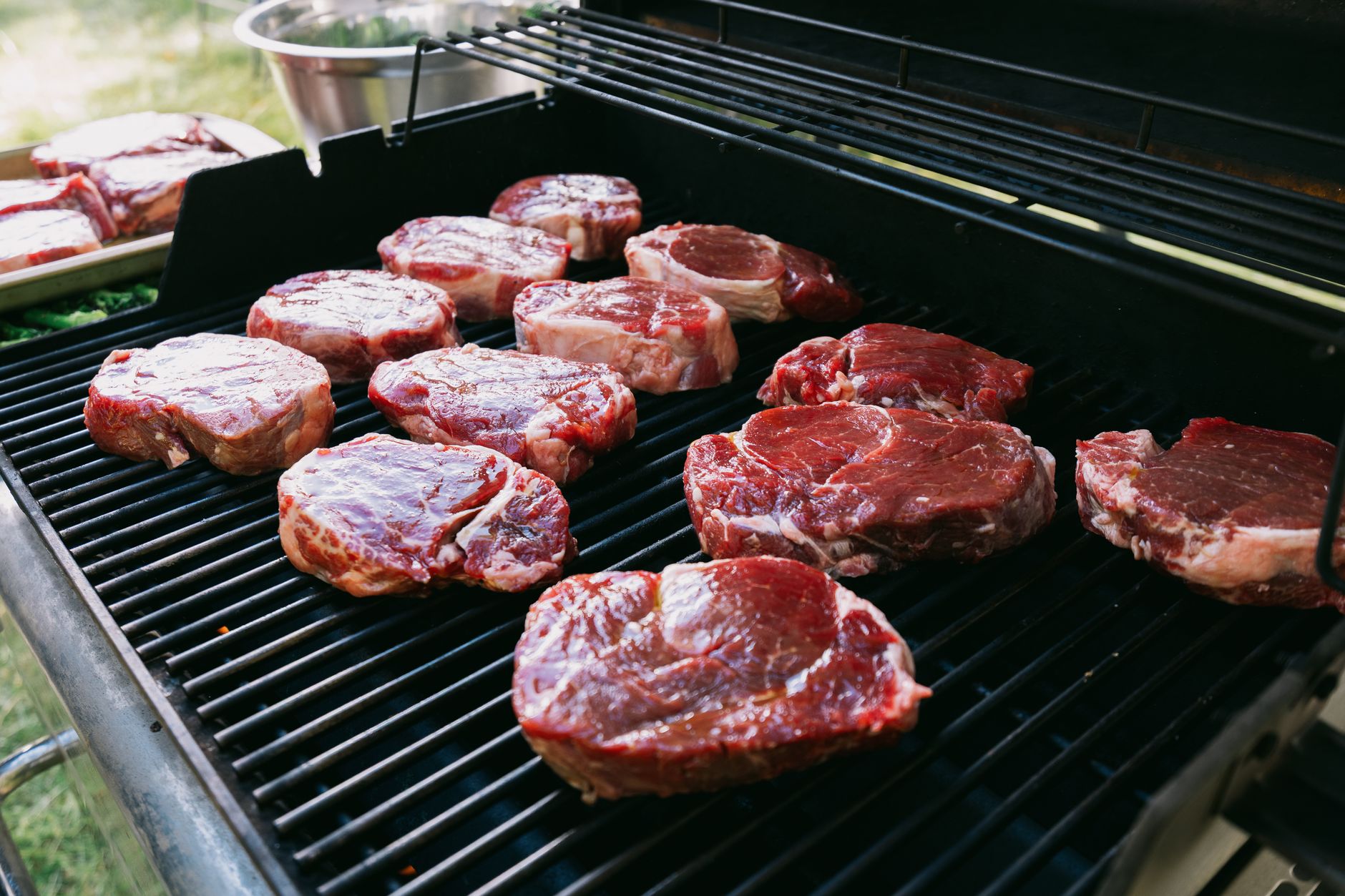
Bison, a revered meat of North America, has gained popularity for its unique flavor profile and health benefits. Understanding what bison tastes like can help you decide how to incorporate it into your meals. Whether you’re considering bison steaks, burgers, or roasts, exploring its taste and cooking methods will enhance your culinary experience.
This article delves into the taste of bison, its texture, and how it differs from more commonly consumed meats like beef. Additionally, we’ll explore cooking techniques, suitable pairings, and tips for successfully using bison in your kitchen.
What Does Bison Taste Like?
Bison has a distinct yet mild flavor that is often described as slightly sweeter and richer than beef. It possesses a unique combination of earthiness and depth without being overwhelmingly gamey. This flavor varies based on factors such as diet, age, and the specific cut of meat.
In terms of texture, bison is leaner than beef, which contributes to its tenderness when cooked properly. It has a fine grain that can be chewy if overcooked, so care must be taken to avoid drying it out. Overall, bison appeals to those looking for a flavorful yet healthier alternative to beef.
Comparing Bison to Other Meats
When comparing bison to beef, the key differences lie in fat content, flavor, and culinary uses. Here’s a quick breakdown:
- Fat Content: Bison typically has about 50% less fat than beef. This lower fat content gives it a leaner taste and makes it a healthier option, but it also means it can dry out more easily without careful cooking.
- Flavor: As mentioned, bison is sweeter and more subtly flavored than beef. This could be attributed to its grass-fed diet, which may impart more nuanced flavors compared to grain-fed beef.
- Culinary Uses: Bison can be used in many of the same applications as beef, though you should adjust cooking times and methods due to its lean nature.
Why Choose Bison?
Choosing bison over other meats has multiple benefits:
- Health Benefits: Bison is a rich source of protein, iron, and B vitamins, making it a nutritious addition to your diet.
- Sustainable Eating: Bison farming often involves more sustainable practices than traditional cattle farming, including pasture-based diets.
- Diverse Cooking: Its adaptability allows for a variety of cooking methods, from grilling and roasting to slow cooking and sautéing.
Cooking Techniques for Bison
Knowing how to properly cook bison is crucial to preserving its flavor and texture. Here are some popular methods:
Grilling
Grilling bison steaks is a fantastic way to enjoy its rich flavor. Since bison is lean, it’s best to cook it quickly over high heat.
- Preheat your grill to high heat.
- Season the bison steaks with salt and pepper, or your favorite marinade.
- Place the steaks on the grill and cook for 4-6 minutes per side for medium-rare, aiming for a temperature of around 135°F (57°C).
- Let the steaks rest for a few minutes before slicing to allow juices to redistribute.
Slow Cooking
For cuts like bison chuck or shank, slow cooking can enhance the flavor and tenderness. Here’s a step-by-step guide:
- Season the bison cut with salt, pepper, and any additional spices.
- Sear the meat in a hot pan to develop a crust.
- Transfer to a slow cooker, adding broth, vegetables, and herbs.
- Cook on low for 6-8 hours or until the meat is tender and shreds easily.
Stovetop Searing
Another popular method for thinly sliced bison meat, such as in stir-fries, is stovetop searing:
- Heat oil in a skillet over medium-high heat.
- Once hot, add thinly sliced bison and sear for 2-3 minutes, stirring occasionally.
- Cook until just browned, but be careful not to overcook.
Common Mistakes When Cooking Bison
Cooking bison requires attention to detail to avoid common pitfalls:
- Overcooking: Because it is lean, bison can easily become dry. Always use a meat thermometer and aim for medium-rare doneness.
- Using High Fat Cooking Methods: High-fat techniques like frying might overshadow the bison’s natural flavor. Stick to grilling, roasting, or slow cooking for the best results.
Flavor Pairings with Bison
Choosing the right flavor pairings can enhance the natural taste of bison. Here are some suggestions:
- Herbs: Fresh herbs like rosemary, thyme, and sage complement bison nicely.
- Spices: Try using bold spices such as smoked paprika, black pepper, and garlic powder to season bison dishes.
- Fruits: Fruits like blueberries and cranberries can add sweetness and acidity, balancing the rich flavors of the meat.
Recipes Featuring Bison
Incorporating bison into your meals can be straightforward and rewarding. Here are a couple of recipes to try:
Bison Burgers
Bison burgers are a delicious alternative to traditional beef burgers. Pair them with your favorite toppings for a satisfying meal.
- Ingredients:
- 1 lb bison ground meat
- 1 tsp garlic powder
- 1 tsp onion powder
- Salt and pepper to taste
- Burger buns and toppings of your choice (lettuce, tomato, cheese)
- In a mixing bowl, combine the ground bison with spices, and mix gently.
- Form patties and create a slight indentation in the center to ensure even cooking.
- Grill or pan-fry the patties for 4-5 minutes per side, or until they reach your preferred doneness.
- Assemble on buns with your favorite toppings and serve.
- Ingredients:
- 1 lb bison ground meat
- 1 can (15 oz) kidney beans, rinsed
- 1 can (15 oz) diced tomatoes
- 1 onion, diced
- 3 cloves garlic, minced
- 2 tbsp chili powder
- Salt and pepper to taste
- In a large pot, sauté the onion and garlic until translucent.
- Add the bison meat, and cook until browned.
- Stir in the beans, tomatoes, chili powder, salt, and pepper.
- Let simmer for 30-40 minutes, stirring occasionally.
- Refrigeration: Store raw bison in the refrigerator for up to two days. Cooked bison can be stored for up to four days.
- Freezing: For longer storage, raw or cooked bison can be frozen. Wrap tightly in plastic wrap and place in an airtight container or freezer bag. Frozen bison is best used within 6-12 months.
- Reheating: When reheating cooked bison, use a low temperature to slowly warm it up, ideally in an oven or skillet, to prevent dryness.
Spicy Bison Chili
This hearty chili is perfect for a filling meal.
Storage and Reheating of Bison
Proper storage and reheating techniques can help maintain bison’s quality:
Conclusion
Bison is a flavorful, nutritious alternative to beef, with a rich taste and versatile cooking applications. By understanding its distinct flavor profile and the best cooking techniques, you can create delicious meals that highlight the unique qualities of bison. With the right pairings and appropriate cooking methods, you can enjoy this remarkable meat in various forms.
Explore related recipes and cooking tips to further broaden your culinary repertoire. Check out our guides on budget cooking and meal-planning for practical ideas to optimize your shopping and meal prep.