
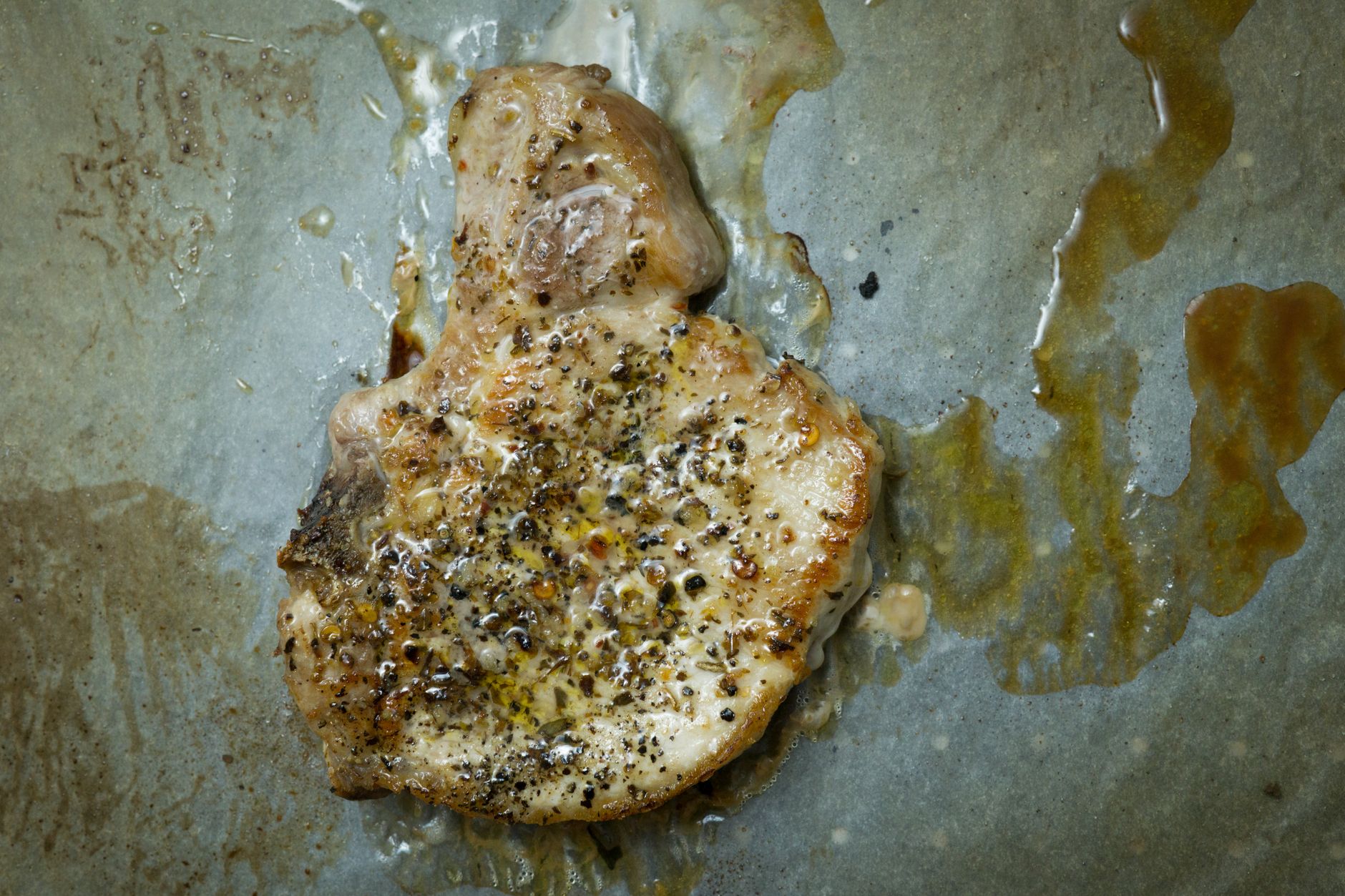
Pork is a popular protein choice around the world, enjoyed for its rich flavor and versatility in various culinary traditions. But when considering its nutritional benefits, many people wonder: does pork contain iron?
The answer is yes, pork does have iron, and understanding its iron content and different factors related to pork can help you make informed culinary choices. This article will delve into the types of iron in pork, the different cuts and their nutritional profiles, and how to incorporate pork into your diet to boost your iron intake.
What Type of Iron is Found in Pork?
Pork contains heme iron, which is derived from hemoglobin in animal tissues. Heme iron is more easily absorbed by the body compared to non-heme iron, which is primarily found in plant foods. This means that consuming pork can contribute significantly to your body’s iron requirements.
Iron Content in Different Cuts of Pork
The iron content of pork varies by the cut and preparation method. Below is a general overview of the iron content per 100 grams for various cuts of pork:
| Cut of Pork | Iron Content (mg) |
|---|---|
| Pork Tenderloin | 1.0 |
| Pork Chops | 1.1 |
| Pork Loin | 1.0 |
| Pork Shoulder | 1.2 |
| Bacon | 0.7 |
While the difference may seem minor, incorporating a variety of pork cuts can provide a practical way to include iron in your meals. The leaner cuts tend to have slightly lower fat content, making them a healthier option while still providing essential nutrients.
How Much Iron Do You Need?
The recommended dietary allowance (RDA) for iron varies by age and gender. Adult men typically require about 8 mg of iron daily, while adult women need 18 mg (due to menstruation). Pregnant women may need even more, approximately 27 mg per day.
Based on the iron content in pork, incorporating a decent portion of pork into your diet can help you meet these daily needs. For example, consuming a 100-gram serving of pork shoulder can provide approximately 1.2 mg of iron, which contributes to the overall intake.
Cooking Techniques for Maximizing Iron Absorption
Cooking methods can impact the nutritional profile of pork, including its iron content. To maximize iron absorption, consider the following techniques:
Marinating
Marinating pork in acidic ingredients—such as vinegar or citrus juice—can enhance iron absorption. The acidity can help break down antinutrients present in some foods that inhibit iron absorption.
Cooking Methods
- Grilling: A great way to enhance flavor while keeping the pork lean. Aim for medium heat to avoid charring, which can produce harmful compounds.
- Steaming: This method retains moisture and nutrients, making it a healthy option.
- Sautéing: Using a small amount of healthy oil can enhance flavor and nutrient absorption.
Pairing Pork with Iron-Friendly Foods
To enhance iron absorption, pair pork with foods rich in vitamin C and avoid calcium-rich foods during the same meal. Here are some pairing ideas:
- Vegetables: Bell peppers, broccoli, and Brussels sprouts are rich in vitamin C.
- Fruits: Fresh oranges, strawberries, and kiwi are excellent options to accompany pork dishes.
- Grains: Pair pork with quinoa or brown rice, which contain beneficial nutrients while offering a hearty base.
Tips for Cooking Pork
When preparing pork, there are essential tips that can enhance flavor and ensure food safety:
- Thawing: Always thaw frozen pork in the refrigerator, not at room temperature, to prevent bacterial growth.
- Internal Temperature: Cook pork to a minimum internal temperature of 145°F (63°C) as measured with a food thermometer. Let it rest for three minutes before slicing to ensure safety.
- Seasoning: Use herbs and spices like garlic, rosemary, and paprika to add flavor without excess salt.
Common Mistakes and Troubleshooting Cooking Pork
As with any cooking process, there are common mistakes to avoid when preparing pork that can affect the final outcome:
- Overcooking: Pork can become dry if overcooked, so using a meat thermometer is essential for accuracy.
- Not Resting: Allowing cooked pork to rest allows juices to redistribute, keeping the meat tender and flavorful.
Meal Planning with Pork for Iron Intake
Pork can be a versatile component in meal planning, making it easier to include iron-rich dishes throughout your week. Here are some meal-planning ideas:
Weekly Menu Ideas
- Monday: Grilled pork chops with quinoa and steamed broccoli.
- Tuesday: Pork stir-fry with bell peppers and brown rice.
- Wednesday: Slow-cooked pork shoulder with a citrus marinade served with a fresh salad.
- Thursday: Baked pork tenderloin with garlic and rosemary, accompanied by roasted Brussels sprouts.
- Friday: Tacos with seasoned ground pork, served with pineapple salsa for a vitamin C boost.
These meals can help ensure you meet your iron needs while enjoying delicious flavors and varied textures throughout your week. Using pork cuts in diverse cooking styles keeps meal excitement alive and health-conscious.
Exploring Pork Varieties Globally
Pork is featured prominently in many culinary traditions across the globe. Here are some notable international pork dishes:
- Lechon (Philippines): Whole roasted pig, known for its crispy skin and tender meat.
- Carne Asada (Mexico): Grilled pork often marinated with citrus and spices for tacos or burritos.
- Weiner Schnitzel (Austria): A breaded and fried pork cutlet that highlights the flavor of the meat.
Cooking with Pork Safely
Safety is key when handling pork. Follow these guidelines to prevent foodborne illnesses:
- Cross-Contamination: Use separate cutting boards for pork and other foods, and wash hands and surfaces regularly.
- Storage: Refrigerate or freeze pork within two hours of purchase. Cooked pork can be stored in the refrigerator for 3-4 days.
Storing Leftover Pork
If you have leftover pork, proper storage will keep it safe and tasty for future meals. Here’s how to store it:
- Allow cooked pork to cool to room temperature before refrigerating.
- Store in airtight containers or tightly wrapped in aluminum foil or plastic wrap.
- Freeze leftover pork if not consumed within 4 days; it can be stored in the freezer for up to 6 months.
Reheating Leftover Pork
When it comes to reheating leftover pork, these methods can help retain moisture and flavor:
- Microwave: Cover with a damp paper towel and heat in short intervals while checking for even heating.
- Oven: Wrap in foil to retain moisture and reheat at a low temperature (about 325°F or 165°C) until warmed through.
Considering these storage and reheating methods can make it convenient to plan ahead and enjoy your heart-healthy, iron-rich meals.
Pork offers a tasty and nutritious source of iron. By selecting suitable cuts, employing effective cooking techniques, and pairing with appropriate foods, you can make pork a valuable part of your diet. Consider incorporating pork into your meal planning to help meet your daily iron needs while enjoying diverse flavors from around the world.
Explore more engaging recipes and meal ideas, such as a pork marinade recipe or a delicious pork chop supreme recipe to enhance your culinary experience.