
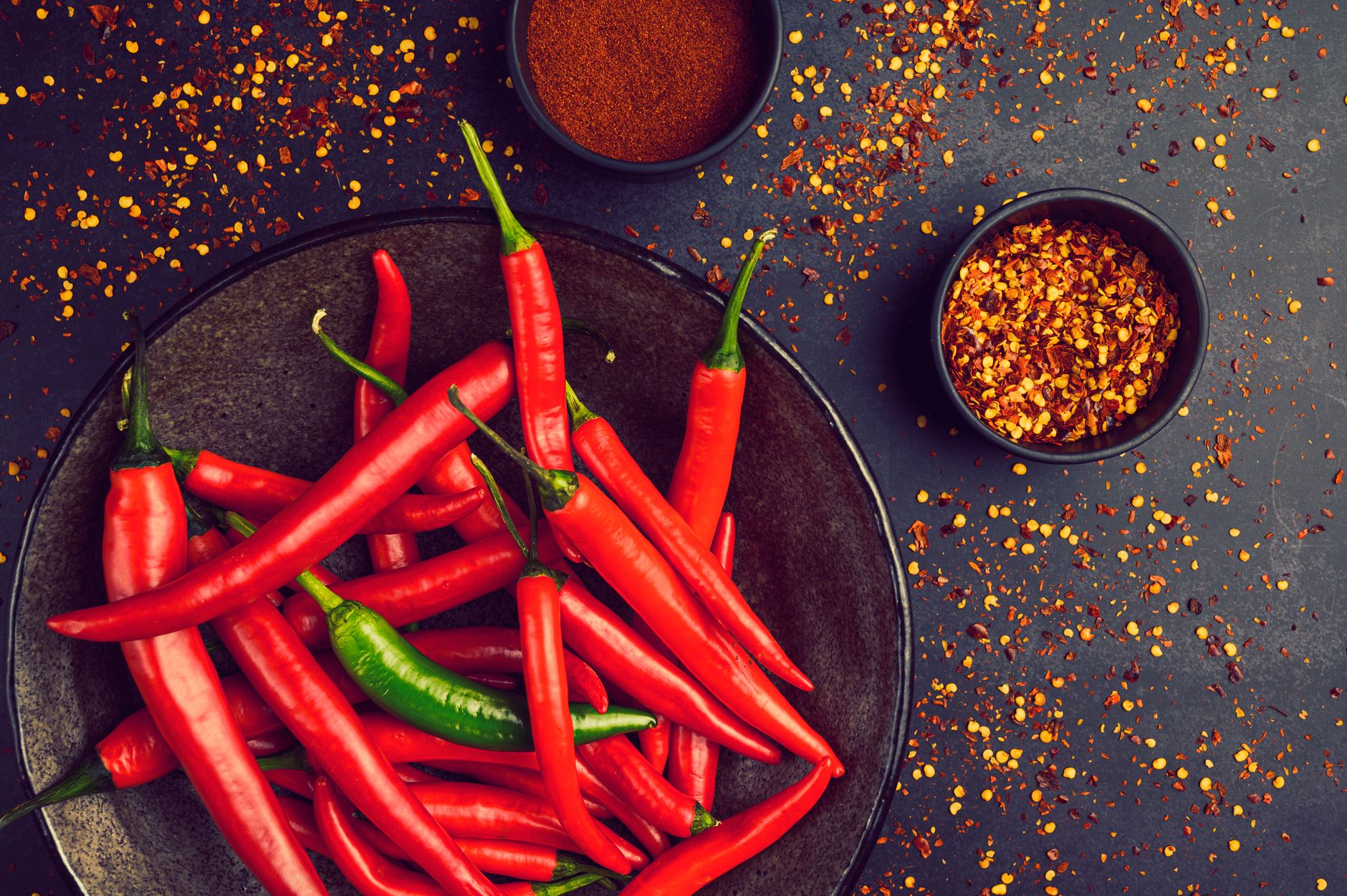
Aleppo pepper is a vibrant and aromatic spice commonly used in Middle Eastern and Mediterranean cuisines. Known for its moderate heat and distinctive flavor, it offers a unique versatility that enhances various dishes. This guide will explore what Aleppo pepper is, its culinary uses, and how to incorporate it into your cooking.
The spice originates from the Aleppo region in Syria, where it has been harvested for centuries. With its tangy and fruity notes, Aleppo pepper has gained popularity beyond its traditional roots. Let’s dive deeper into this remarkable spice and discover how to make the most of it in your kitchen.
What Is Aleppo Pepper?
Aleppo pepper, also known as “pul biber” in Turkish, is a type of chili pepper that is typically sun-dried and crushed into flakes. It is characterized by its dark red color and slightly coarse texture. The pepper’s flavor is a delightful combination of smokiness, fruitiness, and mild heat, making it an excellent addition to various dishes.
This pepper is often compared to crushed red pepper flakes but has a more nuanced taste, lacking the biting heat that some might find overwhelming. Generally rated at 10,000 to 30,000 Scoville heat units, Aleppo pepper is considered low to medium heat, making it approachable for many palates.
The Culinary Profile of Aleppo Pepper
Aleppo pepper is more than just a heat source; it brings a unique flavor profile to the table. Here are some key characteristics:
- Flavor: Fruity, slightly tangy, and smoky, with a rich depth that enhances a dish without overwhelming it.
- Aroma: It has a subtle, inviting fragrance reminiscent of sun-ripened chillies.
- Texture: Coarse flakes that may vary in size, which contribute to a grainy feel in dishes.
Uses in the Kitchen
Aleppo pepper can be used in a variety of ways to elevate your cooking. Here are some popular applications:
1. Seasoning
Due to its complex flavor, Aleppo pepper is an excellent seasoning for meats, poultry, and seafood. It complements spices such as cumin and coriander beautifully.
2. Marinades and Dressings
Incorporate Aleppo pepper into marinades for a subtle heat or mix it into salad dressings for depth. Its flavor pairs well with olive oil, vinegar, and yogurt, making it a versatile addition.
3. Soups and Stews
Add a sprinkle of Aleppo pepper to soups and stews to enhance their overall flavor. Its heat can round out rich broths perfectly without dominating the dish.
4. Roasted Vegetables
Roasting vegetables with Aleppo pepper is a wonderful way to bring out their natural sweetness. Toss them with olive oil and a pinch of the spice before roasting.
5. Garnish
Use Aleppo pepper as a finishing touch for dishes like hummus, labneh, or dips. It adds color and a pop of flavor that brightens the overall presentation.
Cooking with Aleppo Pepper: Tips and Techniques
Here are some essential tips to consider when cooking with Aleppo pepper:
- Start Small: Begin with a small amount to gauge heat levels, especially if you are not accustomed to it.
- Store Properly: Keep Aleppo pepper in an airtight container in a cool, dark place to maintain its potency and flavor.
- Combine with Other Spices: Aleppo pepper works well with other spices and herbs like garlic, cumin, and lemon zest, allowing for complex flavor profiles.
- Heat Applications: While it can withstand heat, adding Aleppo pepper towards the end of cooking helps retain its flavor.
How to Substitute Aleppo Pepper
If you can’t find Aleppo pepper in your local store, there are several substitutes you can consider:
- Crushed Red Pepper Flakes: Offers similar heat but lacks the fruity notes. Use about half the amount and adjust to taste.
- Paprika: Provides a smokeless flavor. Combine with a pinch of cayenne pepper for added heat.
- Cayenne Pepper: Much hotter than Aleppo pepper. Use sparingly and mix with a touch of sugar to mimic the sweetness.
Where to Buy Aleppo Pepper
Aleppo pepper can be found in most Middle Eastern grocery stores, specialty spice shops, or online. When purchasing, consider the following:
- Quality: Look for uniform flakes without any dark spots, indicating a higher quality of the spice.
- Origin: Authentic Aleppo pepper comes from Syria. Check labels and product descriptions for authenticity.
- Freshness: As with any spice, fresher spices yield better flavors. Opt for smaller quantities to ensure optimal quality.
Storing Aleppo Pepper
Proper storage is crucial to maintaining the flavor and potency of Aleppo pepper. Here are some guidelines:
- Container: Use airtight containers to prevent moisture and air from degrading the spice.
- Temperature: Store in a cool, dark place away from direct sunlight and heat sources.
- Duration: Aleppo pepper is best used within six months for maximum flavor, but it can last up to a year if stored correctly.
Aleppo Pepper in Regional Dishes
Aleppo pepper is a staple in many regional cuisines. Here’s how it’s used specifically:
Middle Eastern Cuisine
In Middle Eastern dishes, Aleppo pepper often appears in kebabs, dips, and roasted meat preparations. Its vibrant flavor complements the spices commonly used in this cuisine.
Mediterranean Cuisine
In Mediterranean cooking, Aleppo pepper enhances vegetable dishes, seafood, and sauces, adding depth to simple ingredients.
North African Cuisine
In North Africa, Aleppo pepper finds its way into tagines, couscous preparations, and various stews, where it amplifies the dish’s natural flavors.
Common Mistakes When Using Aleppo Pepper
Avoid these pitfalls to make the most of Aleppo pepper in your cooking:
- Using Too Much: Given its distinct flavor, overuse may overshadow other ingredients. Always start with a small amount.
- Ignoring Freshness: Stale Aleppo pepper can lead to a lackluster flavor. Ensure you are using fresh spices.
- Not Adjusting for Heat: Understand that while Aleppo pepper is milder, balancing heat with other spices is essential for a harmonious dish.
Exploring Aleppo Pepper Recipes
Now that you know the ins and outs of Aleppo pepper, you might be wondering how to incorporate it into your meals. Here are a few recipe ideas:
1. Aleppo Pepper Roasted Chickpeas
This easy recipe uses Aleppo pepper to create a flavorful snack or topping.
- Ingredients:
- 1 can (15 oz) chickpeas, drained and rinsed
- 2 tablespoons olive oil
- 1-2 teaspoons Aleppo pepper
- 1 teaspoon cumin
- Salt to taste
Instructions:
- Preheat your oven to 400°F (200°C).
- Toss chickpeas with olive oil, Aleppo pepper, cumin, and salt until well-coated.
- Spread the chickpeas on a baking sheet in a single layer.
- Roast for 20-30 minutes, shaking the pan halfway, until crispy.
2. Aleppo Pepper Yogurt Dip
This dip is perfect for entertaining and pairs wonderfully with vegetables and pita bread.
- Ingredients:
- 1 cup plain yogurt
- 1 tablespoon Aleppo pepper
- 1 tablespoon olive oil
- 1 clove garlic, minced
- Salt to taste
Instructions:
- In a bowl, mix yogurt, Aleppo pepper, olive oil, garlic, and salt until smooth.
- Serve with fresh vegetables or pita chips.
Final Thoughts on Aleppo Pepper
Aleppo pepper is a spice that brings a wonderful medley of flavors to your cooking. Its unique profile allows for endless creativity in the kitchen, making it an essential addition to your culinary toolkit.
Whether you’re seasoning your favorite dishes, crafting marinades, or experimenting with new recipes, Aleppo pepper can elevate your meals to new heights. By understanding how to use and store this spice properly, you can ensure its flavors shine in your cooking.
Explore your pantry and consider bringing a little heat and color into your meals with Aleppo pepper. It’s a versatile spice that promises to enhance not only the taste but also the visual appeal of your dishes.
If you’re interested in more cooking tips or recipes, explore related culinary guides that can further enrich your cooking repertoire.