
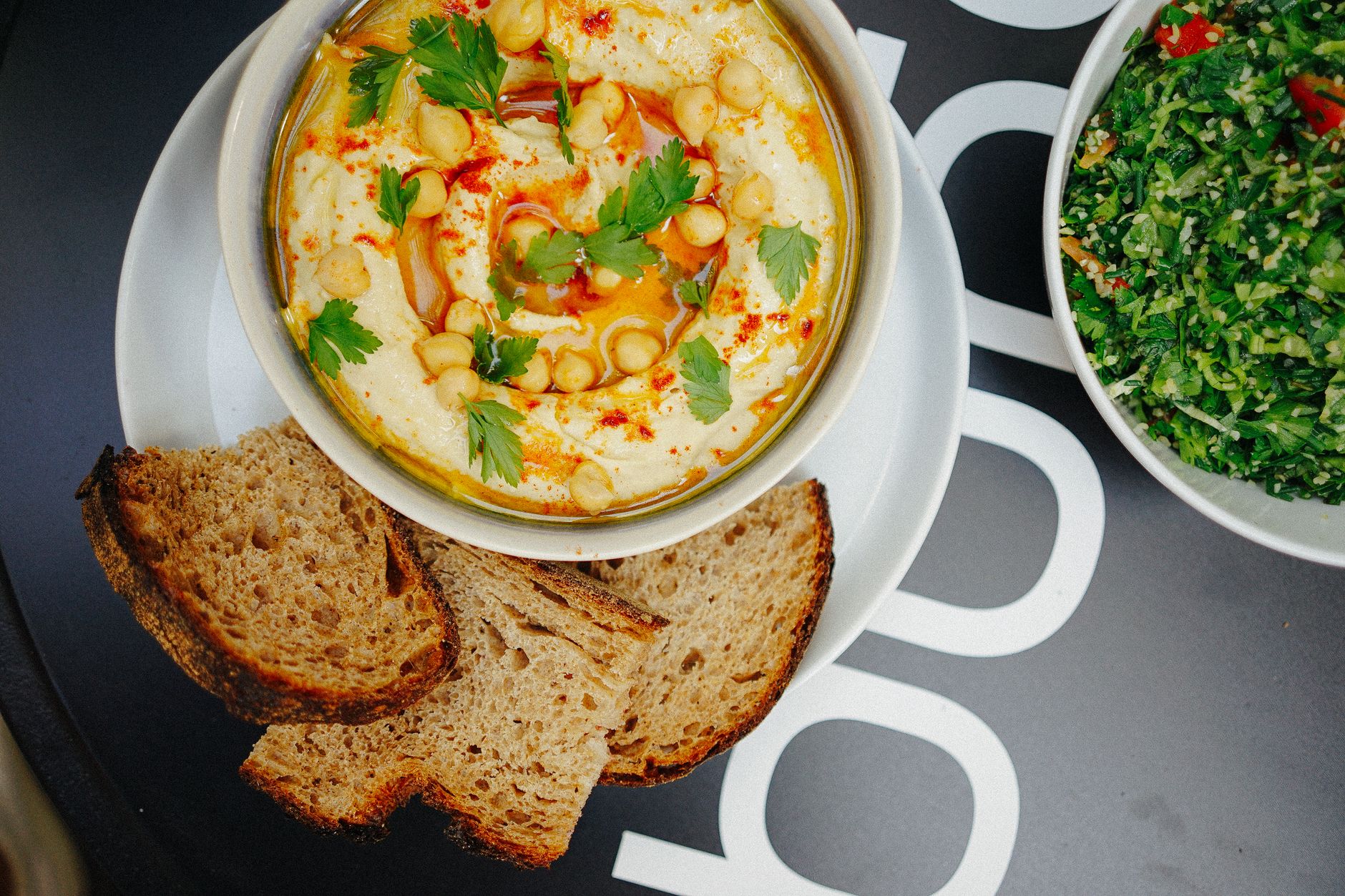
Hummus, a beloved Middle Eastern dip made primarily from chickpeas, has gained immense popularity for its creamy texture and delightful flavor. A common question that arises is whether hummus contains fiber, and if so, how much. Understanding the fiber content in hummus can assist in meal planning and nutritional choices, especially for those looking to increase their fiber intake.
This article delves into the fiber content of hummus, exploring its ingredients, health benefits, and practical tips on incorporating this nutritious dip into your diet.
Does Hummus Have Fiber?
Yes, hummus does contain fiber. The primary ingredient, chickpeas (or garbanzo beans), is a great source of dietary fiber. A typical serving of hummus, around 2 tablespoons (30 grams), can contain approximately 1 to 2 grams of fiber, depending on the specific recipe. Fiber is important for digestive health, weight management, and maintaining stable blood sugar levels.
Understanding Fiber: Types and Benefits
Before diving deeper into hummus, it’s vital to understand what fiber is and why it matters. Fiber is a type of carbohydrate that the body cannot digest, and it mainly comes in two forms: soluble and insoluble.
- Soluble Fiber: This type dissolves in water and forms a gel-like substance in the gut. It can help lower blood cholesterol and glucose levels. Foods high in soluble fiber include oats, apples, and beans.
- Insoluble Fiber: This type does not dissolve in water and adds bulk to the digestive system, helping to prevent constipation. It is commonly found in whole grains, nuts, and the skins of fruits and vegetables.
A diet rich in fiber comes with numerous health benefits, such as:
- Improved digestive health and regularity.
- Lower cholesterol levels.
- Better control of blood sugar levels.
- Enhanced feelings of fullness, aiding in weight management.
The Fiber Content in Hummus
The fiber content in hummus primarily comes from its main ingredient, chickpeas. Here’s a breakdown of how much fiber you can expect based on different serving sizes:
- 1 tablespoon (15 grams): Approximately 0.5 to 1 gram of fiber.
- 2 tablespoons (30 grams): Around 1 to 2 grams of fiber.
- 1/4 cup (60 grams): About 3 to 4 grams of fiber.
- 1/2 cup (120 grams): Roughly 6 to 8 grams of fiber.
Taking into account that a standard serving is around 2 tablespoons, you can see how incorporating hummus into your meals can contribute to your daily fiber intake. The recommended daily fiber intake is about 25 grams for women and 38 grams for men.
How Hummus Is Made: Ingredients and Their Roles
Hummus is traditionally made with a few simple ingredients, which not only contribute to its flavor but also its nutritional profile. A basic hummus recipe includes the following:
- Chickpeas (Garbanzo Beans): The primary ingredient providing most of the fiber and protein.
- Tahini: A paste made from ground sesame seeds, adding creaminess and healthy fats.
- Olive Oil: Rich in monounsaturated fats, enhancing flavor and texture.
- Garlic: Adds a distinctive flavor and has its own health properties.
- Lemon Juice: Provides acidity, brightening the flavors.
- Salt: Enhances overall taste.
Variations of hummus may include additional ingredients such as roasted red peppers, herbs, spices, or even beans other than chickpeas, which can affect the fiber content slightly.
Health Benefits of Hummus Beyond Fiber
While the fiber content is a notable benefit, hummus offers additional health advantages, making it a great addition to your diet:
- Rich in Nutrients: Hummus is high in vitamins and minerals like iron, magnesium, and folate.
- Plant-Based Protein: The combination of chickpeas and tahini provides a decent protein source, beneficial for vegetarians and vegans.
- Heart Health: The healthy fats from olive oil and tahini, along with fiber, contribute to cardiovascular health.
- Versatile and Convenient: Hummus can be enjoyed in various ways, from a spread on sandwiches to a dip for veggies or pita.
How to Incorporate Hummus into Your Diet
Including hummus in your meals can be both easy and enjoyable. Here are some practical ways to enjoy this nutritious dip:
As a Dip
Perhaps the most common way to enjoy hummus is as a dip. Pair it with:
- Sliced vegetables like carrots, cucumbers, bell peppers, and celery for a healthy snack.
- Pita bread or pita chips for a filling appetizer.
- Crackers or breadsticks to complement the creaminess of hummus.
In Sandwiches and Wraps
Spread hummus on whole grain bread or tortillas to provide moisture and flavor while boosting fiber content. Add leafy greens, cucumbers, or sliced turkey for added nutrition.
In Salads
Use hummus as a dressing alternative. Mix it with a bit of water or lemon juice to create a creamy dressing for salads. It adds flavor and a good amount of fiber.
In Cooking
Hummus can be utilized in various recipes beyond being a dip. Incorporate it into:
- Pasta dishes as a sauce, for a creamy texture with added nutrition.
- Soups for thickening and flavor enrichment.
- Grain bowls or buddha bowls, pairing it with quinoa, rice, and veggies.
As a Snack
Whether eaten straight from the container or paired with snacks, hummus serves as an excellent nutritious option for any time of day.
Common Mistakes When Making Hummus
- Not Soaking Chickpeas: If using dried chickpeas, remember to soak them overnight for better texture and digestibility.
- Over-processing: While blending, stop when the hummus is creamy but not completely smooth to retain a pleasant texture.
- Too Much Liquid: Adding too much olive oil or water can make hummus runny. Start with small amounts and adjust as needed.
- Under-seasoning: Hummus benefits from adequate seasoning. Always taste and adjust the salt and lemon juice before serving.
Storing Hummus: Tips for Freshness
Proper storage is key to maintaining the freshness and flavor of homemade or store-bought hummus. Consider the following tips:
- Store hummus in an airtight container to prevent it from drying out and absorbing fridge odors.
- Layer a thin film of olive oil on top of hummus before sealing for added freshness.
- Refrigerate immediately, and consume within 3 to 5 days for best flavor and quality.
- Hummus can be frozen for longer storage; however, the texture may change slightly upon thawing.
Conclusion
Hummus is not only a delicious and versatile food, but it also provides valuable fiber along with numerous health benefits. With its creamy texture and endless variations, it is easy to integrate hummus into various meals and snacks. Just be mindful of how you prepare, season, and store it to enjoy this nutritious dip to its fullest.
If you’re looking for ways to diversify your hummus experience, consider trying a hummus recipe without tahini or exploring other nutritious recipes such as chia pudding using coconut milk. Discover new culinary creations that suit your tastes.