
Gallbladder surgery, whether it’s a cholecystectomy or another procedure, can significantly affect what you can eat in the weeks after your operation. Following a surgical procedure, it is important to adjust your diet to support recovery and minimize any discomfort. This article will guide you through the types of foods you should include in your diet, how to approach meal planning, and what to avoid during your recovery period.
Understanding what you can eat after gallbladder surgery is crucial. The gallbladder plays an important role in digesting fats, and its removal means your body will need time to adapt. Here, we’ll cover the best foods to help your digestive system adjust post-surgery, along with helpful meal planning tips.
What Can You Eat After Gallbladder Surgery?
After gallbladder surgery, you can start with a diet focusing on low-fat, easily digestible foods. Since the gallbladder is no longer in the body to store bile, which helps in fat digestion, meals should be adjusted accordingly. Here are some general guidelines on what to include in your post-surgery diet:
1. Low-Fat Foods
It’s essential to limit your intake of fats, particularly saturated and trans fats. Focus on the following food items:
- Fruits: Apples, bananas, pears, berries, and melons.
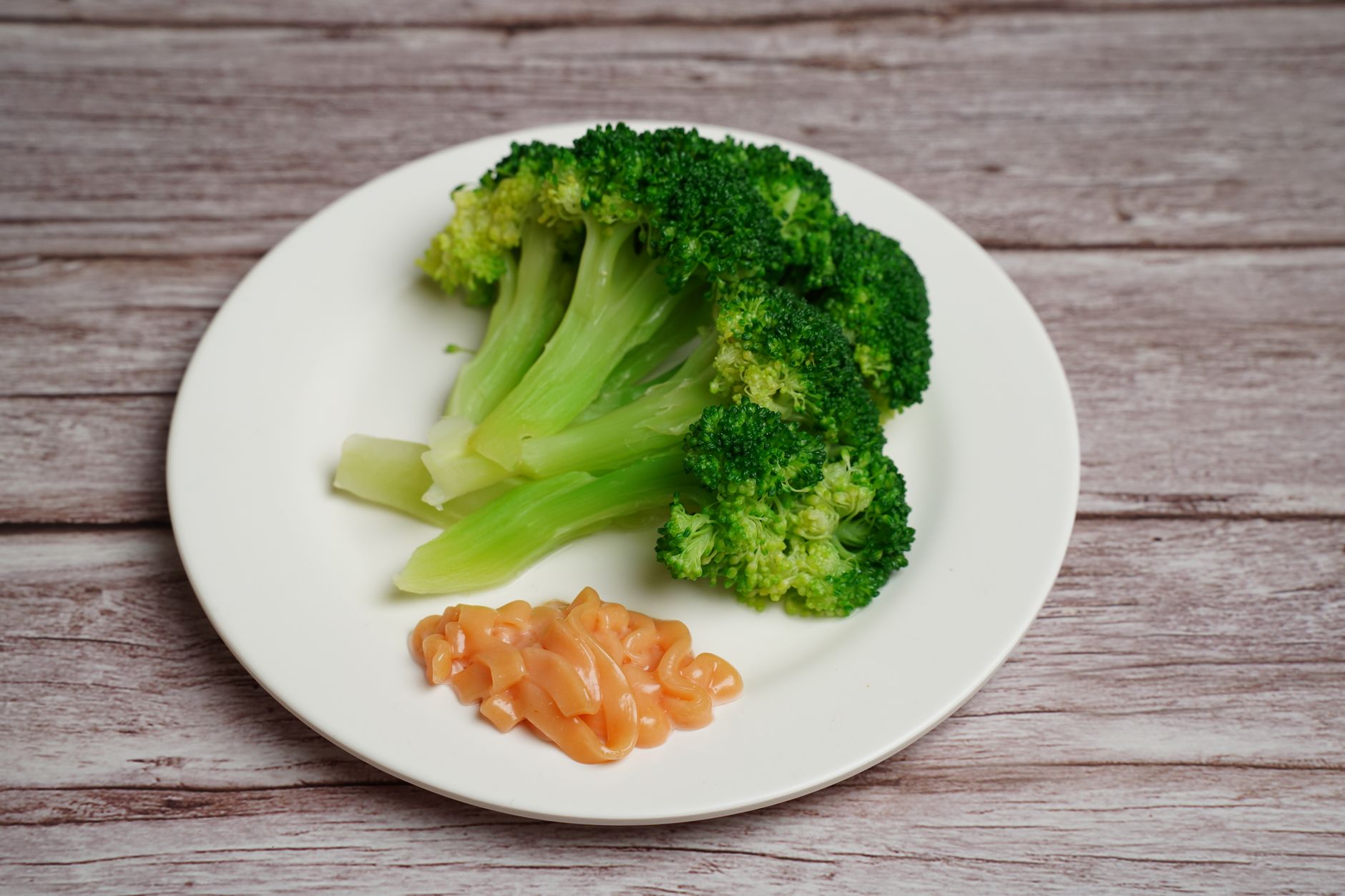
- Vegetables: Leafy greens, broccoli, carrots, and zucchini.
- Whole grains: Brown rice, quinoa, oats, and whole-wheat bread.
- Lean proteins: Chicken breast, turkey, fish, and legumes like lentils and beans.
- Dairy alternatives: Low-fat yogurt and skim milk, or plant-based options like almond or soy milk.
2. Hydration
Staying hydrated is important for recovery. Drink plenty of clear fluids:
- Water
- Herbal teas (avoid caffeine initially)
- Clear broth or stock
- Electrolyte-replenishing drinks but be cautious of sugar content
3. Gradual Introduction of Foods
Begin with a clear liquid diet and gradually introduce solid foods as tolerated. Start with bland foods and move towards more variety as your body adjusts:
- Applesauce
- Pureed vegetables and soups
- Toast or crackers
Foods to Avoid
While some foods are beneficial, others can be detrimental to your recovery. Here are some categories to avoid or limit:
- Fried or greasy foods: Fatty cuts of meat, fried fish, chips.
- High-fat dairy: Full-fat yogurt, cheese, and butter.
- Processed foods: Snacks, pastries, and fast food.
- Spicy foods: These can irritate your digestive system.
- Caffeine and Alcohol: These can exacerbate digestion issues post-surgery.
Meal Planning After Gallbladder Surgery
Planning your meals carefully can make the recovery process easier. Here are some tips to guide you:
1. Prepare in Advance
Consider preparing meals before surgery when possible. Cook and freeze low-fat dishes that align with your post-surgery dietary needs, making recovery easier.
2. Focus on Small, Frequent Meals
Eating smaller meals throughout the day can help your digestive system adjust. Aim for 5-6 smaller meals instead of three large ones.
3. Consider Meal Components
Include a balance of carbohydrates, proteins, and fats (in moderation) to ensure that your body receives adequate nutrition:
- Breakfast options: Oatmeal with berries, scrambled eggs with spinach, or smoothies with banana and almond milk.
- Lunch ideas: Quinoa salad with veggies, chicken breast with steamed broccoli, or lentil soup.
- Dinner suggestions: Baked fish with sweet potatoes and green beans or a stir-fry with lean proteins and brown rice.
4. Experimenting with Flavors
While you’re limited in terms of fat, you can still enjoy your meals. Use herbs and spices to add flavor without adding fat. Consider:
- Fresh herbs like parsley, cilantro, basil, and thyme.
- Spices such as turmeric, ginger, and garlic.
- Low-sodium broth as a cooking base.
Listening to Your Body
Pay close attention to how your body reacts to different foods during recovery. You may find that some foods that were previously easy to digest become troublesome. Keep a journal or notes on what you eat and how you feel afterward to help identify any negative reactions. Here are some strategies:
1. Keep a Food Diary
Documenting your meals and symptoms can highlight which foods work well and which do not.
2. Reintroduce Foods Slowly
When changing your diet or reintroducing foods, do so one at a time. This strategy can help pinpoint specific problem foods.
3. Consult with a Dietitian
If you’re unsure about your diet or experiencing persistent issues, consider reaching out to a registered dietitian. They can help tailor a dietary plan suitable for your recovery.
Sample Meal Plan for the First Week Post-Surgery
Here’s a simple guide to what a week of meals might look like as you recover from gallbladder surgery:
| Day | Breakfast | Lunch | Dinner |
|---|---|---|---|
| Monday | Oatmeal with sliced bananas | Vegetable soup with whole grain toast | Grilled chicken with steamed carrots |
| Tuesday | Greek yogurt with berries | Quinoa salad with cucumbers and tomatoes | Baked fish with mashed sweet potatoes |
| Wednesday | Smoothie with spinach, banana, and almond milk | Baked sweet potato with black beans | Lean turkey with steamed broccoli |
| Thursday | Whole grain toast with unsweetened almond butter | Lentil soup with a side salad | Stir-fried chicken with bell peppers and brown rice |
| Friday | Scrambled eggs with diced tomatoes | Veggie wrap with hummus | Baked salmon with asparagus |
| Saturday | Chia pudding made with coconut milk | Chicken noodle soup with whole grain crackers | Quinoa with steamed zucchini and fish |
| Sunday | Fruit salad | Stuffed bell peppers with quinoa and turkey | Vegetable stir-fry with brown rice |
Tips for Success in Your Recovery Diet
Here are additional strategies to help you through the dietary adjustments after gallbladder surgery:
1. Gradually Increase Fiber Intake
While fiber is generally beneficial, overloading on fiber-rich foods too soon can overwhelm your digestive system. Increase your intake gradually to avoid discomfort such as bloating or gas.
2. Incorporate Healthy Fats Sparingly
Once you’re feeling better, you may slowly start to include small amounts of healthy fats, such as:
- Avocados
- Olive oil
- Nuts and seeds
Moderation is key, as too much fat can still lead to discomfort.
3. Focus on Whole Foods
Stick to whole, minimally processed foods as much as possible. They are generally easier for your body to digest and can provide better nutrition overall.
Conclusion
Recovering from gallbladder surgery requires attention to your dietary choices. Focusing on a low-fat, balanced diet composed of whole foods can support your recovery and help your digestive system adapt to changes. By planning meals carefully, listening to your body, and consulting with a healthcare professional when needed, you can navigate the early days post-surgery with ease.
For delicious and nutritious options, check out our chia pudding recipe or learn more about what to eat after vomiting. These resources offer healthy recipes and meal ideas that are gentle on the digestive system.