
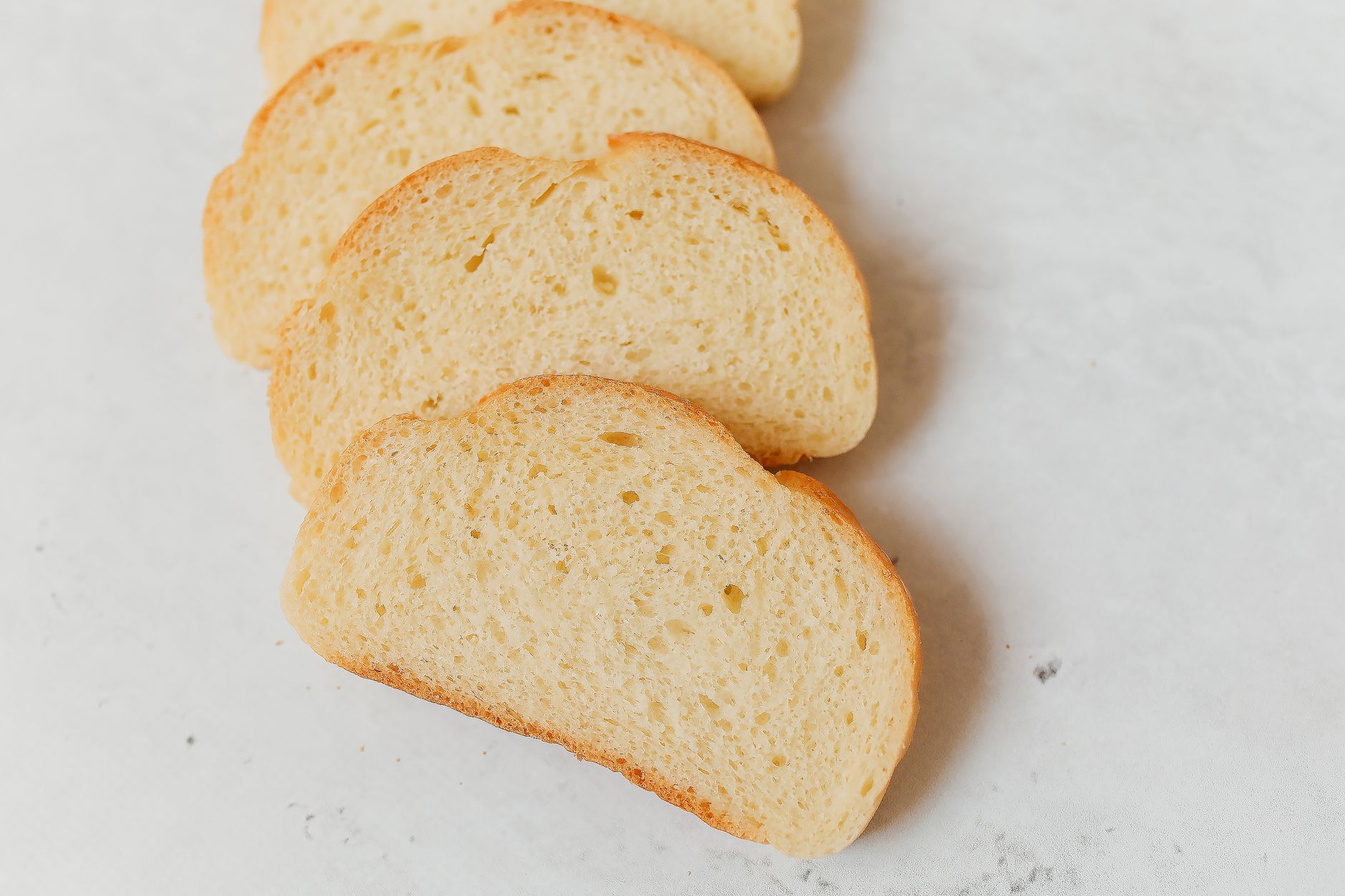
White bread often raises eyebrows when it comes to nutrition and health discussions. Many people wonder if this staple food is indeed harmful or if it’s merely misunderstood. With divergent opinions on dietary choices, it’s essential to explore the nutritional aspects of white bread, its ingredients, potential health effects, and suitable alternatives.
In this article, we will examine the composition of white bread, the controversy surrounding its consumption, the benefits and drawbacks, and practical tips for incorporating it into a balanced diet.
Is White Bread Bad For You?
White bread is often criticized for being less nutritious than whole grain options due to its processing and refined ingredients. However, its effects on health can vary based on individual dietary needs and overall consumption. It can be part of a balanced diet when eaten in moderation and combined with other nutrient-dense foods.
Understanding White Bread: Ingredients and Processing
To determine if white bread is bad for you, it’s important to understand what it is made of. White bread is typically made from refined wheat flour, water, yeast, and salt. Here’s a closer look at the main components:
- Refined Wheat Flour: The primary ingredient, refined flour, has been stripped of the bran and germ during processing, removing many vitamins, minerals, and fibers.
- Water: Essential for hydrating the flour and activating the yeast during the bread-making process.
- Yeast: A microorganism used to help the bread rise and develop its texture.
- Salt: Enhances flavor and helps control yeast activity.
Some commercial white breads may also contain additives like preservatives, dough conditioners, and sweeteners to improve texture and shelf life. These additives can vary significantly depending on the brand.
The Nutritional Profile of White Bread
White bread is predominantly composed of carbohydrates, which provide energy. However, its nutritional profile is not as robust as that of whole grain bread. Here’s what you can generally expect in a standard slice of white bread (approximately 28 grams):
- Calories: 70-80
- Carbohydrates: 13-15 grams
- Protein: 2-3 grams
- Fat: 0.5-1 gram
- Fiber: 0.5-1 gram
- Sugars: 1-2 grams
As you can see, white bread lacks fiber significantly compared to whole grain options, which often contain 3-5 grams of fiber per slice. This loss of fiber has implications for digestion, satiety, and overall health.
Health Implications of Consuming White Bread
Blood Sugar Levels
One of the main concerns with white bread is its high glycemic index (GI). Foods with a high GI can cause spikes in blood sugar levels. This can lead to feelings of hunger shortly after eating and is particularly concerning for individuals with diabetes or insulin resistance.
Nutritional Deficiencies
Since white bread is low in vitamins and minerals, a diet high in white bread at the expense of whole grains may contribute to nutritional deficiencies over time. Nutrients typically lost during processing include B vitamins, iron, and fiber. This can have long-term health consequences if not addressed with other dietary sources.
Weight Management
White bread’s lack of fiber can affect your feeling of fullness after meals. Studies suggest that high-fiber foods tend to keep you filled for longer periods, consequently helping with weight management. White bread may not provide the same satiety, potentially leading to overeating.
Digestive Health
Fiber is key for a healthy digestive system. A diet lacking in fiber may lead to inadequate fiber intake, resulting in digestive issues such as constipation. Whole-grain alternatives offer the benefit of natural fibers that aid digestion.
Potential Benefits of White Bread
While there are concerns regarding white bread, there are some potential benefits when consumed in moderation:
Convenience and Versatility
White bread is widely available and can be used in various recipes, from sandwiches to French toast. Its mild flavor can pair well with many fillings and toppings.
Fortification
Some brands of white bread are enriched with vitamins and minerals, such as B vitamins and iron, to help offset some of the nutritional losses that occur during processing. Always check the packaging for fortification details.
Lower Cost
Generally, white bread is more affordable compared to whole grain varieties. This can be a significant factor for individuals or families on a tight budget.
Alternatives to White Bread
For those looking to cut back on white bread without sacrificing high-quality carbohydrates, several alternatives exist:
- Whole Grain Bread: Made from whole wheat flour, it retains all parts of the grain, providing more fiber, vitamins, and minerals.
- Sprouted Grain Bread: Contains whole grains that have been allowed to sprout, making them easier to digest and often richer in nutrients.
- Rye Bread: A denser bread with a distinct flavor, rye bread can offer more fiber and fewer calories per slice.
- Gluten-Free Options: For individuals with gluten sensitivities, gluten-free breads made from alternative flours (like almond, coconut, or rice flour) are available.
Making Healthier Choices
If you enjoy white bread, consider the following tips to incorporate it more healthfully into your diet:
- Pair white bread with protein or healthy fats, such as peanut butter or avocado, to help stabilize blood sugar levels.
- Select brands that are enriched with vitamins and minerals for an added nutritional boost.
- Monitor portion sizes. One or two slices in a meal can be perfectly acceptable when combined with other nutrient-dense foods.
Cooking and Baking with White Bread
If you’re inclined toward cooking and baking, white bread can also be used creatively in the kitchen. Here are a few practical ideas:
Breadcrumbs
White bread can be transformed into breadcrumbs, which are useful for coating meats or adding crunch to dishes like casseroles. To make breadcrumbs:
- Toast slices of white bread until crispy.
- Allow to cool, then pulse in a food processor until finely ground.
- Store in an airtight container in a cool, dry place or freeze for extended freshness.
French Toast
White bread lends itself well to making French toast due to its soft texture. Here’s a simple recipe:
Ingredients
- 4 slices of white bread
- 2 eggs
- 1/2 cup milk
- 1/2 teaspoon vanilla extract
- Salt to taste
- Butter for cooking
- Optional toppings: maple syrup, fresh fruit, powdered sugar
Instructions
- In a mixing bowl, whisk together eggs, milk, vanilla extract, and salt.
- Preheat a skillet over medium heat and add butter.
- Dip each slice of bread into the egg mixture, ensuring both sides are coated.
- Place the bread in the skillet and cook for 2-3 minutes on each side, or until golden brown.
- Serve with your favorite toppings.
Common Misconceptions About White Bread
There are many misconceptions about white bread that need to be addressed:
Myth: All Bread is Bad for You
Not all bread is created equal. While white bread may lack some nutrients, whole grain and specialty breads can be excellent sources of fiber and other nutrients.
Myth: White Bread Causes Weight Gain
Weight gain is primarily a result of excessive calorie consumption, irrespective of the food’s type. Moderation and overall dietary balance are crucial.
Meal Planning with White Bread
When planning meals that include white bread, consider balanced and nutritious combinations. Here are a few meal ideas:
- Breakfast: Whole grain toast topped with avocado and scrambled eggs.
- Lunch: Turkey and cheese sandwich on white bread with a side salad.
- Dinner: Casserole topped with homemade white bread crumbs for crunch.
These combinations help ensure you’re receiving nutrients from various food groups while enjoying white bread.
Storage Suggestions for White Bread
To maintain the freshness of white bread:
- Store unopened bread in a cool, dry place to minimize exposure to humidity.
- Once opened, keep bread in a breadbox or sealed plastic bag.
- For longer storage, consider freezing slices and toasting them directly from the freezer.
Conclusion
White bread can be a part of a healthy diet when consumed mindfully. Understanding its nutritional profile, health implications, and practical uses allows individuals to make informed decisions about their bread choices. Moderation and balance are key.
Consider exploring related recipes or guides, such as whether bread is good for you or the difference between bleached and unbleached flour to enhance your knowledge of bread and its role in the diet.