
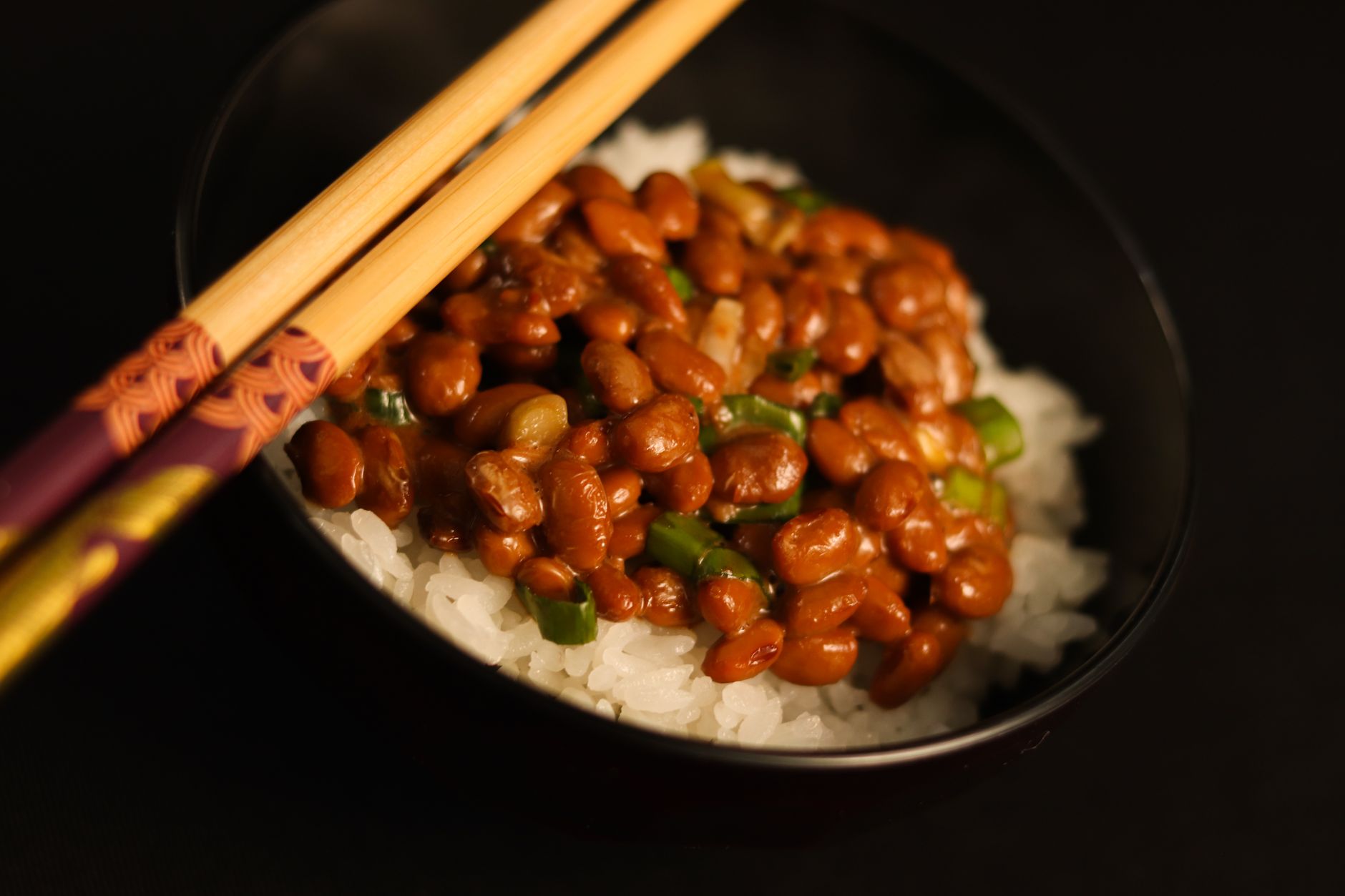
Black beans, also known as frijoles negros, are a staple in many cuisines around the world, particularly in Latin American dishes. They are not only flavorful but also packed with nutrients, including protein, making them an excellent choice for vegetarians and anyone seeking to increase their protein intake.
This article will delve into the protein content of black beans, their overall nutritional profile, various cooking methods, and ideas for incorporating them into your meals.
How Much Protein Is in Black Beans?
Black beans are an excellent source of protein, containing approximately 15.2 grams of protein per cooked cup (about 172 grams). This makes them particularly appealing for those looking to boost their dietary protein, especially in plant-based diets.
To put this into perspective, this protein content is comparable to that of meat, making black beans a versatile protein source for a variety of diets. In addition to protein, they are rich in fiber, vitamins, and minerals.
Nutritional Profile of Black Beans
Understanding the full nutritional value of black beans can help you appreciate their role in a balanced diet. Here is a detailed look at the nutritional profile of one cup of cooked black beans:
| Nutrient | Amount per 1 cup (cooked) |
|---|---|
| Calories | 227 |
| Protein | 15.2 g |
| Carbohydrates | 40.3 g |
| Fiber | 13.7 g |
| Fat | 0.9 g |
| Iron | 3.6 mg |
| Magnesium | 60 mg |
| Folate | 256 mcg |
Aside from protein, black beans provide a significant amount of dietary fiber, which aids digestion and helps maintain a healthy weight. They also contain essential vitamins and minerals that contribute to overall health.
Health Benefits of Black Beans
Incorporating black beans into your diet can offer several health benefits, including:
- Supports Heart Health: The fiber and antioxidants found in black beans can help lower cholesterol levels, potentially reducing the risk of heart disease.
- Regulates Blood Sugar Levels: The slow-digesting carbohydrates and high fiber content can help stabilize blood sugar levels, making them an ideal food for those with diabetes.
- Aids in Digestion: Fiber helps promote regular bowel movements and prevent constipation.
- Weight Management: The protein and fiber in black beans contribute to a feeling of fullness, which can help control appetite and reduce overeating.
Cooking Methods for Black Beans
Black beans can be prepared in various ways, each resulting in different flavors and textures. Below are some common cooking methods:
1. Boiling
Boiling is the most common method and is often used for dried black beans. Here’s how to do it:
- Soak the Beans: Rinse the beans in water, then soak them overnight in a pot covered with water. Rinsing helps remove any debris, while soaking reduces cooking time and improves digestibility.
- Boil: Drain and rinse the soaked beans, then place them in a pot with fresh water. Use about three cups of water for every cup of beans.
- Cooking Time: Bring to a boil, reduce heat to low, and simmer for about 1 to 1.5 hours, or until the beans are tender.
2. Pressure Cooking
Using a pressure cooker significantly reduces cooking time:
- Prepare as Above: Soak the beans overnight and rinse them.
- Add to Pressure Cooker: Place the drained beans in the pressure cooker with 2 cups of water per cup of beans.
- Cook: Lock the lid, set to high pressure, and cook for about 20-30 minutes. Allow the pressure to release naturally for better texture.
3. Slow Cooking
Slow cooking achieves a rich flavor with less active cooking time:
- Prep Beans: Rinse and soak them, just as with boiling.
- Combine Ingredients: Add the soaked beans to a slow cooker and cover with water. You can add spices, garlic, and onion for flavor at this stage.
- Cook: Set the slow cooker on low for 6-8 hours or high for 3-4 hours until beans are tender.
Ways to Incorporate Black Beans into Your Meals
Black beans are versatile and can be included in various dishes to enhance flavor and nutrition. Here are some ideas:
1. Salads
Mix cooked black beans with fresh vegetables, herbs, and a light vinaigrette for a refreshing salad. They add protein and make your salad heartier.
2. Tacos and Burritos
Use black beans as a filling for tacos, burritos, or quesadillas. Combine them with fresh salsa, avocado, and cheese for a satisfying meal.
3. Soups and Stews
Add black beans to soups and stews for an extra layer of flavor and protein. They complement spicy flavors well and can thicken up broth.
4. Smoothies
It may sound unusual, but black beans can be blended into smoothies for added protein and creaminess. Just be sure to balance the flavors with fruits and a sweetener.
Substitutions for Black Beans
If you need to substitute black beans in a recipe or are looking to try different flavors, consider the following alternatives:
- Pinto Beans: Similarly flavored and often used in Mexican cuisine. They provide the same protein content and texture.
- Kidney Beans: Slightly firmer and more robust in flavor, they can be used in soups and chili.
- Chickpeas: While different in taste, chickpeas offer similar protein content and can be used in salads and stews.
Common Mistakes When Cooking Black Beans
While cooking black beans may seem straightforward, there are a few common pitfalls:
- Not Rinsing: Skipping the rinse can result in gritty beans with residual debris. Always rinse before cooking.
- Overcooking: Cooking beans for too long can lead to mushy texture. Keep an eye on them, and test for doneness.
- Salt Too Early: Adding salt at the beginning of cooking can make beans tough. It’s better to add salt towards the end of cooking.
Storage and Reheating of Black Beans
Black beans can be stored easily and enjoyed later. Here are some tips:
Storage
Cooked black beans can be stored in an airtight container in the refrigerator for 3-5 days. Alternatively, they can be frozen for up to six months. Ensure they are cooled completely before freezing to maintain texture.
Reheating
When reheating, add a splash of water or broth to prevent drying. You can reheat in the microwave, on the stovetop, or in the oven until heated through.
Final Thoughts
Black beans are a nutritious powerhouse, offering a significant amount of protein, dietary fiber, and essential nutrients. Their versatility in cooking makes them an easy inclusion in many dishes.
Whether you choose to prepare them in bowls, salads, or stews, incorporating black beans into your diet can enhance your meals with flavor and nutrition. Try experimenting with different cooking methods and recipes to enjoy the benefits of these beans.
For delicious ways to use black beans, check out our recipes for refried black beans and discover how to make protein granola for a nutritious snack!