
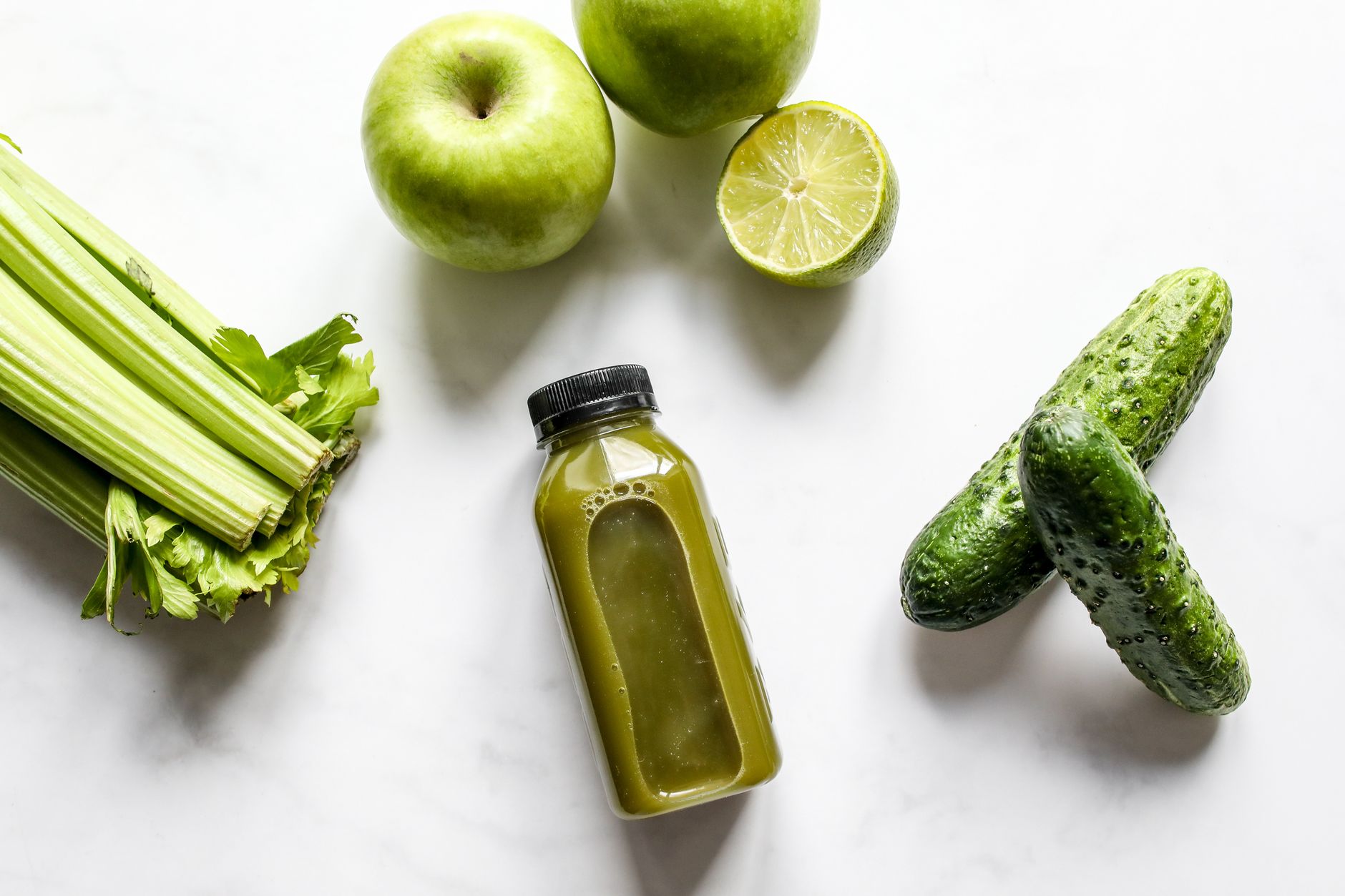
Celery juice has surged in popularity in recent years, often touted as a miracle drink with numerous health benefits. This vibrant green beverage is made by extracting the liquid from fresh celery stalks, and many fans swear by its alkalizing effects, detoxification properties, and digestive support. But is celery juice really good for you?
In this article, we will explore the nutritional profile of celery juice, examine health claims, address potential drawbacks, and provide practical tips for incorporating this green juice into your diet.
Is Celery Juice Good For You?
Yes, celery juice can be good for you when consumed in moderation as part of a balanced diet. It offers various vitamins and minerals while being low in calories. However, it is important to understand that it should not replace whole vegetables, as it may lack fiber and other nutrients.
Nutritional Profile of Celery Juice
To fully understand the potential benefits of celery juice, we must look at its nutritional profile. Typically, an 8-ounce serving of celery juice contains:
- Calories: 40
- Carbohydrates: 10 grams
- Protein: 2 grams
- Fat: 0.5 grams
- Fiber: 1.5 grams (though much is lost in juicing)
- Vitamin K: 30% of the Daily Value (DV)
- Vitamin C: 15% of the DV
- Potassium: 10% of the DV
- Folate: 6% of the DV
- Calcium: 4% of the DV
Celery juice also contains antioxidants and phytonutrients that can help fight inflammation and oxidative stress in the body. Additionally, due to its high water content, celery juice is an excellent hydrating drink.
Potential Health Benefits of Celery Juice
Advocates suggest several health benefits associated with celery juice. Here’s a look at some of the most commonly cited claims:
1. Hydration
Celery juice is approximately 95% water, making it an effective way to stay hydrated. Consuming it can contribute to your daily fluid intake, which is essential for overall health.
2. Nutrient-Rich
As mentioned previously, celery juice contains a variety of vitamins and minerals that are beneficial for bodily functions, such as bone health, immune function, and overall vitality.
3. Anti-Inflammatory Properties
Celery contains compounds known as flavonoids that possess anti-inflammatory properties. Regular consumption may help alleviate chronic inflammation, which is linked to various diseases.
4. Improved Digestion
Some claim that celery juice may help with digestive issues by stimulating the production of gastric juices, promoting healthy digestion. However, remember that juicing removes a significant amount of fiber, which is critical for digestive health.
5. Weight Management
Because it’s low in calories and high in water, celery juice is often included in weight loss regimens. The drink can serve as a filling beverage without excessive caloric intake.
6. Heart Health
Celery is a source of potassium, which plays a crucial role in heart health. It can help regulate blood pressure and reduce the risk of cardiovascular diseases.
Are There Any Drawbacks?
While celery juice boasts several potential benefits, there are some drawbacks to consider:
1. Low Fiber Content
Juicing celery removes most of its dietary fiber, essential for digestive health. Whole celery stalks are a better choice if you’re looking to boost your fiber intake.
2. High Sodium Levels
Celery is relatively high in sodium compared to other vegetables. An 8-ounce serving can contain around 165 mg of sodium, which may be a concern for individuals on sodium-restricted diets.
3. Allergies and Interactions
Individuals with allergies to celery or related plants (like carrots or celeriac) should avoid celery juice. Additionally, celery can interact with certain medications, such as blood thinners, so consult your healthcare provider if you are on medication.
Incorporating Celery Juice into Your Diet
If you are interested in adding celery juice to your routine, here are some practical tips:
1. Make Your Own Celery Juice
Freshly made celery juice is the best option, as store-bought varieties often contain added sugars and preservatives. Here’s how to make it:
Ingredients
- 1 bunch of fresh, organic celery
Equipment
- Juicer or blender
- Fine mesh strainer (if using a blender)
Method
- Wash the celery thoroughly to remove any dirt or debris.
- Cut the celery into smaller pieces to fit into your juicer or blender.
- If using a juicer, feed the celery through the juicer according to the manufacturer’s instructions.
- If using a blender, blend the celery until smooth, then pour it through a fine mesh strainer to separate the juice from the pulp.
- Serve chilled or over ice for maximum refreshment.
2. Experiment with Combinations
Celery juice can serve as a base for other nutritious juices. Consider blending it with:
- Cucumber for added hydration
- Lemon or lime for a citrusy kick
- Ginger for an anti-inflammatory boost
- Apples for a touch of sweetness
3. Timing and Serving Suggestions
To maximize its benefits, consider drinking celery juice on an empty stomach in the morning. This can help kickstart your metabolism for the day ahead. Pair your juice with a balanced breakfast that includes protein and healthy fats to maintain energy levels.
Common Mistakes to Avoid
Here are some tips to maximize the benefits of celery juice and avoid common pitfalls:
1. Overconsumption
Drinking excessive amounts of celery juice can lead to elevated sodium intake. Stick to one to two servings per day.
2. Relying Solely on Celery Juice
While celery juice has benefits, it should not replace whole vegetables in your diet. Aim to consume a variety of whole fruits and vegetables for a balanced nutrient intake.
3. Not Prepping Celery Properly
Make sure to wash your celery thoroughly to remove any pesticides or dirt. Opt for organic celery when possible to minimize exposure to harmful chemicals.
Storage and Preservation
Freshly made celery juice is best consumed immediately for optimal nutrient retention. However, if you need to store it, consider these tips:
1. Refrigeration
Store celery juice in an airtight container and refrigerate it for no longer than 24-48 hours. Keep it away from light, as exposure can degrade nutrients.
2. Freezing
You can freeze celery juice in ice cube trays for easy portion control. Once frozen, store the cubes in a sealed bag or container. Use within three months for the best flavor and nutrient content.
What Do Experts Say?
While many proponents advocate for celery juice, it is essential to consider the broader picture of nutrition. Registered dietitians and nutritionists often recommend focusing on a balanced diet rich in whole foods rather than relying heavily on juice for health benefits.
Potentially, celery juice can be a refreshing addition to your diet, but moderation is key. Whole vegetables provide fiber and many other essential nutrients that the juicing process removes.
Final Thoughts
Celery juice can certainly be a healthy choice when combined with a balanced diet rich in whole foods. It provides essential nutrients and hydration while being low in calories. However, it’s important to not overlook the benefits of consuming whole celery and other vegetables, as they contribute fiber and a fuller nutrient profile.
To optimize health benefits, consider using celery juice as part of a diverse diet. This way, you will enjoy its refreshing taste while reaping the rewards of various nutrients from a broad spectrum of foods.
For a smoothie that includes chia seeds, check out our chia pudding recipe. You may also find our guide on the benefits of chia seeds helpful for further enhancing your nutrition.