
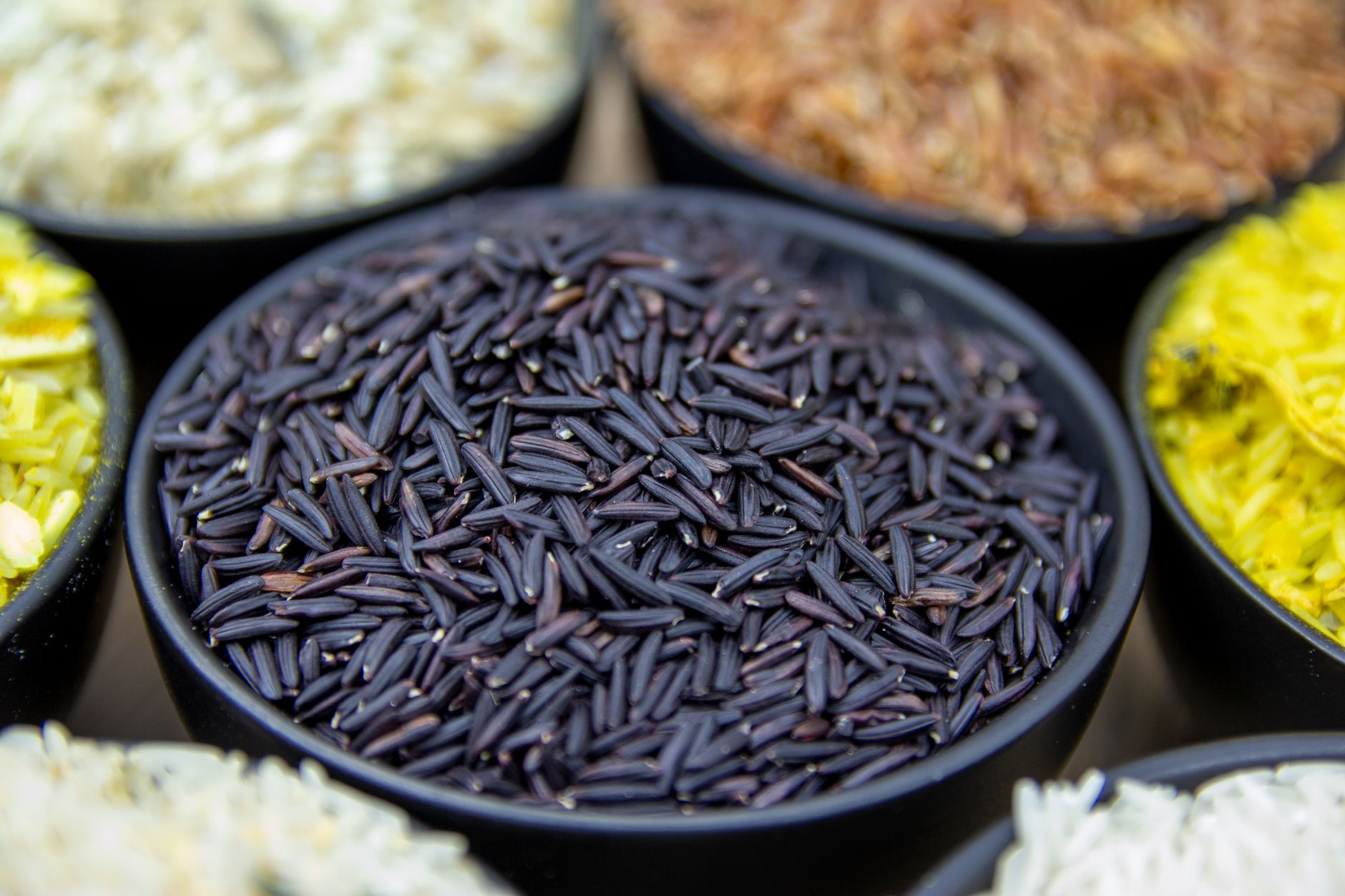
Black rice, often referred to as forbidden rice or emperor’s rice, is an ancient grain prized for its deep color and unique nutritional profile. Originating in Asia, this rice variety was historically reserved for royalty due to its rarity and health benefits. Today, black rice is gaining popularity in various cuisines worldwide, making it more accessible for everyday cooking.
With a nutty flavor, chewy texture, and striking purple hue when cooked, black rice adds both visual appeal and culinary interest to a wide range of dishes. Whether you are looking to incorporate it into salads, bowls, or desserts, understanding more about black rice will help enhance your cooking repertoire.
What Is Black Rice?
Black rice is a whole grain that belongs to the Oryza sativa family. It is rich in anthocyanins, the same antioxidants found in blueberries and blackberries, which contribute to its distinctive color. Black rice is often perceived as a healthier alternative to white rice, offering more fiber, protein, and essential minerals, making it an excellent choice for those seeking a nutritious grain.
Nutritional Benefits of Black Rice
Black rice carries several health benefits due to its dense nutritional profile. Here are some important aspects:
- High in Antioxidants: The black color is a strong indication of high levels of antioxidants, which help combat oxidative stress and may reduce inflammation.
- Rich in Fiber: Black rice contains a significant amount of dietary fiber, supporting digestive health and keeping you feeling full longer.
- Good Source of Nutrients: It is rich in iron, folate, and vitamins A and E, which are essential for overall health.
- Low Glycemic Index: Black rice has a lower glycemic index compared to white rice, making it favorable for blood sugar management.
How to Cook Black Rice
Cooking black rice is quite straightforward, though it requires slightly longer cooking times than white rice. Here’s a simple method for preparing it:
Ingredients Needed
- 1 cup black rice
- 2 cups water or broth
- Pinch of salt (optional)
Essential Equipment
- Medium-sized saucepan with a lid
- Measuring cups
- Colander (if rinsing rice)
Step-by-Step Cooking Method
- Rinse the black rice under cold running water using a colander. This removes any impurities and excess starch.
- In a medium saucepan, combine the rinsed black rice and 2 cups of water or broth. Add a pinch of salt if desired.
- Bring the mixture to a boil over high heat.
- Once boiling, reduce the heat to low and cover the saucepan. Let it simmer for about 30-35 minutes, or until the rice has absorbed the liquid and is tender.
- Remove the saucepan from heat and let it sit, covered, for an additional 10 minutes to allow the rice to finish steaming.
- Fluff the rice with a fork before serving.
Common Mistakes to Avoid When Cooking Black Rice
Even experienced cooks can run into trouble when preparing black rice. Here are some common pitfalls and how to avoid them:
- Not rinsing: Failing to rinse the rice beforehand can lead to a starchy, gummy texture.
- Using too much water: Using too much water can make the rice mushy. Stick to the 2:1 ratio of liquid to rice.
- Not letting it rest: Skipping the resting step after cooking can result in overly wet rice. Always allow it to sit covered for a few minutes.
Flavor Profile and Culinary Uses
Black rice has a unique, nutty flavor and a chewy texture that make it versatile for various dishes. Here are some ways to incorporate black rice into your meals:
Salads
Use black rice as a base for salads. Its chewy texture pairs well with fresh vegetables, beans, nuts, and a light vinaigrette. Consider adding ingredients like roasted sweet potatoes, avocado, and feta for a hearty dish.
Main Dishes
Black rice can be used in stir-fries, grain bowls, or as a side dish to accompany proteins like grilled chicken or fish. The rice’s color adds a striking contrast to any plate, while its flavor complements various cuisines.
Sweet Dishes
Explore dessert options by using black rice in puddings or as a base for sweet bowls garnished with fruits, nuts, and sweeteners like honey or maple syrup. Black rice pudding is a delightful option and provides a unique twist to traditional recipes.
How to Store Black Rice
Storing black rice properly ensures it maintains its quality over time. Here are some storage tips:
Uncooked Black Rice
- Store it in an airtight container in a cool, dark place. A pantry or a cupboard away from heat is ideal.
- Uncooked black rice has a long shelf life, often lasting up to two years when stored properly.
Cooked Black Rice
- Once cooked, black rice can be refrigerated for 4-6 days in a sealed container.
- For longer storage, consider freezing cooked black rice for up to 3 months.
Ingredient Substitutions for Black Rice
If black rice is not available or if you wish to try something different, consider these substitutes:
- Brown Rice: This is the closest substitute in terms of texture and health benefits. However, it cooks faster than black rice.
- Wild Rice: Though technically a different grain, wild rice offers a similar nutty flavor and chewy texture.
- Quinoa: While differing significantly in flavor, quinoa is a nutritious option that can be used in similar dishes.
Popular Black Rice Dishes Around the World
Black rice is a staple in various cultures and cuisines, each showcasing unique dishes:
- Chinese Black Rice Pudding: This sweet dessert dish simmers black rice in coconut milk, often topped with fruits and nuts.
- Italian Risotto: Black rice can add a beautiful color to risottos, enhancing the flavor and nutrition of traditional recipes.
- Thai Black Rice Salad: Often featuring tropical fruits, herbs, and spices, this vibrant dish showcases the versatility of black rice.
Health Considerations
Black rice is generally considered a healthy grain, but it’s important to be mindful of any specific nutritional needs. Here are a few considerations:
- If you have a gluten intolerance, rest assured that black rice is gluten-free.
- Consult with a healthcare professional if you have specific dietary restrictions, as individual responses to dietary components can differ.
Conclusion
Black rice is more than just a visually stunning grain; it provides numerous health benefits and culinary versatility. Whether you choose to incorporate it into salads, main dishes, or desserts, black rice offers a unique flavor and texture that can enhance your meals.
Explore our related recipes, cooking tips, and food guides for more inspiration in the kitchen, such as arborio rice and Puerto Rican rice recipes.