
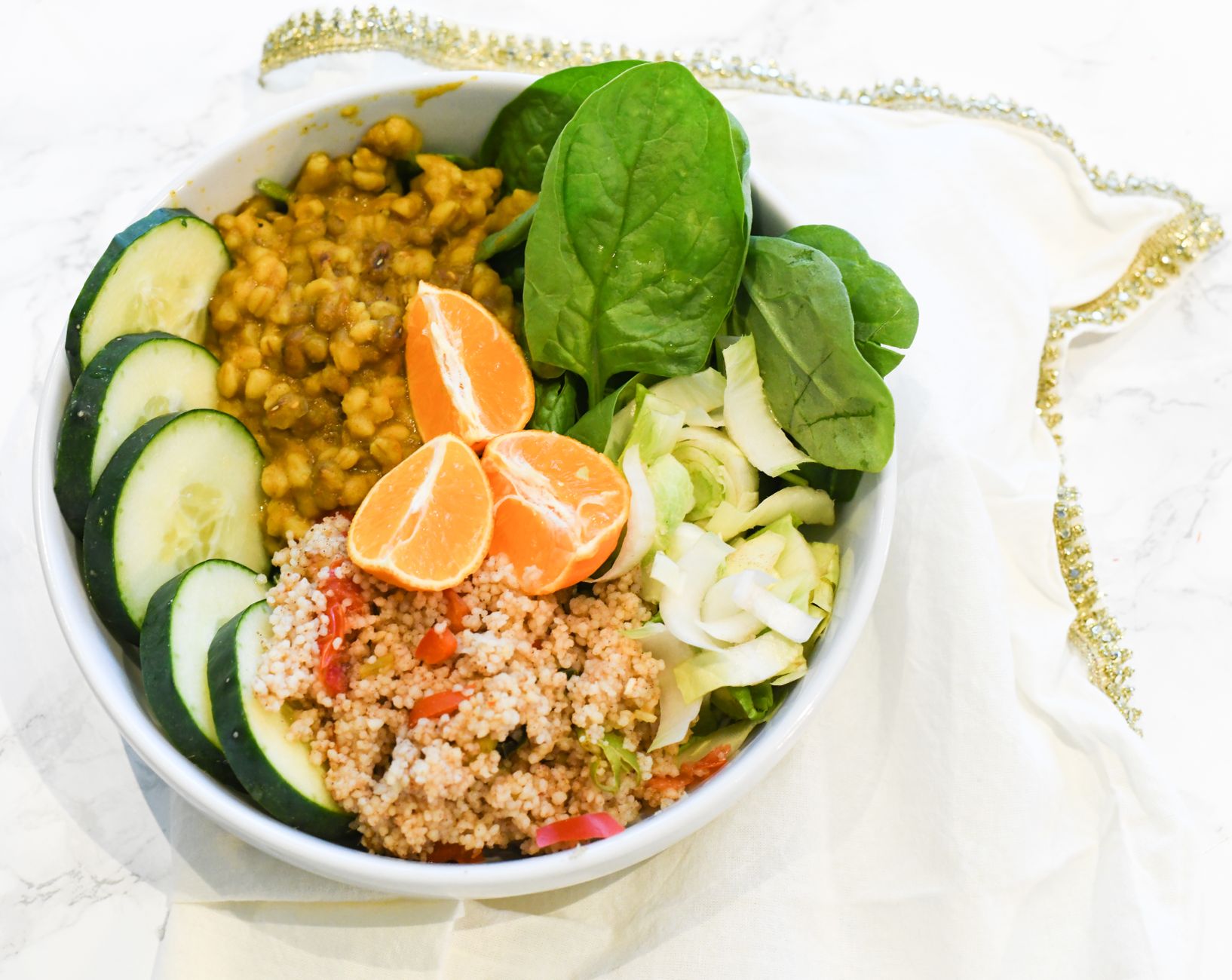
Couscous, often mistaken for a grain, is a North African dish made from steamed semolina wheat granules. This versatile ingredient serves as a staple in various cuisines and can be prepared in numerous ways. Its fluffy texture and ability to absorb flavors make it a popular choice for salads, sides, and main dishes alike.
In this comprehensive guide, we will explore what couscous is, its types, nutritional benefits, cooking methods, and delicious ways to incorporate it into your meals. Whether you are a seasoned cook or a culinary novice, understanding couscous can elevate your cooking game.
What Is Cous Cous?
Couscous is a traditional North African dish made from crushed durum wheat and is typically prepared by steaming. The grains are formed into small pellets, which are then steamed until light and fluffy. Couscous comes in several varieties, including Moroccan, Israeli (or pearl), and Lebanese, each with unique textures and cooking methods.
Types of Couscous
Couscous is categorized into three main types, each varying in size and preparation techniques. Understanding these types is crucial for effectively incorporating them into your dishes.
1. Moroccan Couscous
This is the most common type of couscous and consists of very small granules, about the size of a grain of sand. Moroccan couscous cooks quickly, usually within five minutes when steamed or soaked in hot water. It serves as a fantastic base for stews and meats.
2. Israeli Couscous
Also known as pearl couscous, this variety is larger, resembling tiny spheres. Israeli couscous is typically toasted, giving it a nutty flavor and chewy texture. It requires more cooking time than Moroccan couscous, usually around 10 minutes, and is excellent in salads and as a side dish.
3. Lebanese Couscous
Known as moghrabieh, Lebanese couscous is the largest of the three types, with grains that can be as big as peas. It needs a longer cooking time of about 15-20 minutes and often requires boiling rather than steaming. This variety is perfect for hearty dishes or as a filling component in salads.
Nutritional Value of Couscous
Couscous is not only versatile but also offers nutritional benefits. It is primarily composed of carbohydrates but has some protein and dietary fiber as well. Below is an overview of its nutritional value:
- Carbohydrates: Couscous is an excellent source of energy due to its high carbohydrate content.
- Protein: While not as rich in protein as some grains, couscous does have a moderate protein level, especially when combined with legumes or vegetables.
- Fiber: Whole wheat couscous contains fiber, which aids in digestion and promotes a feeling of fullness.
- B Vitamins: Couscous contains essential B vitamins, including niacin, thiamine, and riboflavin, which help convert food into energy.
- Minerals: Couscous contains trace amounts of important minerals like selenium, iron, and magnesium.
For those looking for gluten-free alternatives or wishing to minimize their carbohydrate intake, quinoa or farro might be suitable substitutes for couscous. However, couscous can be a nutritious addition to various diets when consumed in moderation.
Cooking Couscous: A Step-by-Step Guide
Cooking couscous is quite simple and requires minimal ingredients. Below is a basic method for preparing Moroccan couscous, along with tips for cooking Israeli and Lebanese couscous.
Essential Ingredients
- 1 cup couscous (Moroccan, Israeli, or Lebanese)
- 1 cup water or broth (vegetable or chicken)
- 1 tablespoon olive oil or butter (optional)
- Salt to taste
Required Equipment
- A medium-sized saucepan
- A heat-proof bowl (for Moroccan couscous)
- A fork for fluffing
Cooking Moroccan Couscous
- In a saucepan, bring 1 cup of water or broth to a boil.
- Add 1 cup of couscous and a pinch of salt, stirring well to combine.
- Cover the saucepan and remove it from heat.
- Let the couscous steep for about 5 minutes.
- Add olive oil or butter if desired, then fluff the couscous with a fork to separate the grains.
Cooking Israeli Couscous
- In a saucepan, heat a tablespoon of olive oil over medium heat.
- Add 1 cup of Israeli couscous and toast for about 2-3 minutes, stirring constantly.
- Add 1 cup of water or broth and bring to a boil.
- Cover and reduce heat to low, cooking for approximately 10 minutes.
- Fluff with a fork and serve.
Cooking Lebanese Couscous
- In a large pot of boiling salted water, add 1 cup of Lebanese couscous.
- Cook for about 15-20 minutes or until the couscous is tender.
- Drain in a colander and rinse with cold water to stop the cooking process.
- Fluff and serve, or mix with your preferred ingredients.
Common Mistakes When Cooking Couscous
While cooking couscous is straightforward, there are some common pitfalls to avoid:
- Using too much or too little liquid: Follow the recommended water-to-couscous ratios for the best texture.
- Not letting it rest: Allowing couscous to sit covered after cooking helps the grains absorb moisture and achieve the optimal fluffiness.
- Overcooking: Keep an eye on cooking times to prevent mushy couscous, especially with larger varieties.
Flavoring and Serving Suggestions
Couscous is incredibly versatile and can take on an array of flavors. Here are some ideas for incorporating it into your meals:
1. Vegetable Couscous Salad
Mix cooked couscous with diced vegetables like bell peppers, cucumbers, and tomatoes. Add a dressing of olive oil, lemon juice, salt, and pepper for a refreshing side dish.
2. Couscous with Herbs and Nuts
Stir in freshly chopped herbs like parsley or cilantro and toasted nuts (like almonds or pine nuts) for a delightful combination of textures and flavors.
3. Couscous as a Side Dish
Couscous pairs beautifully with grilled meats, vegetables, and stews. Consider serving it alongside Moroccan tagine or roasted chicken for an authentic experience.
4. Couscous with Dried Fruits and Spices
For a warm and comforting dish, add dried fruits such as apricots or raisins, along with spices like cinnamon and turmeric. This dish can serve as a delicious main course or dessert.
Meal Planning with Couscous
Couscous is an excellent ingredient for meal prepping. Its quick cooking time allows you to whip up meals in a hurry. Here are some practical meal planning tips:
- Batch cook couscous at the beginning of the week and store it in airtight containers in the refrigerator.
- Combine couscous with a variety of proteins and vegetables for balanced meals throughout the week, preventing meal fatigue.
- Use couscous to stretch expensive proteins, using it as a filler in dishes with chicken or fish.
Storing and Reheating Couscous
Understanding how to store and reheat couscous is essential for maintaining its texture and flavor:
Storage
- Cooked couscous can be stored in an airtight container in the refrigerator for up to 5 days.
- Uncooked couscous should be kept in a cool, dry place and can last for months.
Reheating
- To reheat refrigerated couscous, add a splash of water to a saucepan over low heat, cover, and heat until warmed through.
- Microwave reheating is also an option: Place couscous in a microwave-safe bowl, add a little water, cover, and heat for 1-2 minutes.
Ingredient Substitutions for Couscous
If you’re in need of alternatives for couscous, several options can mimic its texture or flavor, depending on your dietary requirements:
- Quinoa: A gluten-free grain that offers a similar fluffy texture and nutty flavor.
- Farro: A chewy grain with a nutty taste, great for salads or as a side.
- Bulgur: Similar in texture to couscous and can easily replace it in most recipes.
Commonly Asked Questions
Can couscous be made gluten-free?
Traditional couscous is made from durum wheat and is not gluten-free. However, gluten-free alternatives such as quinoa or cauliflower rice can be used for those with gluten sensitivities.
What can I serve with couscous?
Couscous is versatile and pairs well with a variety of dishes, including stews, grilled meats, roasted vegetables, or as part of a salad. Its mild flavor allows it to complement a range of flavors.
How can I add more flavor to couscous?
To enhance the flavor of couscous, use broth instead of water for cooking, and consider adding spices, herbs, or aromatics like garlic or onion during the cooking process.
Couscous is a wonderful addition to any meal, providing both versatility and flavor to your dishes. With its quick cooking time and adaptability, it’s easy to incorporate into your weekly meal planning.
Explore more about other ingredients and cooking techniques to expand your culinary repertoire. For example, check out our guide on chia seeds or learn how long to soak chia seeds for added nutrition in your meals.