
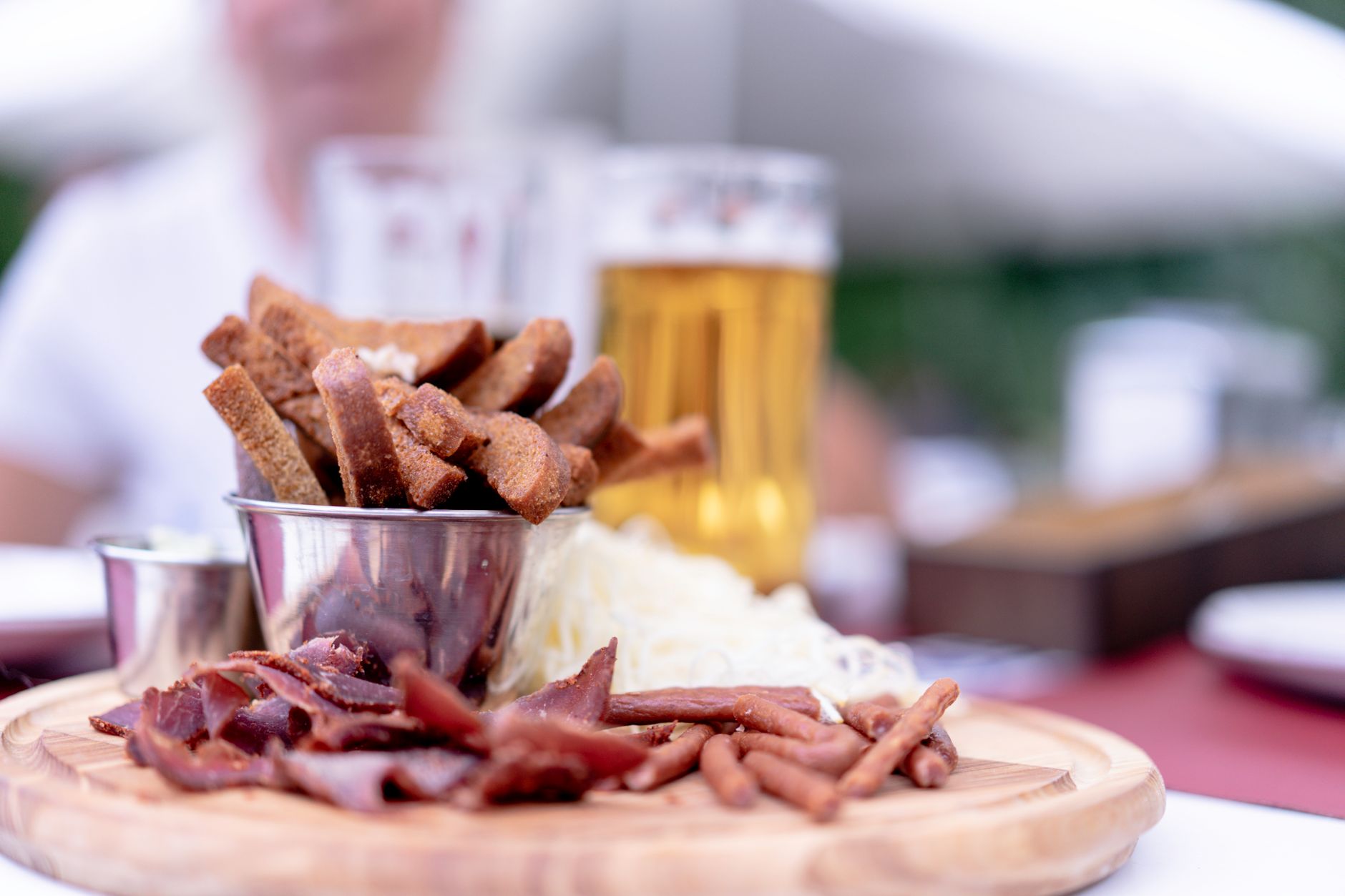
A pub, short for public house, is a unique establishment primarily known for serving alcoholic beverages, particularly beer, along with food. While often associated with social gatherings and leisure, pubs also hold historical significance and cultural importance in various regions, especially in the United Kingdom, Ireland, and other English-speaking countries.
In this article, we will dive deep into the characteristics of a pub, its traditional offerings, cultural variations, and tips for making the most of your pub experience, whether visiting one or creating a pub-like atmosphere at home.
What Is a Pub?
A pub can be defined as an establishment that serves alcoholic drinks, particularly beer, along with snacks or meals. Pubs frequently serve as community hubs where people gather to socialize, watch sports, or enjoy live music. Their ambiance ranges from cozy and intimate to lively and energetic, catering to a diverse clientele.
The History and Evolution of Pubs
Pubs have a rich history that dates back to ancient times. The concept of a communal space for drinking and socializing can be traced back to the Roman taverns and later the medieval inns that provided refreshment and lodging for travelers. Over time, these establishments evolved, particularly in England, leading to the creation of the classic pub that we know today.
The Traditional British Pub
In the UK, the traditional pub has certain hallmark features. Pub interiors often feature wooden beams, a friendly bar area, and a cozy atmosphere. Many pubs serve classic comfort food, such as fish and chips, bangers and mash, and shepherd’s pie, which complement the wide range of beers and ales available.
Global Variations of Pubs
While the British pub is the most recognized form, other cultures have their versions of a pub. For instance, Irish pubs often emphasize live music and a warm, welcoming atmosphere. In Belgium, “brasseries” are similar establishments that focus on beer, often served alongside meals. In the U.S., pubs are commonly referred to as gastropubs, emphasizing the quality of food served alongside craft beers.
Main Offerings: Food and Drink
Alcoholic Beverages
Pubs predominantly serve a wide variety of alcoholic beverages. Beer, especially ales and stouts, often takes center stage. The bar typically features local and international options. Some popular types of beer served in pubs include:
- Amber Ales
- Porters
- Stouts
- IPAs (India Pale Ales)
- Lagers
Additionally, many pubs offer spirits such as whiskey, gin, and cocktails. The craft cocktail trend has also permeated pubs, with many establishments creating unique, signature drinks.
Food Offerings: Pub Grub
The food served in pubs, fondly known as “pub grub,” varies widely, but certain dishes are staples:
- Fish and Chips: A quintessential British dish, typically served with tartar sauce and mushy peas.
- Burgers: Hearty burgers are common, often enhanced with gourmet toppings.
- Ploughman’s Lunch: A selection of cheese, pickles, salad, and bread.
- Sunday Roast: A traditional meal comprising roasted meat served with vegetables, potatoes, and gravy.
Many pubs also offer vegetarian and vegan options, recognizing the growing demand for inclusive menus.
Creating a Pub Experience at Home
Recreating the essence of a pub at home can be an enjoyable endeavor. Whether hosting a social gathering or simply wanting to enjoy a relaxed evening, here are tips to bring the pub atmosphere into your living space.
Curating a Drink Menu
Start by selecting a variety of beverages that could include:
- Craft Beers: Stock local craft brews alongside popular national brands.
- Signature Cocktails: Create a few easy-to-make cocktails that reflect your style.
- Non-Alcoholic Options: Don’t forget to include sodas, juices, and mocktails.
Food Pairings and Snack Platters
To accompany drinks, consider preparing some classic pub grub or simple snacks:
- Meat and Cheese Boards: Offer a variety of cheeses, cured meats, nuts, and fruits.
- Finger Foods: Serve appetizers such as chicken wings, sliders, nachos, and fries.
- Homemade Pies: Simple meat or vegetable pies can be a crowd-pleaser.
Setting the Atmosphere
Creating a welcoming and relaxed environment is key to replicating the pub experience:
- Lighting: Use warm lighting or string lights to create a cozy ambiance.
- Seating: Arrange comfortable seating that encourages conversation.
- Music: Play a mix of background tunes or popular sing-alongs to enhance the mood.
The Role of Pubs in Community
Pubs play a significant role in fostering community ties. They serve as spaces for interaction, often hosting events like trivia nights, karaoke, or live music performances. Many locals consider their neighborhood pub a second home where they can make connections and enjoy shared experiences.
Events and Activities
Pubs often host various activities and events that encourage community engagement:
- Quiz Nights: These events bring people together for a friendly competition.
- Live Entertainment: Many pubs feature local bands or artists, creating a vibrant night out.
- Seasonal Celebrations: Special events during holidays, such as Halloween or Christmas, attract patrons looking for festive cheer.
Common Mistakes When Visiting a Pub
While visiting a pub can be a straightforward experience, certain mistakes can detract from the enjoyment:
- Not Exploring the Menu: Many guests stick to the same drink or dish; don’t hesitate to try something new.
- Overindulging: Enjoy drinks in moderation to ensure a pleasant experience.
- Neglecting Check Hours: Pubs may have varying hours, especially on holidays.
Understanding Pub Culture
Each pub has its unique culture shaped by its location, history, and clientele. Understanding these nuances can greatly enrich your experience:
- Behavior: In many pubs, patrons socialize loudly and share tables, creating a communal feel.
- Dress Code: Generally casual, but some pubs may have specific dress expectations.
- Reservations: For large groups or during special events, it’s wise to check if a reservation is needed.
Conclusion
Pubs represent much more than just a place to drink; they are cultural institutions that foster community, celebrate local traditions, and provide delicious food and beverages. Whether you’re enjoying a night at your local pub or creating a pub-like atmosphere at home, these establishments offer a unique space to connect with others and unwind.
For more food-related content, recipes, and meal-planning tips, feel free to explore our collection of articles for further inspiration.