
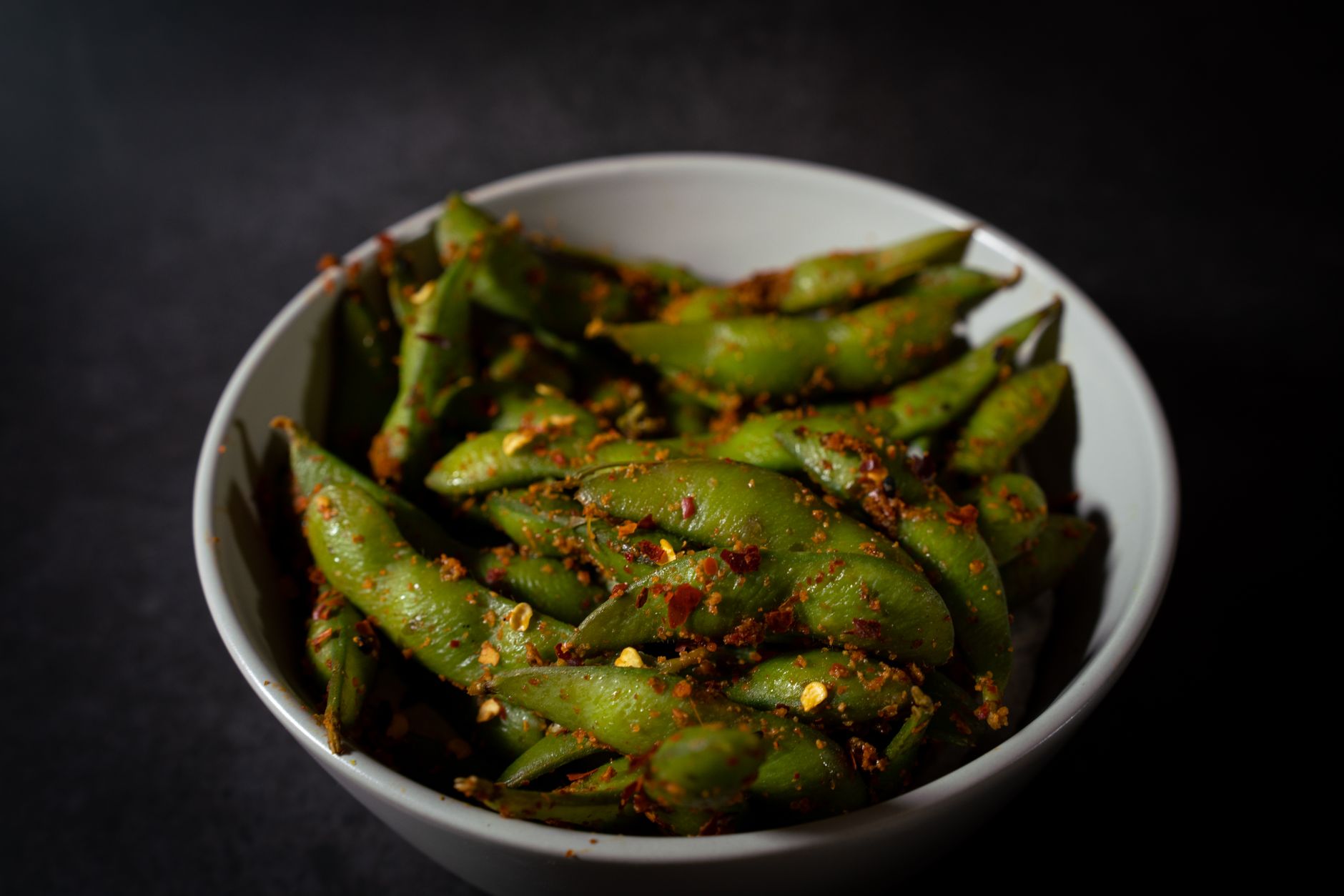
Endamame, often referred to as edamame, is a young, green soybean harvested before it fully ripens. These vibrant legumes are a staple in various cuisines, particularly in East Asia, and they boast not only a unique flavor but also numerous health benefits. Their versatility makes them an excellent addition to various dishes or as a nutritious snack.
In this comprehensive guide, we’ll explore what endamame is, its culinary uses, preparation techniques, nutritional benefits, and how to incorporate it into your meals. Whether you’re a seasoned cook or a novice in the kitchen, there’s something for everyone.
What Is Endamame?
Endamame refers to immature soybeans that are picked while still in the pod. These beans are typically bright green and are celebrated for their firm texture and slightly grassy, sweet flavor. They are commonly enjoyed steamed or boiled and lightly seasoned with salt, making for a nutritious, snackable treat.
Origin and Culinary History
Edamame is native to East Asia, where it has been cultivated for over 2,000 years. Traditionally, it was consumed as a snack or side dish and has since gained popularity worldwide, particularly in Japanese and Chinese cuisines. The term “edamame” translates to “branch beans” in Japanese, signifying the way they are harvested.
Nutritional Benefits of Endamame
Endamame is not just tasty; it’s also packed with essential nutrients. Some key nutritional benefits include:
- High in Protein: Endamame provides a complete source of protein, making it an excellent choice for vegetarians and vegans.
- Rich in Fiber: It is a good source of dietary fiber, promoting healthy digestion.
- Vitamins and Minerals: Edamame is loaded with vitamins, particularly vitamin K, folate, and various B vitamins, as well as minerals like iron and magnesium.
- Antioxidants: Contains antioxidants that combat oxidative stress in the body.
How to Select and Store Endamame
When selecting endamame, look for bright green pods that are firm and plump. Avoid any that appear dull or have brown spots, as these can indicate age or spoilage. Edamame can be found fresh, frozen, or in some cases, canned. To store endamame:
- Fresh Endamame: Keep it refrigerated and use within a few days.
- Frozen Endamame: Store in the freezer and keep it as long as the package suggests.
- Canned Endamame: Once opened, transfer any leftovers to an airtight container and consume within a few days.
Preparation Techniques for Endamame
Cooking endamame is straightforward, whether fresh or frozen. Here are some common methods:
Boiling Endamame
- Bring a large pot of salted water to a boil.
- Add the endamame pods to the boiling water and cook for 3-5 minutes until they are bright green and tender.
- Drain and immediately rinse under cold water to stop the cooking process.
- Sprinkle with sea salt before serving.
Steaming Endamame
- Fill a pot with a couple of inches of water and place a steaming basket inside.
- Bring the water to a boil, then add the endamame pods to the steaming basket.
- Cover and steam for 5-7 minutes.
- Remove and season with salt.
Microwaving Endamame
- Place 1-2 cups of endamame in a microwave-safe bowl with a bit of water.
- Cover with a lid or microwave-safe plate.
- Microwave on high for 4-5 minutes, checking fordoneness.
- Drain and season with salt before serving.
Culinary Uses of Endamame
Endamame can be enjoyed in a wide variety of dishes. Here are a few creative ways to incorporate it into your meals:
As a Snack
The simplest way to enjoy edamame is to boil or steam it, sprinkle with salt, and eat it directly from the pod. It makes for a healthy and satisfying snack.
In Salads
Add cooked endamame to salads for a protein boost. It pairs well with mixed greens, cucumber, red onion, and a sesame-ginger dressing.
In Stir-Fries
Include edamame in stir-fries alongside vegetables and your protein of choice. Its texture and flavor complement a variety of Asian-inspired dishes.
In Dips and Spreads
Pulse cooked endamame with garlic, lemon juice, tahini, and olive oil in a food processor to create a vibrant dip similar to hummus. Serve with pita or fresh vegetables.
Endamame Pasta Dishes
Blend edamame into pasta dishes for added nutrition. Toss it with whole grain pasta, olive oil, cherry tomatoes, and fresh basil for a quick dinner.
In Sushi
Many sushi recipes incorporate edamame as a filling or garnish. It enhances both the flavor and nutritional profile of the sushi.
Common Mistakes When Preparing Endamame
When cooking endamame, here are some common pitfalls to avoid:
- Overcooking: This leads to mushy beans. Aim for a tender but firm texture.
- Not salting: Edamame can be bland on its own; adding salt enhances its natural flavors.
- Ignoring freshness: Make sure to use fresh or properly stored endamame for the best flavor.
Endamame Variations and Substitutions
If you can’t find endamame, here are some alternatives that could work in a recipe:
- Green Peas: Also bright in color and sweet, green peas can be a handy substitute in many dishes.
- Chickpeas: For texture and protein, chickpeas can provide a similar nutritional benefit in salads or dips.
- Crushed Lima Beans: These can substitute in salads or stir-fries, though they will have a slightly different texture.
Culinary Pairings with Endamame
When considering flavor pairings, think about what complements the naturally sweet and nutty flavor of edamame:
- Citrus: Lemon juice or lime zest can add brightness.
- Garlic and Ginger: These flavors enhance edamame in stir-fries and dips.
- Sesame: Toasted sesame seeds or sesame oil can elevate the dish.
- Chili: For a spicy kick, add chili flakes or a drizzle of sriracha.
Endamame in Different Cuisines
Across cultures, edamame is appreciated for its versatility and health benefits.
Japanese Cuisine
In Japan, edamame is often served as a bar snack, lightly salted, and enjoyed with cold beer. It is commonly used in sushi rolls and as toppings for rice dishes.
Chinese Cuisine
Chinese dishes may include edamame in stir-fries or soups, enhancing the dish’s nutritional content and adding texture.
Western Cuisine
In Western kitchens, edamame appears in salads or as a healthy appetizer. It can even be blended into smoothies or used in savory baked goods.
How to Incorporate Endamame into Meal Planning
Incorporating endamame into your meal planning can elevate your diet. Here are some practical tips:
- Batch Cooking: Cook a large batch of edamame at the beginning of the week and store them in the fridge for quick snack options.
- Combine Ingredients: Factor in edamame when meal prepping by combining it with grains for a healthy bowl.
- Use as Protein: Substitute edamame for meat in recipes to create vegetarian-friendly options.
Conclusion
Endamame is more than just a trendy food item. Its nutritional profile, versatility, and ease of preparation make it a valuable ingredient to keep on hand. Whether you’re enjoying it as a simple snack, incorporating it into sophisticated dishes, or exploring diverse cuisines, endamame offers a plethora of possibilities for nutritious eating. Consider adding this delicious soybean to your next meal!
If you’re interested in learning more about nutritious ingredients, check out our guide on the health benefits of edamame for more insights and inspiration for your recipes.