
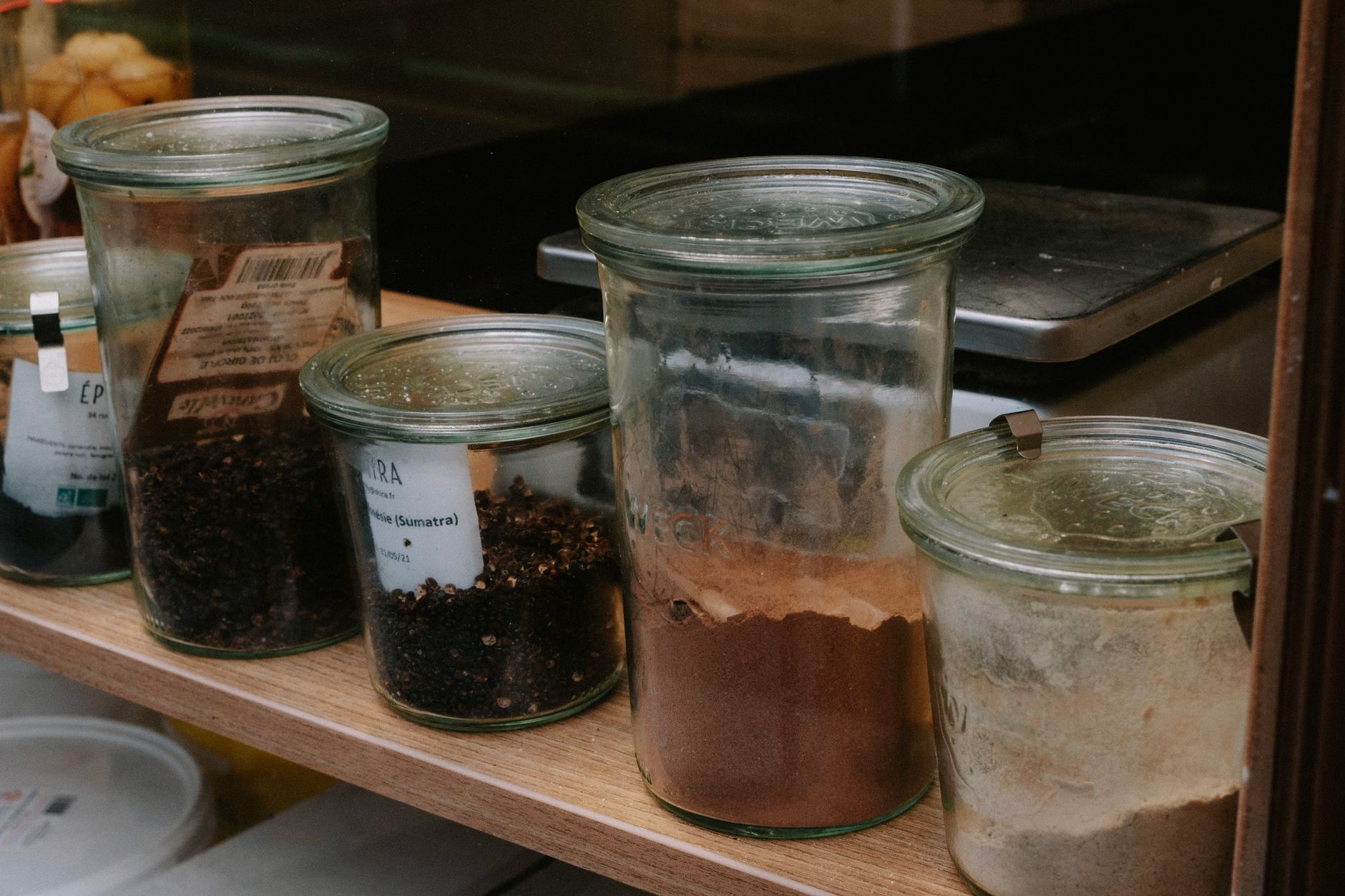
Spices are an essential part of cooking, as they enhance flavors and aromas in a variety of dishes. However, many home cooks question the longevity of their spice collection. Do spices go bad? The answer involves understanding spice types, how they are stored, and what to look for when determining their usability.
In this article, we will explore the shelf life of different spices, offer tips on how to store them properly, and provide guidance on how to determine when spices have reached their expiration. By the end, you will have a better understanding of how to care for your spices and ensure the best flavors in your cooking.
Do Spices Go Bad?
Yes, spices can go bad, but they do not spoil in the same way that fresh foods do. Instead, spices lose potency and flavor over time. While they may not be harmful to consume if they are past their prime, using outdated spices can result in bland and uninteresting dishes.
Understanding Shelf Life
Spices possess different shelf lives based on their type and form. Whole spices typically last longer than ground spices due to their reduced exposure to air and moisture. Below is a breakdown of the expected shelf life for various spices:
| Spice Type | Whole Spices | Ground Spices |
|---|---|---|
| Black Pepper | 3–4 years | 2–3 years |
| Cinnamon | 4–5 years | 2–3 years |
| Cumin | 4–5 years | 2–3 years |
| Oregano | 3–4 years | 1–3 years |
| Chili Powder | 2–3 years | 1–2 years |
| Turmeric | 4–5 years | 3–4 years |
Factors Affecting Spice Longevity
Several factors influence how long spices last. Understanding these factors can help you maximize the shelf life of your spices.
1. Type of Spice
As noted above, whole spices generally have a longer shelf life compared to their ground counterparts. This is due to whole spices retaining their essential oils and flavor compounds better than ground spices, which may lose their potency more quickly after being processed.
2. Storage Conditions
The way spices are stored greatly affects their quality over time. Heat, light, moisture, and air exposure can all contribute to the degradation of spices. Storing spices in a cool, dark place, such as a pantry, can greatly extend their shelf life.
3. Packaging
Spices stored in airtight containers or original sealed packaging will last longer than those stored in jars that are frequently opened. When the container is opened, air exposure can lead to a slow decrease in potency. Consider investing in glass jars with tight-fitting lids or resealable bags for optimal storage.
Signs That Spices Have Gone Bad
Determining whether your spices are still good can be done through a few simple checks. Here are the signs to look for:
1. Aroma
The most immediate sign that a spice is losing its potency is the aroma. Fresh spices should have a strong and distinct scent, while expired spices often have little to no aroma at all. When in doubt, give your spices a sniff before using them.
2. Color
Spices can lose their vivid color over time, which is another indicator of aging. For instance, red pepper flakes should still have a vibrant red hue, while ground turmeric should maintain its bright yellow. A notable fade in color can signify a loss of flavor.
3. Taste
If a spice appears visually fine and smells potent, the ultimate test is a taste test. Use a small amount and check for flavor. If it tastes bland or “off,” it is time to replace it.
4. Texture
Ground spices that clump together may indicate moisture absorption and potential spoilage. Whole spices should remain firm, while if they feel soft or shriveled, they might be past their best.
How to Properly Store Spices
Proper storage can significantly lengthen the shelf life of your spices. Here are some best practices:
- Store spices in a cool, dark cupboard or pantry away from sunlight, heat sources, and humidity.
- Use airtight containers to minimize air exposure, using glass or metal for ideal protection from moisture.
- Label containers with the purchase date and use-by date to keep track of freshness.
- Keep spices away from the stove and sink, where heat and moisture can decrease their quality.
- Refrain from storing spices in the refrigerator, as the increased humidity can lead to spoilage.
Best Practices for Using Spices
To get the most flavor and aroma from your spices, consider these best practices:
1. Buy in Small Quantities
To ensure that you are working with fresh spices, buy them in smaller quantities that you can use within their shelf life. Purchasing a large jar may seem economical, but it can lead to wastage.
2. Toasting Spices
For dried spices, especially whole ones, toasting them gently in a dry skillet can unlock their essential oils and aromas. Stir them continuously and remove them from heat once they start to release their fragrance.
3. Store Herbs Separately
While herbs are often classified as spices, dried herbs like oregano, basil, or thyme deserve their own considerations for freshness. Follow similar storage guidelines and pay attention to their specific shelf lives.
When to Substitute or Replace Spices
If you find yourself facing outdated spices, consider the following alternatives:
1. Fresh Options
In some cases, using fresh herbs or spices can elevate the flavor profile of your dish. Just keep in mind that fresh herbs have a shorter shelf life and should be used while they’re still vibrant and aromatic.
2. Similar Flavor Profiles
If you are out of a specific spice, using a similar one can often achieve a comparable result. For instance, if you are out of coriander, you might substitute it with cumin or a combination of caraway and parsley.
3. Experimenting with Spice Blends
Spice blends can often provide robust flavor and complexity. While they do have a shorter shelf life than whole spices, well-stored blends can enhance your dish without requiring you to use multiple individual spices. Consider the many flavors of chili seasoning for spice blends!
Common Mistakes When Using and Storing Spices
Even seasoned cooks make mistakes when it comes to spices. Here are some common pitfalls:
1. Keeping Spices for Too Long
It’s easy to forget about that jar of nutmeg in the back of a kitchen drawer. Regularly checking your spice inventory, and being mindful of expiration dates, can help avoid using stale spices.
2. Storing Them Above the Stove
While it may seem convenient, storing spices near a stove exposes them to heat. Over time, this can cause their flavors to dissipate. Instead, designate a cool storage area apart from the cooking line.
3. Not Tightly Sealing Containers
Airtight containers are crucial for preserving spices. Failing to fully close jars or bags can allow moisture to compromise them. Additionally, always avoid using damp measuring spoons for dry spices.
Summary and Practical Tips
To preserve the flavors of your spices, it is crucial to understand their shelf life and proper storage methods. Regularly check your spices for aroma, color, and taste to ensure they contribute effectively to your dishes. Store them in a cool, dark place, and buy them in smaller quantities to maintain their potency.
Taking these steps not only helps enhance your cooking but also ensures that your spice collection remains vibrant and flavorful for longer. Proper care of your spices means tastier meals—making the effort truly worth it.
If you’re looking to learn more about spices and how to utilize them effectively, explore articles on spice substitutions like our guide on substituting coriander or delve into the intricacies of seasoning blends with our section on chili seasoning. These resources can help you improve your culinary skills and bring bold flavors to your kitchen!