
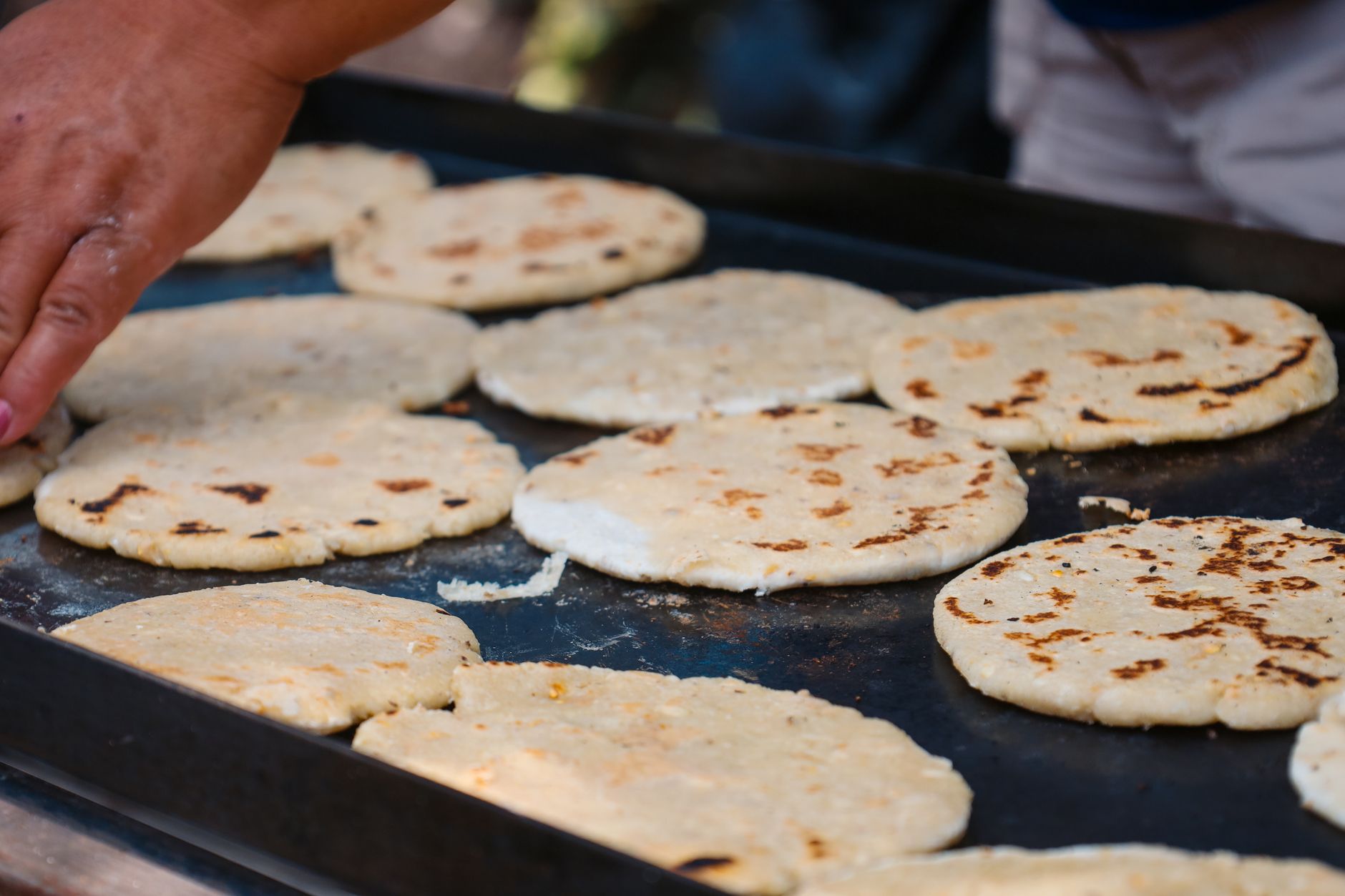
Pupusas are a traditional El Salvadoran dish consisting of thick corn tortillas filled with various ingredients, making them a beloved staple in Central American cuisine. These comforting treats are often served with sides like curtido (pickled cabbage) and salsa roja, enhancing their flavor and appeal.
Originating from the indigenous Pipil people, pupusas have evolved into a cornerstone of Salvadoran culture. The dish is made with masa harina (corn flour) and can be filled with a range of ingredients, offering versatility and the ability for customization. Whether you’re in search of a new family recipe or eager to explore authentic Salvadoran cuisine, understanding pupusas will undoubtedly enhance your culinary repertoire.
What Is Pupusas?
Pupusas are handmade corn tortillas that are stuffed with various fillings such as beans, cheese, and meats. These tortillas are thick, warm, and slightly crispy on the outside while soft on the inside, creating a delightful textural contrast. They are often accompanied by curtido and salsa, providing a flavorful and tangy balance to the richness of the pupusa.
History and Cultural Significance
Pupusas have a rich history, dating back to pre-Columbian times among the Pipil people of El Salvador. The name “pupusa” is thought to originate from the word “pupusawa,” meaning “to puff up” in the Pipil language. They were traditionally made from masa, and the fillings varied depending on local ingredients and customs.
As El Salvador gained independence, pupusas remained a staple, evolving with different influences from indigenous peoples, neighboring countries, and cultural exchanges. Today, they symbolize Salvadoran pride and are celebrated during festivals and national holidays. Not only do pupusas showcase the essence of Salvadoran gastronomy, but they also represent communal gatherings, often made and enjoyed with friends and family.
The Anatomy of a Pupusa
Understanding the components of pupusas is essential for recreating this dish successfully. Each ingredient plays a crucial role in achieving the perfect pupusa.
1. Masa Harina
The base of any pupusa is masa harina, a type of corn flour made from hominy corn. This flour has been treated with lime (nixtamalization), which enhances its flavor and texture. It is essential for creating the beloved thick tortillas.
2. Fillings
Pupusas can be filled with an array of ingredients. Common fillings include:
- Refried beans: Traditional black or red beans, mashed for a creamy consistency.
- Cheese: A soft cheese like quesillo or mozzarella adds creaminess.
- Pork: Ground pork (chicharrón) seasoned for flavor.
- Mixed vegetables: Such as jalapeños, spinach, or corn.
3. Accompaniments
Pupusas are typically served with accompaniments that elevate their taste and texture:
- Curtido: A tangy, lightly fermented cabbage slaw with carrots and spices.
- Salsa Roja: A flavorful red sauce made from tomatoes, peppers, and spices.
Pupusa Recipe: How to Make Your Own
Making pupusas at home can be a fun and rewarding experience, perfect for gatherings or weeknight dinners. The following recipe yields about 8 pupusas and takes around 30 minutes to prepare and cook.
Ingredients
- 2 cups masa harina
- 1 ½ cups warm water
- 1 teaspoon salt
- Fillings of your choice (e.g., 1 cup refried beans, 1 cup cheese, or 1 cup shredded pork)
- Curtido for serving (optional)
- Salsa roja for serving (optional)
Essential Equipment
- Mixing bowl
- Measuring cups and spoons
- Cast-iron skillet or non-stick frying pan
- Plastic wrap or parchment paper
- Spatula
Instructions
- In a mixing bowl, combine masa harina, salt, and warm water. Stir until a soft dough forms.
- Knead the dough for about 1-2 minutes until it is smooth and pliable. If the dough is too dry, add more water; if too wet, add more masa harina.
- Divide the dough into 8 equal portions and roll them into balls.
- Flatten one dough ball into a disc about ¼ inch thick using your hands or a tortilla press. Place desired filling in the center of the disc, then fold the edges over the filling and seal it.
- Gently flatten the filled dough ball again into a disc, ensuring the filling is evenly distributed.
- Heat a cast-iron skillet or non-stick frying pan over medium heat. Place the pupusa in the skillet and cook for about 2-3 minutes on each side, or until golden brown and slightly crispy.
- Remove from the skillet and keep warm while you repeat the process with the remaining dough and fillings.
- Serve hot with curtido and salsa roja on the side.
Practical Tips for Making Pupusas
Common Mistakes
When making pupusas, a few mistakes can lead to subpar results. Here are some common pitfalls and how to avoid them:
- Overworking the Dough: Knead just until smooth; over-kneading can result in a tough texture.
- Using Cold Ingredients: Ensure the water is warm to help bind the masa harina effectively.
- Filling Too Much: Avoid overfilling the tortillas, which can cause them to burst during cooking.
Storage and Reheating
Pupusas can be stored in an airtight container in the refrigerator for up to 3 days. To reheat, use a skillet over low heat until warmed through, or microwave them wrapped in a damp paper towel for about 1-2 minutes.
Variations and Substitutions
Pupusas are highly customizable, allowing you to experiment with various fillings:
- Vegetarian Option: Use a mixture of cheese and sautéed vegetables, like peppers and onions.
- Spicy Pupusas: Add jalapeños or hot sauce to your filling for a kick.
- Sweet Pupusas: For dessert, fill with sweetened mashed ripe bananas or chocolate spread.
Additionally, if masa harina is unavailable, proper substitutes may include all-purpose flour or fine cornmeal; however, their texture and flavor may vary from traditional pupusas.
Pupusas Around the World
While pupusas are primarily associated with El Salvador, variations can be found in other Central American countries, each with unique twists. For example:
- Colombian Arepas: Similar in dough but rely on different fillings and preparation methods.
- Mexican Gorditas: Also a masa-based dish, typically thicker and stuffed with various ingredients.
Despite these differences, the core concept of using masa to create satisfying, filled tortillas transcends borders and reflects the culinary traditions of many cultures.
Health and Dietary Considerations
Pupusas can be a nourishing meal, but there are several factors to consider regarding health and dietary needs:
- Gluten-Free: When made with masa harina, pupusas are gluten-free, making them suitable for those with gluten sensitivities.
- Vegan Option: By using vegetable fillings and omitting cheese, pupusas can easily accommodate a vegan diet.
- Nutritional Content: Depending on the fillings, pupusas can be high in calories and fat; consider using lean meats or vegetables to mitigate this.
Serving Suggestions
Pupusas are often served as a main dish but can also be paired beautifully with various sides. Consider these suggestions:
- Serve with a side of black beans or avocado salad for added nutrition.
- Top pupusas with fresh cilantro, avocado slices, or a squeeze of lime for enhanced flavors.
- Pair with traditional El Salvadoran beverages, such as horchata or tamarind juice, to complete the meal.
Join the Pupusa Craze at Home!
With their simplicity and deliciousness, making pupusas is an enjoyable culinary project. Not only do they cater to diverse palates, but they also serve as an opportunity to gather family and friends for a shared experience. Whether you opt for the traditional fillings or unleash your creativity with unique flavors, pupusas provide an avenue for exploration and joy in the kitchen.
To keep the culinary excitement going, explore related recipes and techniques. Check out our guides on homemade tortillas, bean preparations, or learn to make curtido for your next pupusa meal. These complementary skills will elevate your home cooking and provide additional delicious options for you and your loved ones to savor.