
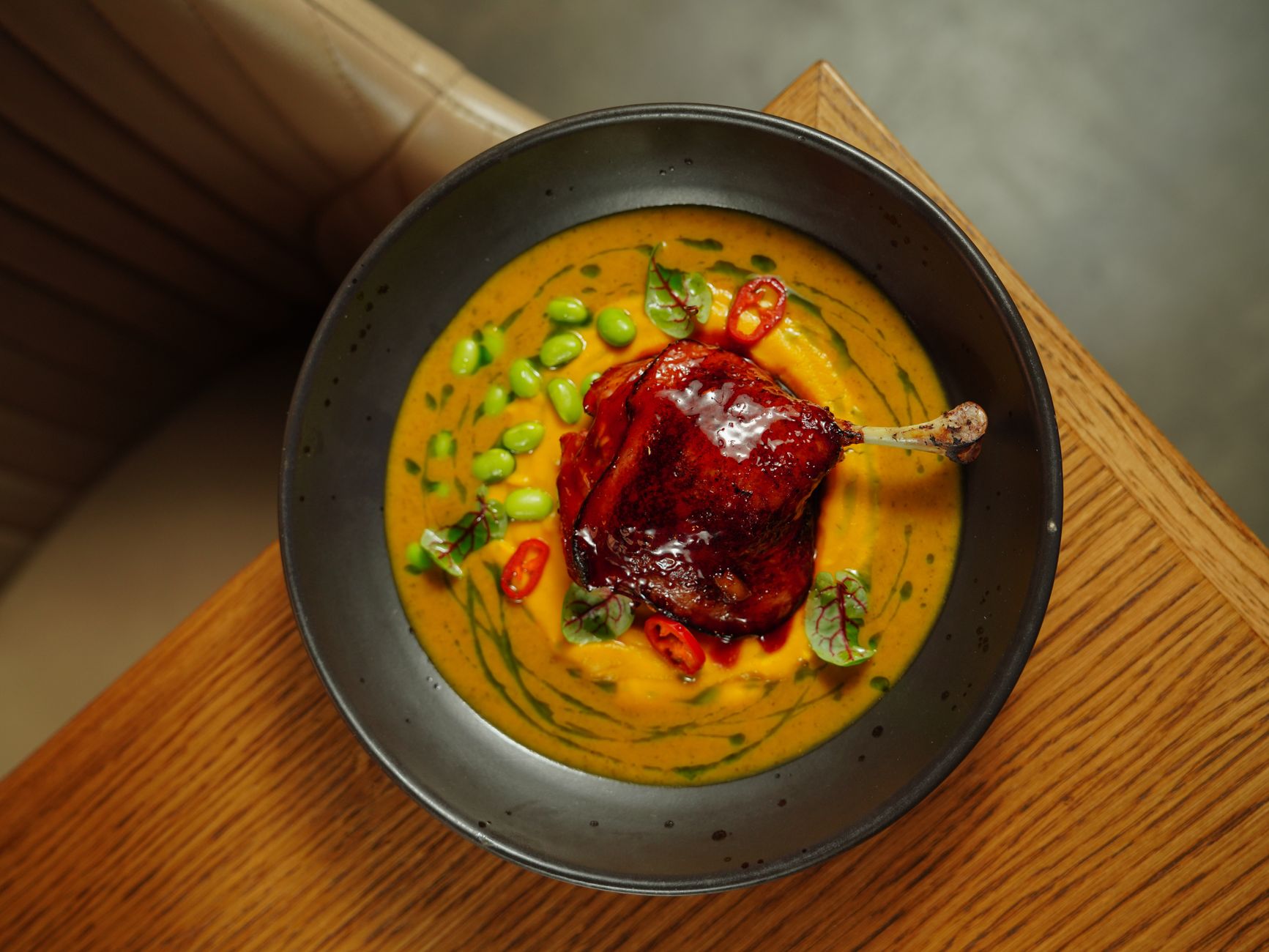
Duck confit is a classic French dish renowned for its tender, flavorful meat that melts in your mouth. Traditionally, it involves slow-cooking duck in its own fat, which preserves and enhances the natural flavors. This technique transforms the meat into a rich, savory delicacy that can be enjoyed on its own or combined with sides. The slow cooking also makes it an excellent choice for meal prep and batch cooking.
Understanding duck confit involves not just the recipe, but also its historical and cultural significance, the ingredients, and the cooking methods that make it a unique dish. In this comprehensive guide, we will delve into all aspects of duck confit, from preparation to serving suggestions, and even discuss how to make it a staple in your culinary repertoire.
What Is Duck Confit?
Duck confit is a traditional French dish made by slowly cooking duck legs in their own fat, resulting in tender meat that is rich in flavor. The process of confit originated as a means of preservation, allowing the meat to be stored for long periods without refrigeration. Today, it is celebrated for its delectable taste and texture, making it a favorite in both home kitchens and fine dining establishments.
Historical Background of Duck Confit
The origins of duck confit can be traced back to the rural regions of France, particularly the southwestern area of Gascony. Traditionally, this method of preservation was essential for surviving long winters when fresh meat was scarce. By cooking meat in fat, the duck could be stored for months, minimizing waste.
Over time, duck confit transitioned from a necessity to a culinary delight, finding its place on the menus of bistros and gourmet restaurants worldwide. Its unique preparation and flavor profile continue to captivate food enthusiasts, solidifying its status as an all-time favorite.
Key Ingredients in Duck Confit
The beauty of duck confit lies not only in its cooking technique but also in its simple yet rich ingredients. Here’s what you’ll need:
- Duck legs (preferably from Moulard or Muscovy ducks)
- Duck fat (or a combination of duck fat and olive oil)
- Salt
- Fresh herbs (such as thyme and bay leaves)
- Garlic cloves
- Black peppercorns
Choosing the Right Duck
When selecting duck for confit, choose high-quality duck legs, preferably from Moulard or Muscovy breeds. These types have a deeper flavor and their meat remains tender during the slow cooking process. Additionally, ensure that the duck fat is fresh and free from impurities to enhance the final dish.
The Cooking Technique Behind Duck Confit
Duck confit is defined by its slow cooking method, which renders the fat and tenderizes the meat. Here’s how this technique works step by step:
1. Curing the Duck
The first step is to cure the duck legs. This involves rubbing them with salt, fresh herbs, and garlic. The salt draws moisture out of the meat, which enhances flavor and helps preserve it.
2. Rinsing and Drying
After curing for at least 12 hours (or up to 48 hours for deeper flavor), rinse the legs under cold water to remove the excess salt. Pat them dry with paper towels to ensure that they will crisp up nicely during cooking.
3. Cooking in Fat
Next, submerge the duck legs in duck fat in a large, heavy-bottomed pot or a Dutch oven. The fat should cover the meat completely. Cook the duck on low heat (around 200°F/93°C) for several hours, typically 4 to 6 hours, until the meat is tender and easily pulls away from the bone.
4. Cooling and Storing
Once cooked, allow the duck to cool in the fat. This not only helps preserve it but adds flavor. Store the cooled duck legs in the fat in an airtight container in the refrigerator, where they can last for several weeks.
Flavor Profile and Texture of Duck Confit
The flavor of duck confit is rich and savory, with the herbs and garlic providing depth. The meat is incredibly tender due to the long cooking time, while the skin becomes crispy and flavorful when seared before serving.
Duck confit can boast a melt-in-your-mouth quality, balanced by the crispy texture of the skin. It is often described as reminiscent of other slow-cooked dishes but retains its distinct richness characteristic of duck.
Serving Suggestions
Duck confit is versatile and can be served in a variety of ways. Here are some popular serving suggestions:
- Serve it with roasted vegetables, such as carrots, Brussels sprouts, or potatoes, to complement its rich flavors.
- Pair it with a citrus-based salad or a tart fruit chutney to add a refreshing contrast.
- Use it as the star ingredient in a duck cassoulet, pairing it with white beans and sausage.
- Serve it over creamy polenta or risotto for a hearty meal.
- Shred the meat and use it as a filling for tacos, sandwiches, or confit duck salads.
Practical Tips for Making Duck Confit
Making duck confit at home is relatively straightforward but does require some attention to detail. Here are some practical tips for success:
- Cure the duck legs longer for more flavor; up to 48 hours is best.
- Always use low heat when cooking; this prevents the meat from becoming tough.
- Ensure the fat completely covers the meat during the cooking process.
- Allowing the duck to rest in the fat helps enhance the flavors.
- To achieve crispy skin before serving, sear the legs in a hot pan or under a broiler.
Variations and Substitutions
Duck confit can also be adapted to suit different tastes or dietary preferences. Here are some common variations and substitutions:
- **Meat options:** Though traditional duck confit is made using duck, chicken thighs can be used as a more affordable alternative. Adjust the cooking time, as chicken may take less time to become tender.
- **Herbs:** While thyme and bay leaves are traditional, feel free to experiment with other herbs like rosemary or sage for different flavor profiles.
- **Fat:** If duck fat is unavailable, a high-quality olive oil can be used, although this will alter the flavor slightly and may lack the same depth of richness.
- **Spices:** Consider adding spices like smoked paprika or star anise for added complexity in flavor.
Common Mistakes and Troubleshooting
When preparing duck confit, several common pitfalls can affect the final product. Here are some mistakes to watch for and tips to address them:
- **Too high heat:** Cooking at too high a temperature can cause the meat to dry out. Always use low heat when cooking the duck.
- **Improper storage:** If left uncovered, the duck will dry out or develop off-flavors. Always cover it completely in fat when storing.
- **Undercooking:** Ensure the meat is cooked for the full time. The meat should be fork-tender and fall off the bone during testing.
- **Soggy skin:** To get that coveted crispy skin, make sure to dry the duck legs thoroughly before searing them after cooking.
Storage and Reheating Guidance
Duck confit can be stored in the refrigerator for up to three weeks when submerged in fat. Alternatively, it can be vacuum-sealed and frozen for up to three months. When reheating, it’s best to gently warm the duck legs in a skillet over medium heat to allow the skin to crisp up again.
Utilizing Duck Confit in Meal Planning
Duck confit is an excellent option for meal planning due to its long shelf-life and versatility. Here are some strategies for incorporating it into your week:
- Prepare a batch on the weekend for easy use throughout the week.
- Incorporate it into a variety of meals—think salads, tacos, or pastas—to keep weekday dinners interesting.
- Pair it with different sides or sauces each night to vary the taste experience and reduce meal fatigue.
Conclusion
Duck confit is more than just a dish; it embodies centuries of culinary tradition and technique. By mastering its preparation, you can bring a taste of France into your kitchen while creating meals that impress and delight.
Ready to take on duck confit? Start today by gathering your ingredients and setting aside some time for this delicious culinary adventure. Explore various recipes, cooking tips, and guides to elevate your skill in the kitchen!