
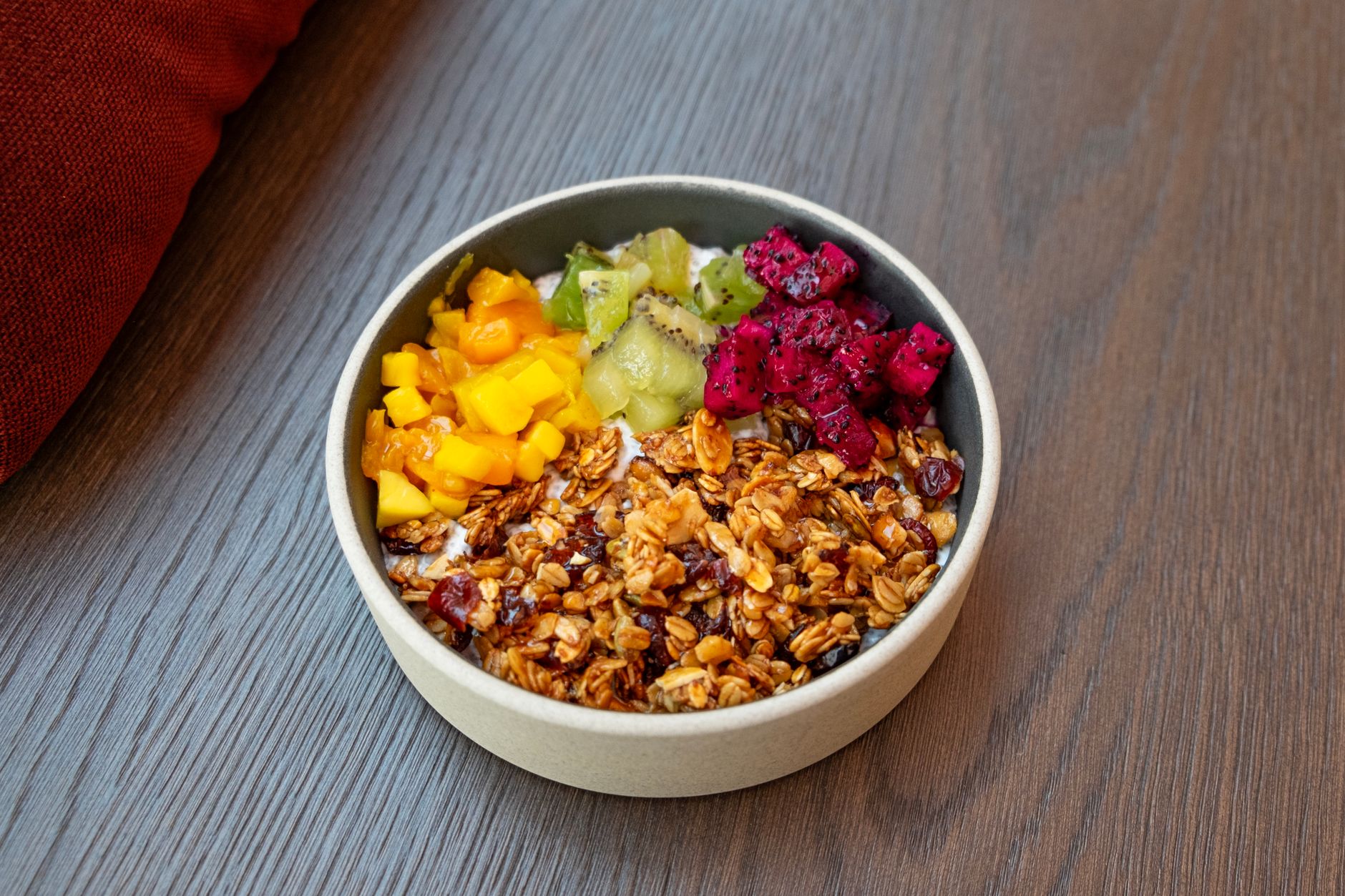
Muesli is a cold oatmeal dish traditionally made from rolled oats and a variety of other ingredients, such as nuts, seeds, and dried fruits. Originating in Switzerland in the early 20th century as a health food, it has evolved into a popular breakfast option enjoyed worldwide. Its flexibility and adaptability are key reasons for its popularity.
This article delves into what muesli is, including its ingredients, nutritional benefits, preparation methods, and tips for incorporating it into your diet. Whether you prefer a classic version or looking to create a custom blend, muesli offers an easy breakfast solution.
What Is Muesli?
Muesli is a mixture of whole grains, nuts, seeds, and dried or fresh fruits, usually soaked in milk or yogurt. Typically served cold, muesli can be prepared overnight in the refrigerator or assembled quickly in the morning. Its flavor is versatile, allowing for variations in sweetness and texture, making it suitable for different dietary preferences.
The Origins of Muesli
Developed in the early 1900s by Swiss physician Maximilian Bircher-Brenner, muesli was intended as a healthy nutritional option for patients. The name “muesli” comes from the Swiss German word ‘Mues’, which means “mash” or “mix.” Originally served as raw oats soaked in milk or yogurt, the dish has undergone various adaptations over the years.
Key Ingredients in Muesli
While the base of muesli is typically rolled oats, the variety of additional ingredients allows for personalized flavors and textures. Here are common components found in traditional muesli:
- Rolled oats: The main ingredient, providing a hearty texture and significant fiber content.
- Seeds: Pumpkin seeds, sunflower seeds, and flaxseeds add crunch and essential fatty acids.
- Nuts: Almonds, walnuts, and hazelnuts enhance flavor and contribute protein.
- Dried fruits: Raisins, apricots, or cranberries introduce natural sweetness and vibrant colors.
- Fresh fruits: Sliced bananas, apples, or berries can be added for freshness and additional nutrients.
- Yogurt or milk: Acts as a base to soak the oats, lending creaminess to the dish.
- Sweeteners: Honey or maple syrup for those who prefer a sweeter option.
Nutritional Benefits of Muesli
Muesli is often celebrated for its numerous health benefits. Here are some of the key nutritional advantages:
- High in fiber: Rolled oats and fruits contribute a significant amount of dietary fiber, promoting digestive health.
- Rich in antioxidants: Nuts and dried fruits provide antioxidants that combat oxidative stress in the body.
- Good source of protein: Nuts, seeds, and yogurt boost the protein content, aiding muscle repair and growth.
- Heart-healthy: The combination of healthy fats from nuts and seeds along with whole grains support heart health.
- Customizable: Muesli can easily be adapted to meet various dietary needs, such as gluten-free or vegan options.
How to Prepare Muesli
Making muesli at home is straightforward and allows for complete control over the ingredients. However, there are two common methods to enjoy muesli: traditional and overnight soaked.
Traditional Muesli Preparation
- In a bowl, combine your desired amount of rolled oats with milk or yogurt.
- Add a handful of nuts and seeds for crunch.
- Mix in dried fruits for sweetness.
- Toss in some fresh fruits just before serving.
- Optionally, drizzle with honey or maple syrup to taste.
This method provides a crunchy texture as the oats soak only briefly before consumption.
Overnight Muesli Preparation
- In a large jar or bowl, combine rolled oats with your choice of milk or yogurt (about 1 cup of liquid for every 1 cup of oats).
- Add in nuts, seeds, and dried fruits according to preference.
- Stir well, ensuring all ingredients are coated in liquid.
- Cover and refrigerate overnight (or for at least 4-6 hours).
- In the morning, stir the mixture and add fresh fruits.
- Sweeten if desired before serving.
This no-cook method results in a creamy, soft texture as the oats absorb the liquid overnight.
Variations of Muesli
The beauty of muesli lies in its versatility. Here are some popular variations:
Bircher Muesli
A twist on the original recipe, Bircher muesli often includes grated apple, lemon juice, and sometimes nuts. It offers a fresh and zesty flavor profile.
Chocolate Muesli
For chocolate lovers, adding cocoa nibs or cocoa powder transforms your muesli into a delightful treat. Combine with bananas or berries for balance.
Nut-Free Muesli
Omit nuts and replace them with more seeds (like sunflower or chia) or additional dried fruit to keep the crunch while accommodating nut allergies.
Storing Muesli
Muesli can be made in batches and stored for future use. Here are some tips on storage:
- Dry muesli: Store mixture in an airtight container in a cool, dark place. It should last for several weeks.
- Overnight muesli: Enjoy within 48 hours if stored in the refrigerator to ensure freshness and flavor.
Common Mistakes to Avoid When Making Muesli
To ensure your muesli is just right, here are some common pitfalls to avoid:
- Not soaking long enough: For overnight muesli, ensure it has enough time to absorb the liquid for optimal texture.
- Overloading with sweeteners: Natural sweetness from fruits can be sufficient, so add sweeteners cautiously.
- Ignoring refrigeration: If prepared ahead, keep your overnight muesli refrigerated to prevent spoilage.
Meal Planning with Muesli
Muesli is an excellent addition to meal planning due to its easy preparation and storage. Here are some tips for incorporating muesli into your weekly meal plan:
- Prepare a large batch of dry muesli to keep handy for quick breakfasts throughout the week.
- Mix and match fruits, seeds, and nuts each week to keep the variety fresh and appealing.
- Pair muesli with different types of dairy or dairy alternatives to explore various flavors and textures.
Making Muesli Budget-Friendly
Eating healthily doesn’t have to break the bank. Here’s how to enjoy muesli while being budget-conscious:
- Buy ingredients in bulk, especially oats and nuts, to save money.
- Use seasonal fresh fruits when possible, as they are often cheaper and tastier.
- Consider local farmers’ markets for dried fruits and nuts for potentially lower prices.
Serving Suggestions
Muesli can be enjoyed in several ways, enhancing its appeal. Here are a few serving suggestions:
- Top muesli with a dollop of Greek yogurt and honey for extra creaminess.
- Layer muesli in a jar with yogurt and fruits for a visually appealing parfait.
- Serve alongside smoothies for a balanced breakfast option.
Muesli for All Dietary Preferences
Muesli can be easily tailored to fit various dietary needs:
- Gluten-Free: Ensure the oats are certified gluten-free and use gluten-free seeds and nuts.
- Vegan: Use plant-based milk and omit any dairy or honey, opting for maple syrup or agave as sweetener.
- Low Sugar: Skip dried fruits, which can be high in sugar, and stick to fresh fruits instead.
Conclusion
Muesli offers a nutritious, versatile, and customizable breakfast option that is easy to prepare and adapt to personal tastes. Whether you prefer a classic recipe or are keen to experiment with unique flavors, muesli caters to a wide range of dietary preferences and lifestyles. To get started, prepare a batch of dry muesli this week and explore all the delicious possibilities.
For more healthy breakfast ideas, check out our Chia Pudding Recipe and for an excellent crunchy option, try our Protein Granola Recipe.