
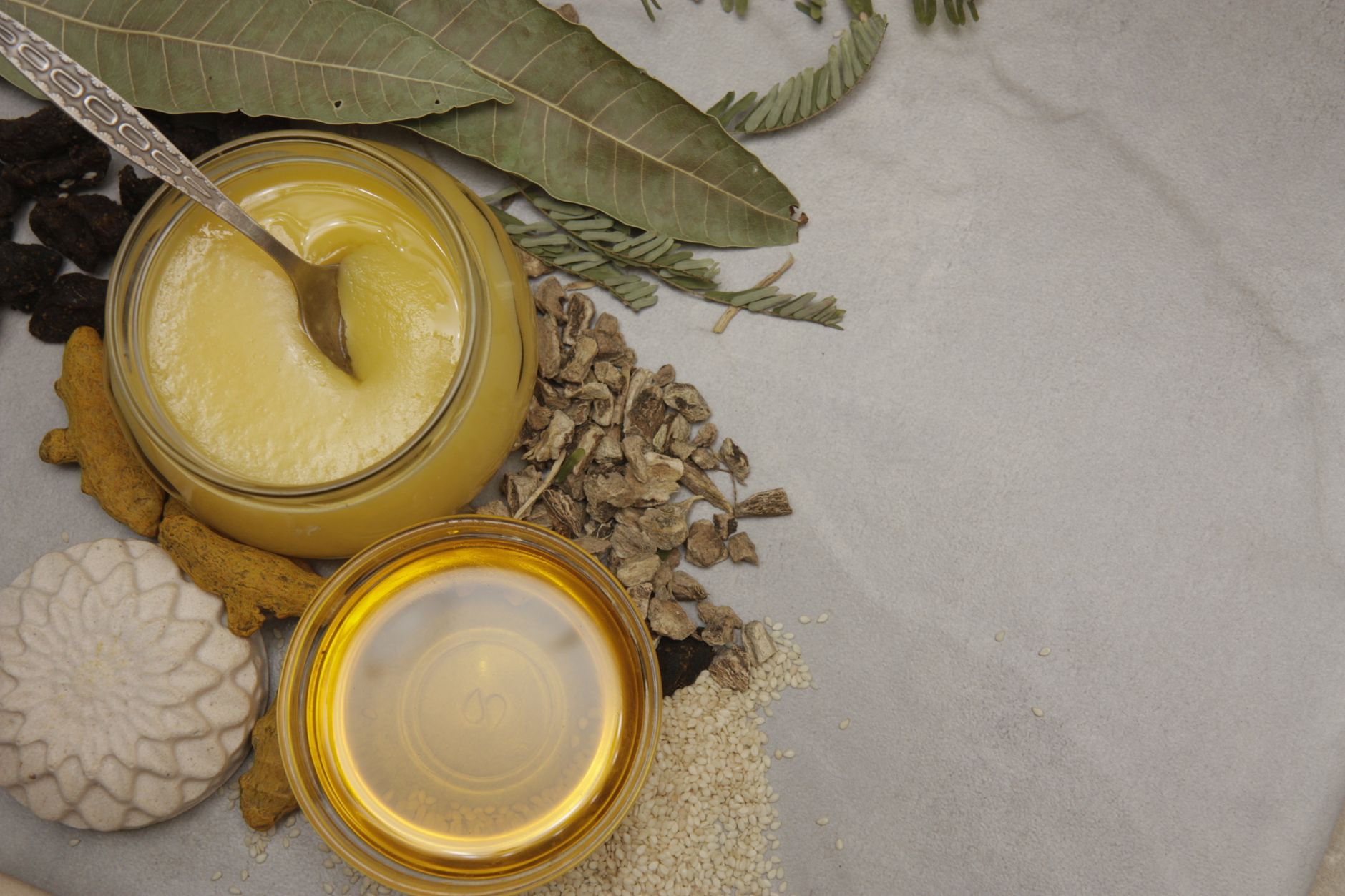
Ghee, a type of clarified butter widely used in Indian cuisine, has gained popularity for its rich flavor and health benefits. Understanding how to store ghee properly can help maintain its quality and flavor. This article addresses the question of whether ghee needs to be refrigerated and provides comprehensive guidance on storage, shelf life, and usage.
Unlike regular butter, ghee has a higher smoke point and a longer shelf life. However, proper storage is essential to ensure it remains fresh and flavorful. Read on to learn more about ghee’s storage needs, how to recognize spoilage, and tips for using ghee in your cooking.
Does Ghee Need To Be Refrigerated?
No, ghee does not need to be refrigerated. When stored correctly, ghee can last several months at room temperature without spoiling due to its low moisture content. However, refrigeration can extend its shelf life even further if you prefer that method.
Understanding Ghee
Ghee is a traditional cooking fat made by slowly simmering unsalted butter to separate its milk solids and water content. This process creates a rich, nutty flavor and enhances its nutritional benefits. Ghee is lactose-free, making it suitable for those with lactose intolerance. It is also rich in butyrate, a short-chain fatty acid known for its anti-inflammatory properties.
The Production Process of Ghee
- Start with unsalted butter.
- Slowly melt the butter over low heat, allowing it to simmer gently.
- As it simmers, the butter will separate into three layers: foam on top, clear golden liquid in the middle, and milk solids at the bottom.
- Skim off the foam, then continue cooking until the milk solids at the bottom turn golden brown and settle.
- Remove it from heat and strain the clear liquid through a cheesecloth to separate the milk solids.
- Cool the strained ghee and transfer it to an airtight container for storage.
How to Store Ghee Properly
Since ghee has a long shelf life when stored correctly, follow these guidelines to maintain its quality:
Room Temperature Storage
- Keep ghee in an airtight container to prevent moisture and contaminants from getting in.
- Store it in a cool, dry place away from direct sunlight and heat sources.
- Ghee stored in this manner can last for up to 3 months.
Refrigeration Storage
- Refrigeration is not necessary but can extend ghee’s shelf life up to a year.
- Store it in an airtight container to avoid absorbing odors from other foods.
- Note that ghee may solidify in the refrigerator. You can let it sit at room temperature to soften or scoop it directly from the container with a clean utensil.
Signs of Spoilage
While ghee is highly resistant to spoilage, it can still go bad. Look for these signs:
- Rancid smell: A sour or off odor indicates spoilage.
- Off taste: If the ghee tastes bitter or has an unusual flavor, it is best to discard it.
- Discoloration: Ghee should maintain a consistent golden color; any darkening may signal spoilage.
The Benefits of Not Refrigerating Ghee
Keeping ghee at room temperature promotes ease of use, especially for cooking and baking. Here are some advantages:
- Speed: Ghee is ready to use without waiting for it to soften, making cooking more efficient.
- Texture: Refrigerated ghee may solidify, altering its texture for spreading or cooking.
- Flavor: Storing ghee at room temperature retains its rich, nutty flavors better than refrigerating.
Using Ghee in Cooking
Ghee is a versatile cooking fat that can enhance many dishes. Here are some common uses:
1. Sautéing and Frying
Ghee has a high smoke point of around 485°F (250°C), making it ideal for frying and sautéing. Use it for cooking vegetables, proteins, or stir-fries to impart a rich flavor.
2. Baking
Substitute ghee in recipes that call for butter or oil. Keep in mind that ghee’s flavor is slightly nuttier, which may alter the overall taste of baked goods positively.
3. Spreading
Use ghee as a spread on toast, pancakes, or muffins for a flavorful alternative to butter.
4. Flavoring Grains and Legumes
Add ghee to cooked rice, quinoa, or lentils to enhance their flavor and richness.
Substituting Ghee in Recipes
If you find yourself without ghee, you can use several alternatives. Here are some reliable substitutions:
- Butter: The closest substitute, but be cautious of its higher moisture content.
- Coconut Oil: Provides a similar richness and is a dairy-free alternative.
- Olive Oil: Has a distinct flavor profile but can work for sautéing or as a finishing oil.
What Happens When You Substitute?
Each alternative affects flavor and texture differently. For instance, butter will add moisture, possibly altering the outcome of baked goods. Coconut oil will provide a tropical hint, while olive oil will bring a fruity taste; it’s essential to choose based on the dish you are preparing.
Common Mistakes When Using Ghee
Understanding how to incorporate ghee into your cooking can prevent common errors:
- Not allowing ghee to melt fully: Ensure that ghee is fully melted before adding other ingredients to avoid clumping.
- Using too high a heat: While ghee has a high smoke point, overheating it can lead to burning. Monitor the temperature during cooking.
- Neglecting to store properly: Leaving ghee exposed to heat or moisture can lead to spoilage quickly.
Conclusion
Ghee offers a unique and rich flavor that enhances many dishes, and it can be conveniently stored without refrigeration for a considerable time. Ensuring proper storage, recognizing signs of spoilage, and using it creatively in your cooking can help you fully enjoy this delightful ingredient. Whether you’re sautéing vegetables, baking treats, or adding flavor to grains, ghee is a versatile option for any kitchen.
For a deeper understanding of ghee’s health benefits, explore whether ghee is healthy, or learn how to make it yourself with our clarified butter recipe.