
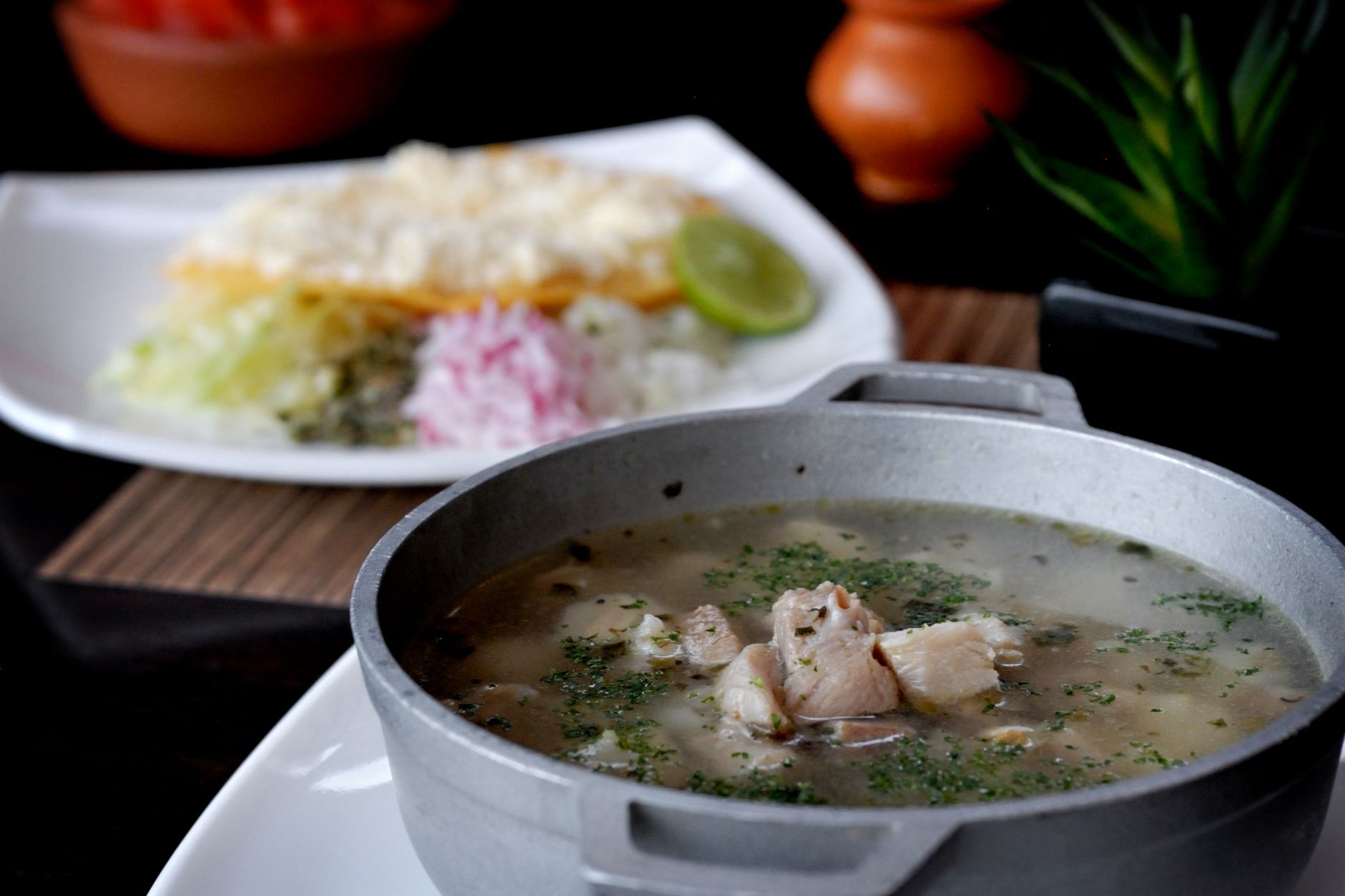
Pozole is a traditional Mexican soup known for its hearty and comforting qualities, featuring hominy alongside various meats and rich seasonings. The question of whether pozole is healthy depends on the ingredients used and portion sizes. This article will explore the nutritional aspects of pozole, ingredient choices, and how it fits into a balanced diet.
As a dish that can be tailored to individual dietary preferences, pozole offers versatility in its preparation. We will cover its health benefits, potential drawbacks, and considerations for making a healthier version of this beloved meal.
What Are the Health Benefits of Pozole?
Pozole has various health benefits owing to its primary ingredients, including hominy (dried maize kernels treated with an alkali). Let’s delve into some of the notable advantages:
- Rich Source of Fiber: Hominy is packed with dietary fiber, promoting digestive health and aiding in maintaining a feeling of fullness. Increased fiber intake is often associated with improved heart health.
- Protein Content: Depending on the meat you choose—such as chicken, pork, or turkey—pozole can be a good source of complete protein, essential for muscle repair and growth.
- Vitamins and Minerals: Ingredients like onions, garlic, and toppings such as lettuce, radishes, or avocado provide important vitamins and minerals, contributing to overall nutrition.
- Low in Calories (if prepared wisely): A light version of pozole can be lower in calories, especially when using lean meats and limiting the amount of added fats.
- Hydration: Since pozole is a soup, it contributes to your daily fluid intake, helping to keep you hydrated.
Are There Any Drawbacks to Eating Pozole?
While pozole has its benefits, there are also considerations to keep in mind:
- Sodium Levels: Commercially prepared or canned versions of pozole may contain high levels of sodium, which can increase blood pressure and risk of heart disease. Homemade versions allow for sodium control.
- Caloric Density: If made with fatty cuts of meat or heavy toppings, pozole can become calorie-dense, potentially leading to weight gain if consumed in excess.
- Allergen Considerations: Those with corn allergies or gluten intolerance (if using wheat-based toppings) should exercise caution with traditional recipes.
Ingredients in Pozole: A Closer Look
The core ingredients in pozole are critical to determining its healthfulness. Here are the primary components:
Hominy
Hominy serves as the base of pozole. It is made from dried corn kernels that have undergone nixtamalization, making it easier to digest and increasing nutrient availability. Whole grain options are more nutrient-dense than refined varieties.
Meats
You can use various meats in pozole, including:
- Chicken: Lean chicken is lower in fat and calories compared to other meats.
- Pork: Traditional in many recipes, pork adds rich flavor, but opting for lean cuts can help reduce overall fat content.
- Turkey: Another lean protein option, turkey can create a similar flavor profile.
Broth and Seasonings
The broth enhances the flavor and nutritional profile of pozole. Common seasonings include:
- Garlic and Onions: These add flavor and provide antioxidants.
- Chilies: These contribute heat and a range of vitamins and minerals.
- Herbs: Fresh cilantro and oregano can enhance flavor without adding unnecessary calories.
Toppings
Toppings are where pozole can be personalized. Traditional options include:
- Lettuce or Cabbage: These add a crispy texture and extra fiber.
- Radishes: Sliced radishes contribute crunch and antioxidants.
- Avocado: Provides healthy fats and enhances creaminess.
- Onions and Lime: These add brightness and acidity to balance flavors.
How to Make Pozole Healthier
Improving the health profile of your pozole can be achieved through thoughtful cooking methods and ingredient selection. Here are some practical tips:
Choose Lean Meats
Opt for lean cuts of meat or even plant-based proteins to reduce saturated fats. Removing excess fat from meat cuts before cooking can also lower overall fat content.
Make Your Own Broth
Homemade broth allows you to control sodium levels and avoid additives found in store-bought versions. Simmer bones or vegetable scraps with herbs and spices for a flavorful base.
Limit High-Calorie Toppings
Use toppings judiciously. Keep the portions in check for calorie-dense ingredients like cheese and crema, focusing on lighter, vegetable-based toppings.
Increase Vegetable Content
Add more vegetables to your pozole, such as carrots, zucchini, or spinach, to enhance fiber, vitamins, and minerals while keeping calories low.
Control Portions
Being mindful of serving sizes can help prevent overeating. Consider offering smaller bowls, especially if you’re serving rich, hearty versions of the soup.
How to Prepare Pozole: A Basic Recipe
Now that you understand the components and health considerations of pozole, let’s look at a basic recipe. This version of pozole rojo features chicken as the meat of choice and a rich red broth:
Recipe Overview
Yield: 6-8 servings
Preparation Time: 30 minutes
Cooking Time: 2 hours
Total Time: 2 hours 30 minutes
Ingredients
- 2 pounds of chicken (thighs or breasts)
- 8 cups of low-sodium chicken broth (homemade preferred)
- 2 cans (15 ounces each) of hominy, drained and rinsed
- 1 medium onion, chopped
- 4 cloves of garlic, minced
- 2-3 dried chilies (such as guajillo or ancho), seeds removed
- 1 tablespoon of cumin
- Salt and pepper, to taste
- Toppings: shredded cabbage, radishes, diced avocado, lime wedges, fresh cilantro
Essential Equipment
- Large soup pot
- Blender or food processor
- Cutting board and knives
- Spoon for stirring
Cooking Method
- In a large pot, combine the chicken, onion, garlic, and 8 cups of chicken broth. Bring to a boil over medium-high heat. Reduce heat to low and simmer for about 30 minutes, or until the chicken is cooked through.
- Remove the chicken from the pot, and let it cool slightly. Shred the meat into bite-sized pieces and return it to the pot.
- In a blender, combine the chilies with a small amount of broth (from the soup pot) and blend until smooth. Return the blended chilies to the pot.
- Add the drained hominy, cumin, salt, and pepper. Simmer the pozole for another 30-40 minutes to allow the flavors to meld.
- Serve hot with a variety of toppings such as shredded cabbage, radishes, diced avocado, lime wedges, and fresh cilantro.
Common Mistakes to Avoid When Making Pozole
When preparing pozole, here are some common pitfalls to be aware of:
- Not Soaking the Hominy: If using dried hominy, soaking is essential for even cooking. Ensure it’s soaked overnight or at least for 8 hours before using.
- Overcooking the Meat: Overcooked chicken can become tough. Aim for just cooked through and tender pieces.
- Skipping the Blend: Blending the chilies may seem like an extra step, but it ensures a smooth incorporation into the broth and enhances the flavor.
- Ignoring Seasoning: Taste and adjust seasoning throughout the cooking process to achieve the desired flavor profile.
Storage and Reheating Pozole
When it comes to storing pozole, follow these guidelines to ensure it remains safe and tasty:
- Let the pozole cool completely before transferring it to an airtight container.
- Store in the refrigerator for up to 3-4 days. For longer storage, consider freezing it for up to 3 months.
- When reheating, do so on the stovetop or in the microwave, ensuring it reaches an internal temperature of 165°F.
- Note that some toppings (like fresh avocado) can change texture when stored, so it’s best to add them just before serving.
Final Thoughts on Pozole’s Healthfulness
Pozole can be a nutritious and flavorful dish when prepared thoughtfully. By selecting the right ingredients and cooking methods, you can enjoy this traditional soup without compromising your health. It stands as a versatile meal option, suitable for various dietary preferences while providing a comforting and satisfying dining experience.
Now that you’re armed with information on making a healthier pozole, consider adding this delicious recipe to your meal rotation. If you want to explore more variations, check out this Pozole Verde Recipe for an exciting twist on the classic.