
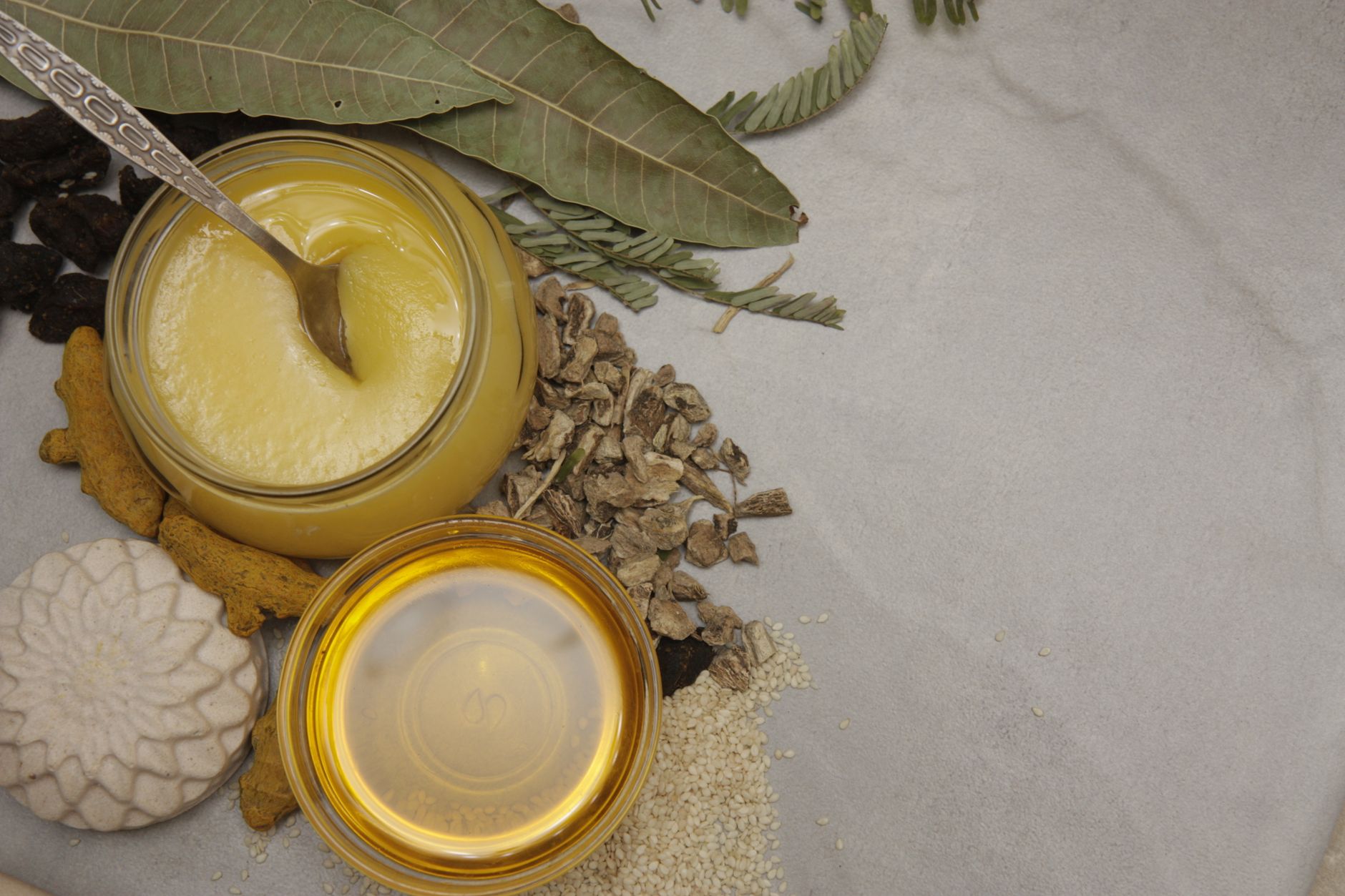
Ghee, a form of clarified butter prominent in Indian cuisine, has gained popularity worldwide as a cooking fat. But is it healthy? This article delves into the nutritional profile of ghee, its culinary uses, potential health benefits, and how it compares with other fats. By the end, you’ll understand whether ghee deserves a place in your kitchen.
We will also explore how to incorporate ghee into your meals and the different dietary considerations associated with it. Let’s dive into the health implications of ghee and see how it fits into a balanced diet.
Is Ghee Healthy?
Ghee is generally considered a healthy fat when consumed in moderation. It is rich in beneficial nutrients like vitamins A, E, and K, and contains conjugated linoleic acid (CLA), which may offer several health advantages. However, its high saturated fat content means it should be consumed mindfully.
What Is Ghee?
Ghee is made by simmering butter to separate the milk solids and water from the fat, resulting in a clear, rich oil. It has a distinctive nutty flavor and a high smoke point, making it suitable for sautéing and frying. This process further enhances its properties, as ghee is free from lactose and casein, making it a good option for those with dairy sensitivities.
Nutritional Profile of Ghee
Understanding the nutritional content of ghee helps assess its health implications. Here’s a breakdown per tablespoon (14 grams):
| Nutrient | Amount |
|---|---|
| Calories | 120 |
| Total Fat | 14 g |
| Saturated Fat | 9 g |
| Monounsaturated Fat | 4 g |
| Polyunsaturated Fat | 0.5 g |
| Vitamin A | 8% of the Daily Value (DV) |
| Vitamin K | 1% of the DV |
| Vitamin E | 1% of the DV |
Health Benefits of Ghee
Ghee is associated with several potential health benefits, although it should always be incorporated into a balanced diet.
1. Rich in Healthy Fats
Ghee contains a mix of saturated and unsaturated fats. While saturated fats have been criticized, emerging research indicates that they may not be as harmful as once thought when consumed in moderation. The presence of healthy fats promotes energy and supports cellular functions.
2. High in Antioxidants
Ghee is rich in antioxidants, which help combat oxidative stress in the body. The vitamins A, E, and K present in ghee contribute to its antioxidant properties. These nutrients play roles in maintaining healthy vision, immune function, and proper blood clotting.
3. Supports Digestive Health
Ghee contains butyrate, a short-chain fatty acid beneficial for gut health. Butyrate has been shown to support the lining of the intestines, which may help reduce inflammation and support overall digestive function.
4. Lactose-Free
For those on a lactose-free diet or who are sensitive to dairy, ghee is often a suitable alternative. During the clarification process, the lactose and casein are removed, making ghee easier to digest for some people.
5. May Support Weight Loss
Some studies suggest that the presence of CLA in ghee may aid in weight management. CLA is believed to enhance fat metabolism and reduce fat storage, although more research is needed to confirm these effects conclusively.
Potential Downsides of Ghee
Despite its benefits, ghee should be approached with caution due to its high saturated fat content.
1. High Calorie Density
Ghee is calorie-dense, meaning that it can contribute to weight gain if consumed in excess. Moderation is key, particularly for individuals monitoring calorie intake.
2. Saturated Fat Concerns
While some saturated fat is necessary for health, excessive intake has been linked to increased LDL cholesterol levels and potential heart disease risk. It’s crucial to balance ghee consumption with other healthier fats, such as those found in olive oil, nuts, and avocados.
3. Allergic Reactions
Even though ghee is generally safe for those with lactose intolerance, some people may still experience allergic reactions if they are sensitive to dairy proteins. It is advisable to check with a healthcare provider if you have concerns.
How to Use Ghee in Cooking
Incorporating ghee into your meals is easy, thanks to its versatility. Here are some practical applications:
- Sautéing and Stir-Frying: Use ghee for cooking vegetables, meats, or other dishes that require high heat.
- Baking: Substitute ghee for butter in baking recipes, keeping in mind the flavor change and texture. It may yield a more pronounced nutty profile in your baked goods.
- Spreading: Spread ghee on toast, pancakes, or muffins as a flavorful alternative to butter.
- Rice and Grains: Add ghee to cooked rice, quinoa, or other grains for a rich flavor enhancement.
- Condiments: Use ghee in salad dressings or drizzled over roasted vegetables for extra taste.
Recipes Featuring Ghee
Incorporating ghee into your diet doesn’t have to be difficult. Here are a couple of simple recipes that highlight ghee’s flavor and nutritional benefits:
1. Ghee Rice
This colorful, fragrant rice dish is an excellent side for any meal.
- Ingredients:
- 1 cup basmati rice
- 2 tablespoons ghee
- 1 small onion, finely chopped
- 2 cloves garlic, minced
- 1 teaspoon cumin seeds
- 2 cups water
- Salt to taste
- Rinse the basmati rice under cold water until the water runs clear. Soak for 30 minutes, then drain.
- In a pot, heat ghee over medium heat and add cumin seeds. Once they crackle, add the chopped onion and garlic, sautéing until golden.
- Add the drained rice and stir gently for a couple of minutes, ensuring every grain is coated with ghee.
- Pour in the water and add salt. Bring to a boil, then reduce heat, cover, and simmer for 15 minutes or until the rice is cooked and the water is absorbed.
2. Ghee Roasted Vegetables
This recipe demonstrates how ghee adds flavor to roasted vegetables.
- Ingredients:
- 2 cups mixed vegetables (carrots, broccoli, bell peppers)
- 3 tablespoons ghee, melted
- Salt and pepper to taste
- 1 teaspoon dried herbs (thyme or rosemary)
- Preheat the oven to 425°F (220°C).
- In a bowl, combine the mixed vegetables with melted ghee, salt, pepper, and dried herbs.
- Spread the vegetables evenly on a baking sheet and roast for 25-30 minutes or until tender and golden brown, stirring halfway through.
How to Store Ghee
Proper storage can extend the shelf life of ghee. Here are some tips:
- Store ghee in a cool, dark place. It can also be kept in the refrigerator for extended freshness.
- Use a clean, dry spoon for scooping to avoid introducing moisture.
- Ghee can last for several months at room temperature and up to a year in the fridge.
Practical Considerations
When deciding whether to incorporate ghee into your diet, keep the following points in mind:
- Moderation: While ghee has health benefits, stick to moderate amounts to avoid excessive calorie and saturated fat intake.
- Dietary Balance: Combine ghee with various sources of healthy fats to create a balanced diet. Include olive oil, avocados, nuts, and seeds for diversity in nutrients.
- Personal Preferences: Each individual’s dietary needs and restrictions can vary. Consult a healthcare provider or dietitian for tailored advice.
Whether you’re looking for an alternative cooking fat or exploring new flavors, ghee can be a delightful addition to your kitchen. Embrace its culinary uses while being mindful of portion sizes.
In summary, ghee can be a healthy option when used appropriately within a well-rounded diet. It offers a host of culinary properties and potential health benefits while being versatile in the kitchen. As with any ingredient, understanding its role in your overall dietary framework is essential for maximizing its advantages.
For further exploration, consider trying out a clarified butter recipe or a creamy chia pudding with coconut milk. Both recipes offer unique textures and tastes that align well with ghee’s rich flavor profile.