
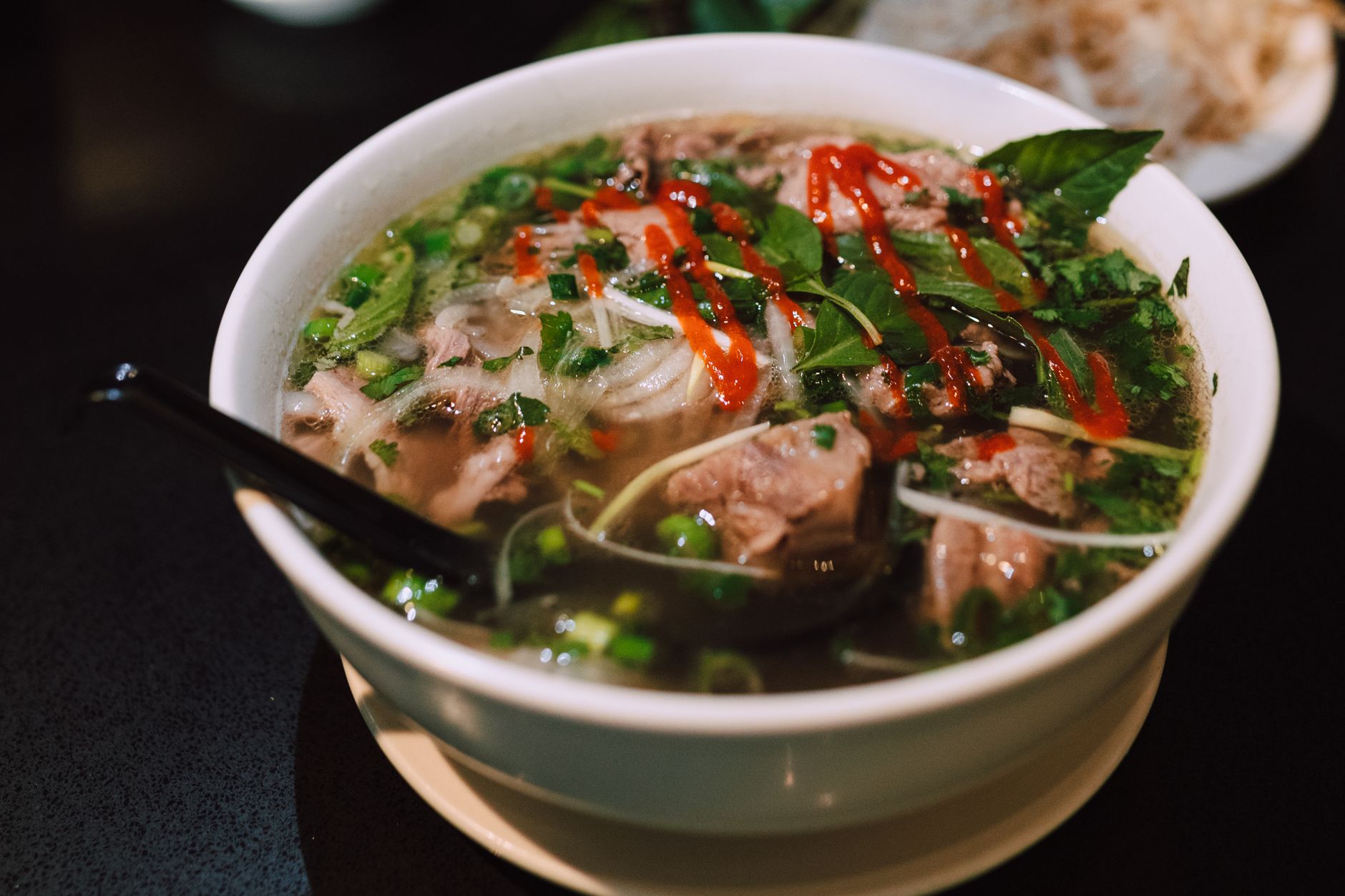
Pho is a beloved Vietnamese noodle soup that combines savory broth, fresh herbs, spices, and a variety of proteins served over rice noodles. Commonly enjoyed as a hearty meal, pho offers a delicious mix of flavors and textures that many have come to love. However, as with many dishes, understanding its caloric content can help guide those mindful of their diet.
In this article, we will explore how many calories are in pho, the components that contribute to its caloric content, and factors that can affect the overall nutrition of the dish. This will provide a comprehensive view for anyone looking to enjoy pho while being mindful of their food intake.
How Many Calories Are In Pho?
The caloric content of pho can vary widely based on its ingredients, portion size, and preparation methods. On average, a standard bowl of chicken pho (approximately 400-500 ml) contains around 350 to 600 calories. Beef pho may have a slightly higher caloric value due to the fatty cuts of beef often used, typically ranging from 450 to 700 calories.
Understanding the individual components of pho can provide further insight into its nutrition. The primary ingredients include:
- Rice noodles
- Broth (typically beef or chicken)
- Proteins (such as chicken, beef, tofu, or seafood)
- Herbs (like basil, cilantro, and mint)
- Vegetables (such as bean sprouts and lime)
- Condiments (like hoisin sauce and sriracha)
The Components of Pho: Caloric Breakdown
To better understand how the individual ingredients impact the overall caloric content of pho, let’s break down the main components
1. Rice Noodles
Rice noodles are the foundation of pho and can contribute a significant portion of the calories. A standard serving of rice noodles (about 60-80 grams dry) typically provides approximately 210 calories. The carbohydrates in the noodles provide energy, making them a vital part of the dish.
2. Broth
The broth is the flavor base of pho, often made by simmering beef bones, chicken bones, or both with various spices for several hours. A cup of beef broth contains roughly 70-100 calories, while chicken broth may have a similar caloric value. The choice between beef and chicken broth can change the caloric content slightly, with beef broth generally being richer and potentially higher in calories.
3. Proteins
Proteins in pho can vary, including options like beef brisket, chicken breast, or tofu. Here’s a breakdown of the caloric contribution from popular protein sources:
- Beef brisket (approximately 85 grams): 250-300 calories
- Chicken breast (approximately 85 grams): 165-200 calories
- Tofu (approximately 85 grams): 80-100 calories
The choice of protein can significantly impact the total calories in pho.
4. Herbs and Vegetables
The fresh herbs and vegetables served with pho add minimal calories but are packed with nutrients. For instance:
- Basil (1 oz): 5 calories
- Cilantro (1 oz): 1 calorie
- Mint (1 oz): 5 calories
- Bean sprouts (1 cup): 9 calories
- Lime (1 medium): 20 calories
While these ingredients may seem insignificant, they enhance the flavor of pho and add nutritional value.
5. Condiments
Common condiments in pho, such as hoisin sauce and sriracha, can also add calories. Here’s a quick overview:
- Hoisin sauce (1 tablespoon): 35 calories
- Sriracha (1 teaspoon): 5-10 calories
Using these condiments in moderation can help keep the calorie count in check.
Factors That Impact Caloric Content
Several factors can influence the caloric content of pho, including:
1. Portion Size
The size of the serving can vary widely. A large bowl may contain 50% more noodles and broth than a standard serving, thereby increasing the caloric count by 200-400 calories or more.
2. Cooking Method
Homemade versus restaurant-prepared pho can lead to different caloric values. Restaurant versions may use richer broths or additional fats, while homemade versions can be made with lighter ingredients.
3. Variations in Ingredients
Substituting lean proteins for fatty cuts or omitting certain condiments can lower the overall calorie count. For instance, opting for chicken breast instead of beef brisket will significantly reduce calories.
How to Reduce Calories in Pho
If you’re looking to enjoy pho while reducing its caloric content, consider these tips:
- Choose a lean protein source, such as skinless chicken or tofu.
- Limit the amount of noodles, or replace some with additional vegetables.
- Use a homemade broth that can be adjusted to use less fat.
- Be mindful of how much hoisin sauce and other condiments you add.
- Opt for a smaller serving size when dining out.
Practical Serving Suggestions
Pho is often enjoyed as a one-bowl meal but can be complemented with other dishes or sides for a more varied meal. Here are some practical suggestions:
- Serve with a side of fresh spring rolls for a lighter appetizer.
- Pair with a simple green salad dressed with lime juice to add freshness.
- Offer a selection of additional vegetables, such as bok choy or spinach, to enhance nutritional content.
Making Pho at Home: A Caloric Perspective
Preparing pho at home allows you to control the ingredients and caloric content more effectively. Here are some essentials you’ll need along with a basic overview of the cooking process:
Essential Ingredients
- Beef or chicken bones (for broth)
- Rice noodles
- Fresh herbs (basil, cilantro, mint)
- Sliced meat (chicken or beef)
- Vegetables (bean sprouts, lime)
- Spices (star anise, cloves, cinnamon)
- Hoisin sauce and sriracha (for serving)
Basic Cooking Method
- Begin by simmering bones with spices and water for several hours to form a rich broth.
- Cook the rice noodles according to package instructions and set aside.
- Once the broth is ready, strain it to remove solids, and return it to the pot.
- Add the sliced proteins to the hot broth to cook through.
- In a bowl, add the cooked noodles, pour broth over, and top with fresh herbs and vegetables.
- Serve with condiments like hoisin sauce and sriracha on the side.
This homemade version allows for better control of calories by choosing lean meats and limiting the levels of added fats.
Storage and Reheating Tips
Storing leftover pho is straightforward but should be done carefully to maintain flavor and quality:
- Store broth and noodles separately to prevent the noodles from becoming soggy.
- Broth can be refrigerated for up to four days or frozen for a longer period.
- To reheat, warm the broth gently on the stove, and cook the noodles in boiling water just until heated through.
Conclusion
Pho is a delicious and comforting dish that can fit various dietary preferences depending on how it is prepared and served. Knowing the caloric content of pho can help you enjoy it while maintaining a balanced diet. Always be mindful of ingredient choices, portion sizes, and cooking methods to create a pho that suits your nutritional goals.
For continued cooking explorations, check out the article on the taste of pho for flavor insights, or try out the creamy ramen recipe for a different noodle experience. Happy cooking!