
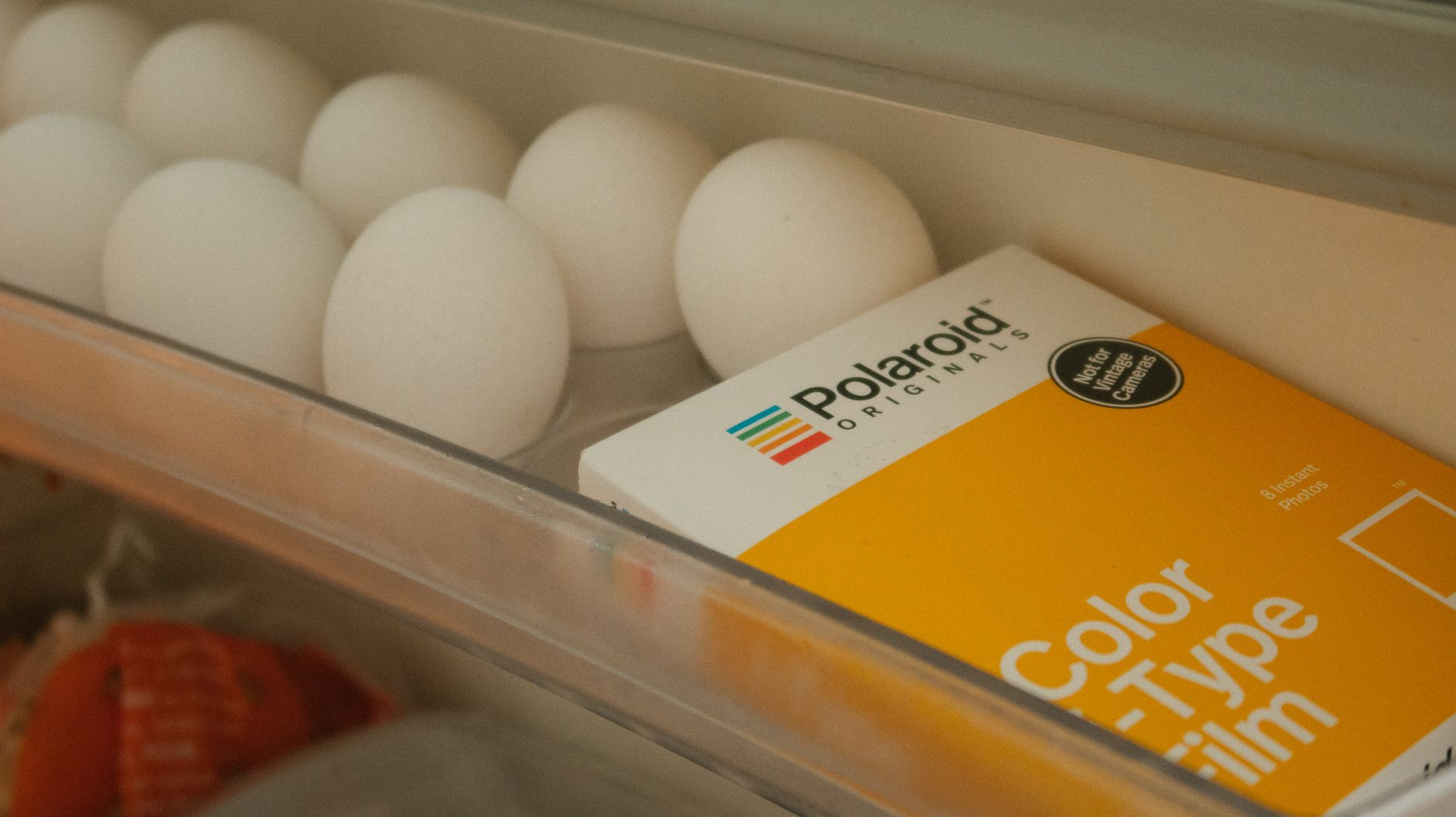
Eggs are a staple in many households, known for their versatility, nutritional value, and ability to enhance a variety of dishes. However, knowing how long you can safely keep eggs in the refrigerator is crucial for both food safety and quality. In this article, we’ll explore the shelf life of eggs, how to store them properly, and tips to determine their freshness.
Understanding egg storage can help you avoid waste and ensure your culinary creations are safe to consume. Let’s dive into the details of egg shelf life, storage practices, and best practices for using eggs effectively.
How Long Can You Keep Eggs In The Refrigerator?
You can generally keep eggs in the refrigerator for three to five weeks after purchasing them. However, for optimal quality and safety, it is best to consume eggs within this timeframe. Fresh eggs can still be good for some time after the expiration date if stored properly.
Understanding Egg Freshness
Egg freshness is key to determining their longevity. Fresh eggs have a firmer white and a round yolk, while older eggs may have a flatter white and a yolk that breaks easily. Here’s what to know:
Eggs vs. Expiration Dates
In the U.S., egg cartons include a “best by” or “sell by” date. These dates are not the same as an expiration date, and eggs can still be good after these dates if stored correctly. Typically, eggs can remain fresh for 3-5 weeks beyond the “sell by” date.
Egg Float Test
A simple method to test an egg’s freshness is the float test. Fill a bowl or glass with water and gently place the egg in it:
- If the egg sinks to the bottom and lays flat, it is very fresh.
- If it stands upright on the bottom, it is still safe to eat, but should be used soon.
- If it floats to the top, discard it as it is no longer safe to eat.
Proper Egg Storage Techniques
How you store your eggs can significantly affect their longevity. Here are some important storage tips:
Keep Them in the Original Carton
Store eggs in their original carton to protect them from absorbing odors and flavors from other foods. The carton also helps to limit exposure to light and bacteria.
Refrigeration Temperature
Maintain your refrigerator temperature at or below 40°F (4°C). This helps inhibit the growth of bacteria and keeps eggs fresher for a longer period.
Store Away from the Door
Eggs should be stored toward the back of the refrigerator rather than in the door. The temperature is more stable in the back, which helps maintain freshness.
Signs That Eggs Have Gone Bad
Even with proper storage, it’s essential to check eggs for spoilage regularly. Here are some signs that indicate an egg is no longer good:
- Unpleasant odor: A sulfuric smell is a clear sign that the egg has spoiled.
- Discoloration: Unusual spots or discoloration on the shell can indicate mold or bacterial growth.
- Uneven texture: If the egg feels slimy or sticky when cracked, it may be spoiled.
Creative Ways to Use Eggs Before They Expire
If you’re nearing the end of your eggs’ shelf life, consider these creative ways to use them up:
Scrambled Eggs
A classic breakfast option that can be easily jazzed up with vegetables, cheese, or spices. Scrambled eggs are quick to prepare, making them a perfect choice for busy mornings.
Egg Dishes for Dinner
Consider a frittata or quiche, utilizing ingredients you already have in your fridge. Both dishes allow for endless variations to suit your taste and reduce food waste.
Baking
Eggs are a key ingredient in many baked goods, such as cakes, cookies, and bread. Baking with eggs nearing their expiration date allows you to create delicious treats while preventing waste.
Storing Cooked Eggs
Cooked eggs can also be stored safely for a limited time. Here are some guidelines:
Refrigerated Cooked Eggs
Cooked eggs should be stored in an airtight container and can last for up to one week in the refrigerator. Make sure to cool them down before storing to prevent moisture buildup.
Freezing Cooked Eggs
For longer storage, cooked eggs can be frozen. However, be mindful that the texture may change. Scrambled eggs freeze well, while boiled eggs may become crumbly. Use freezer-safe containers or bags and store them for up to six months.
Common Mistakes to Avoid When Storing Eggs
Here are some common pitfalls in egg storage and how to avoid them:
Leaving Eggs at Room Temperature
Store eggs in the refrigerator, as room temperature can promote bacterial growth and spoilage.
Using Expired Eggs
Always check the freshness of your eggs before use, even if they seem okay. Consuming spoiled eggs can lead to foodborne illnesses.
Ignoring the Shell
Always rinse eggs before use. A clean shell won’t contaminate the egg’s interior when cracked open. However, avoid washing eggs pre-storage, as moisture can encourage bacteria growth.
Conclusion
When it comes to keeping eggs in the refrigerator, proper storage and regular freshness checks are paramount. Remember that you can generally enjoy eggs for three to five weeks after purchase if they are stored correctly. Testing their freshness using the float method can help ensure you’re using good eggs.
For practical tips on egg storage, check out our guide on when eggs go bad or learn about the caloric content in scrambled eggs at how many calories in scrambled eggs. This knowledge not only helps you avoid waste but also enhances your cooking experience.