
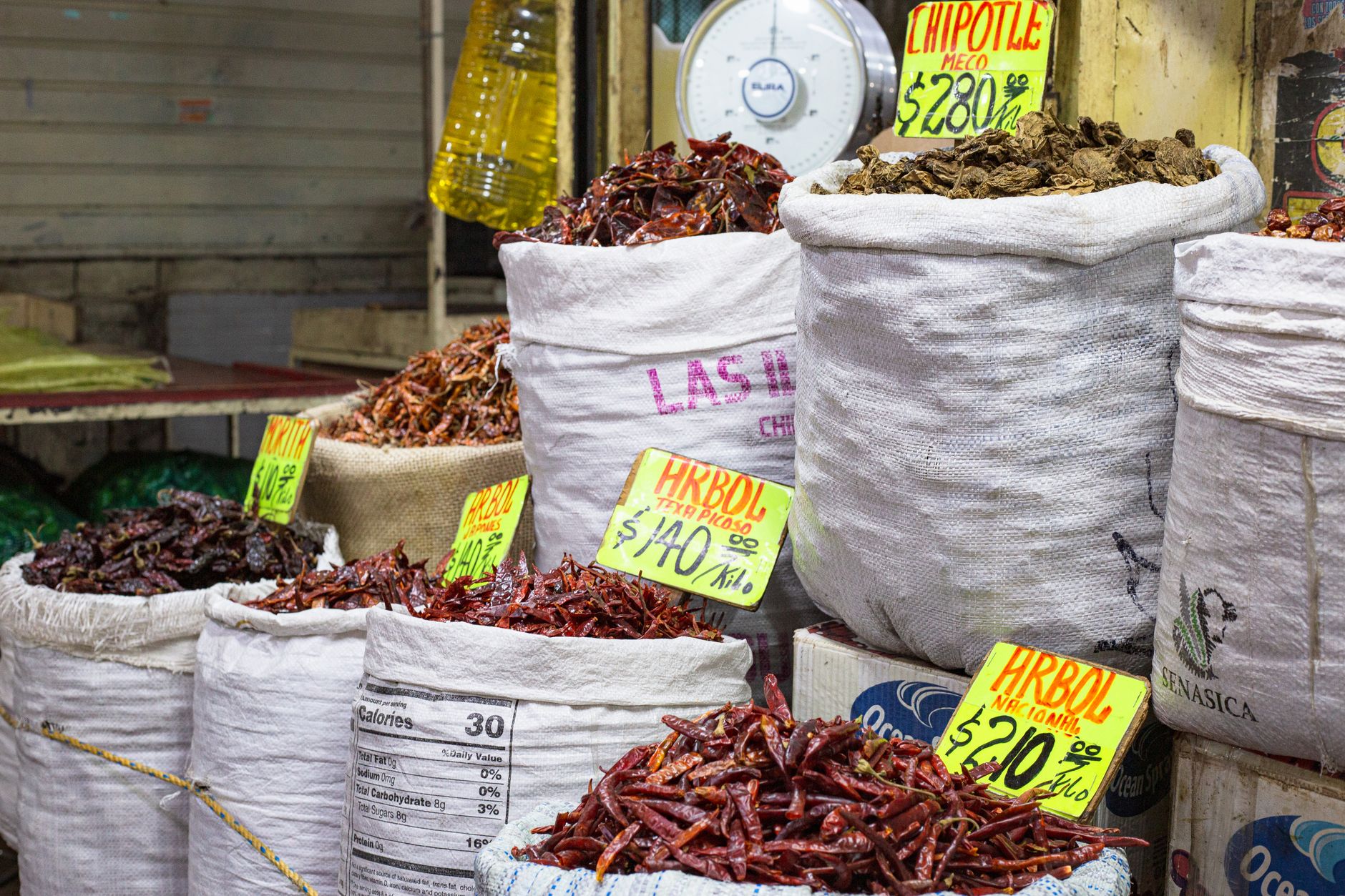
Chipotle peppers are a popular ingredient known for their unique smoky flavor and moderate heat. These peppers are dried and smoked jalapeño peppers, making them a staple in many cuisines, especially Mexican. Understanding chipotle peppers can elevate your cooking, adding depth to sauces, marinades, and other dishes.
In this article, we will explore the characteristics of chipotle peppers, their culinary uses, how to choose and store them, and ways to incorporate them into meals. Whether you’re a novice home cook or a seasoned chef, chipotle peppers can add a new dimension of flavor to your dishes.
What Is a Chipotle Pepper?
Chipotle peppers are jalapeño peppers that have been harvested, dried, and smoked. This process gives them their distinctive smoky aroma and enhances their natural sweetness. Chipotles are often used in Mexican cuisine but have gained popularity worldwide, embraced for their ability to add richness to various dishes.
Chipotle peppers can be found in different forms, including whole dried peppers, powdered chipotle (chipotle powder), and as part of chipotle sauce. The heat level of chipotle peppers ranges from 2,500 to 8,000 Scoville Heat Units (SHU), making them moderately spicy, but their flavor is complex, offering a sweet, earthy, and smoky taste profile.
Different Types of Chipotle Peppers
Not all chipotle peppers are created equal; the type of pepper and how they are prepared can vary significantly.
1. Chipotle Morita
Morita chipotles are the more common variety, characterized by a dark red-brown color. They are smoked in a way that retains some of the fruitiness of the jalapeño. Morita chipotles tend to be slightly sweeter and less spicy than their other counterpart, the Chipotle Campechano.
2. Chipotle Campechano
Campechano chipotles are lighter in color and have a more robust smoky flavor. These are typically less sweet and can have a stronger heat. They are often used in salsas and more complex sauces.
Culinary Uses of Chipotle Peppers
Chipotle peppers can be integrated into various dishes, enhancing their flavors significantly. Here are some common culinary uses:
- Soups and Stews: Chipotle can add depth to soups like black bean soup or chili, providing warmth and richness.
- Sauces and Marinades: Incorporate chipotle into barbecue sauces, aioli, or salad dressings to give a smoky undertone.
- Salsas: Chipotle peppers enhance fresh salsas, giving them a delightful kick with a smoky flavor.
- Meat Dishes: Use chipotle in marinades for meats such as chicken, pork, or beef to infuse smokiness and heat.
- Vegetarian Dishes: Chipotles work well with grains and vegetables, enriching veggie chili or roasted vegetable dishes.
How to Choose and Store Chipotle Peppers
When buying chipotle peppers, consider the form they’re in. Here are some guidelines to help you select the right chipotle pepper.
Choosing Chipotle Peppers
- Whole Dried Chipotles: Look for evenly colored peppers that feel firm and intact. Avoid any with signs of moisture, as this can indicate spoilage.
- Chipotle Powder: Opt for a finely ground powder with a deep reddish-brown color. Ensure it has been stored properly to prevent clumping.
- Chipotle in Adobo Sauce: This canned form contains chipotle peppers in a flavorful sauce. Choose cans that are well-sealed without dents or leaks.
Storing Chipotle Peppers
Proper storage ensures that chipotle peppers retain their flavor and heat:
- Whole Dried Chipotles: Store in a cool, dark place in an airtight container. They can last for up to a year when stored properly.
- Chipotle Powder: Keep in an airtight container away from light and humidity. Use within six months for optimal flavor.
- Chipotle in Adobo Sauce: After opening, refrigerate and use within a week or freeze for longer storage.
Incorporating Chipotle Peppers into Your Cooking
Incorporating chipotle peppers into your meals can elevate everyday dishes. Here are some creative ways to use them:
1. Chipotle Aioli
Chipotle aioli is a versatile sauce perfect for dipping or drizzling. Combine mayonnaise with minced chipotle, garlic, and lime juice for a creamy and spicy condiment. Serve with roasted vegetables or as a sandwich spread. For a detailed recipe, check out our chipotle aioli recipe.
2. Chipotle Queso
Add chipotle to your cheese dip for an extra kick. Melt cheese with diced tomatoes and chipotles for a smoky treat at parties. Serve with tortilla chips for an irresistible snack. You can find a fantastic recipe for this dish in our chipotle queso recipe.
3. Smoky Marinades
Use chipotle peppers in marinades for meats and fish. Blend chipotle with olive oil, lime juice, garlic, and spices for a smoky, tangy marinade that pairs beautifully with grilled chicken or steak.
4. Spicy Salsa
Add minced chipotle peppers to your fresh tomato salsa for extra flavor. Combine tomatoes, onions, cilantro, lime juice, and diced chipotle for a delicious dip.
Practical Tips for Cooking with Chipotle Peppers
When cooking with chipotle peppers, consider the following tips to ensure the best results:
- Start with Less: If you’re unfamiliar with chipotle peppers, start with a small amount and adjust to your heat preference incrementally.
- Balance the Flavors: Chipotles add smokiness but can also overpower dishes. Incorporate ingredients like lime, honey, or cream to balance the flavors.
- Use in Moderation: With their robust flavor, a little goes a long way. Avoid overwhelming the dish by using chipotle in moderation.
- Experiment: Test chipotle in new dishes, such as in marinades for vegetables or casseroles, to discover how it enhances various flavors.
Common Mistakes When Using Chipotle Peppers
Using chipotle peppers can be straightforward, but there are common pitfalls to avoid:
- Using Whole Dried Peppers Directly: If using whole dried chipotles, remember to soak them in hot water for about 20 minutes to rehydrate before blending or adding them to dishes.
- Ignoring Chipotle Powder’s Strength: Chipotle powder can be quite potent. Measure carefully and taste as you go to avoid an excessively spicy dish.
- Overlooking Adobo Sauce: If using chipotle in adobo, don’t discard the sauce. It can enrich many dishes and provides extra flavor.
Substitutions for Chipotle Peppers
If you find yourself out of chipotle peppers, there are several substitutions to consider:
- Smoked Paprika: Use smoked paprika for a similar smoky flavor without the heat. Adjust according to taste.
- Other Dried Peppers: Use dried ancho or guajillo peppers for a milder, still flavorful alternative.
- Sriracha or Hot Sauce: If you prefer convenience, these can provide heat but will lack the smokiness of chipotles.
- Fresh Jalapeños: For a fresher flavor with milder heat, fresh jalapeños can be used, but they won’t achieve the same smoky profile.
Health Considerations and Nutrition
Chipotle peppers, like other peppers, are low in calories and high in flavor. They contain vitamins A and C and antioxidants, contributing to overall health. Incorporating moderate amounts can spice up meals while introducing beneficial nutrients.
However, if you are sensitive to spicy foods or have certain gastrointestinal conditions, you may want to use chipotle peppers gingerly to avoid discomfort. Always consult with a healthcare provider if you have specific dietary concerns.
Final Thoughts on Chipotle Peppers
Chipotle peppers offer a unique way to add smokiness and heat to a variety of dishes. By understanding their flavors, culinary applications, and storage tips, you can create unforgettable recipes that highlight this delicious ingredient. Don’t hesitate to explore their versatility!
To get started, try some recipes that feature chipotle, like chipotle aioli and chipotle queso, to see how they can transform your cooking. Discover more cooking tips and related recipes to broaden your culinary skills and creativity.