
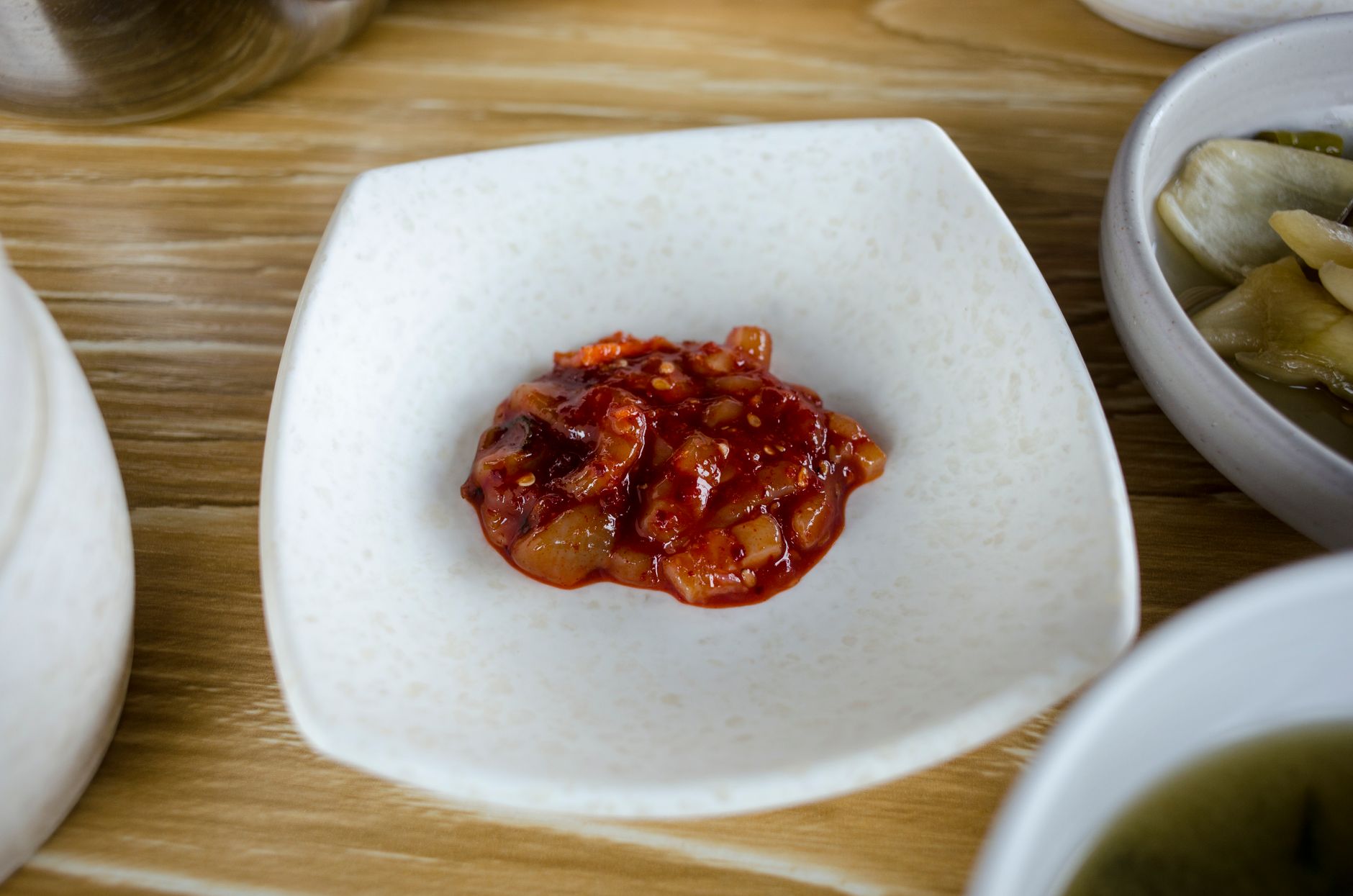
Gochujang is a staple ingredient in Korean cuisine, known for its distinct flavor profile and versatility in cooking. While its sweetness might make one question its spiciness, the truth is that gochujang does have a noticeable heat level. Understanding its spice level, flavor nuances, and culinary uses will help you make the most of this unique fermented chili paste.
This article explores the spiciness of gochujang, delves into its ingredient makeup, and provides insights into how to use it effectively in your cooking. Whether you’re looking to add depth to a dish or experimenting with Korean flavors, gochujang is a fascinating ingredient worth understanding.
Is Gochujang Spicy?
Gochujang can be considered spicy, but its heat is balanced with sweetness and umami. It typically ranges from 2,500 to 5,000 Scoville Heat Units (SHU), placing it in the mild to moderate category compared to other hot sauces and chili pastes. Its unique flavor profile is what sets it apart from purely spicy condiments.
Understanding Gochujang: The Basics
Gochujang is a fermented chili paste that originated in Korea. Made from red chili powder, glutinous rice, fermented soybeans, and salt, it offers a complex flavor that blends heat, sweetness, and umami. Here’s a breakdown of its key ingredients:
- Red Chili Powder: This is the primary source of heat in gochujang, contributing both spiciness and color.
- Glutinous Rice: It provides sweetness and creates a smooth texture when fermented.
- Fermented Soybeans: These contribute to the umami flavor and help with the fermentation process.
- Salt: Enhances flavor and controls the fermentation process.
The fermentation process is crucial for developing the rich flavor profile of gochujang. It can take several months for the ingredients to meld, resulting in a paste that is thick, sticky, and richly flavored.
Flavor Profile of Gochujang
While gochujang is spicy, it is not just about heat. The flavor profile includes:
- Sweetness: The glutinous rice and fermentation lend a natural sweetness that balances the heat.
- Umami: The fermented soybeans add a savory depth, making it a good choice for many dishes.
- Smokiness: Some versions may have a mild smokiness, depending on the type of chili powder used.
This multifaceted flavor makes gochujang an excellent addition to a variety of recipes, enhancing them without overwhelming them with just heat.
What to Expect When Using Gochujang
If you’re new to cooking with gochujang, here are some things to keep in mind:
- Heat Level: Start with small amounts when incorporating it into recipes, especially if you’re sensitive to spice.
- Texture: Gochujang has a thick, paste-like consistency that works well in sauces, marinades, and stews.
- Pairing Decisions: It pairs wonderfully with garlic, ginger, sesame, and vinegar, contributing to its versatility in dishes.
Common Uses of Gochujang
Gochujang can be used in a variety of ways, enhancing both traditional and modern dishes. Here are some popular applications:
- Bibimbap: A Korean rice dish topped with vegetables, egg, and gochujang for added flavor.
- Marinades: Combine gochujang with soy sauce, honey, and garlic for a flavorful meat marinade.
- Spicy Soups: Add to stews and soups for heat and depth, such as in kimchi stew.
- Dips and Dressings: Mix it with yogurt or mayonnaise for a zesty dip or salad dressing.
How to Store Gochujang
Gochujang has a long shelf life due to its fermentation. Here are storage tips to maintain its quality:
- Keep it in an airtight container in the refrigerator after opening.
- It can last for several months, some sources suggest up to one year if stored properly.
- For long-term storage, consider freezing portions in ice cube trays for easy use later.
Substitutes for Gochujang
If you find yourself without gochujang, there are several substitutes that can mimic its complex flavor and spice:
- Korean Chili Powder (Gochugaru): When mixed with honey and soy sauce, it can provide heat and sweetness.
- Chili Paste: Brands like sambal oelek can work when combined with a bit of sugar.
- Harissa: This North African chili paste has a different flavor but can add spice when mixed with sugar or honey.
- Hot Sauce: A general hot sauce can work in a pinch but will lack the same sweetness and umami depth.
Common Mistakes and Troubleshooting
While cooking with gochujang, here are some common errors to avoid:
- Overuse: Given its strong flavor, using too much gochujang can overpower a dish. Start with small amounts.
- Ignoring Balance: Always consider the other flavors in your dish—pair it well with sweet, sour, or umami ingredients to achieve a balanced taste.
- Not Adjusting Other Ingredients: If gochujang is added, you may need to adjust the salt content in the rest of the recipe due to its salty nature.
Cooking Techniques with Gochujang
Incorporating gochujang into your cooking doesn’t require special techniques, but there are ways to maximize its flavor:
- Infusion: For sauces, consider lightly sautéing it in oil with garlic before adding liquids. This enhances its depth of flavor.
- Marination: Use it in marinades for meats or vegetables. Let them soak for at least 30 minutes to absorb flavors.
- Thinning It Out: If the paste is too thick for your application, thin it with water, broth, or vinegar to suit your needs.
Serving Suggestions with Gochujang
To get the best out of gochujang, consider these serving suggestions:
- Drizzle over grilled vegetables or meats for added flavor.
- Use it as a condiment for rice dishes, similar to how one might use ketchup or hot sauce.
- Pair it with pickled vegetables for a refreshing contrast to richer dishes.
Exploring Gochujang Recipes
If you’re eager to try out your new understanding of gochujang, consider experimenting with these recipes:
- Gochujang Sauce: A quick and easy recipe to make a versatile sauce that you can use in various dishes.
- Spicy Korean Fried Chicken: Marinated in a combination of gochujang and other flavors for a delectable dish.
- Korean Tacos: Use gochujang in a taco filling for a fusion twist.
Conclusion
Gochujang is not just another spicy ingredient; it’s a versatile and complex ketchup of Korean cuisine. Whether you’re spicing up a kimchi stew or creating a unique dipping sauce, understanding its flavor and heat will enhance your cooking experience. Embrace gochujang in your dishes, and it can bring a delightful depth to your meals.
Explore more recipes, cooking tips, or food guides to expand your culinary skills. Check out our Gochujang Sauce and Chili Oil Recipe for more ways to incorporate exciting flavors into your cooking.