
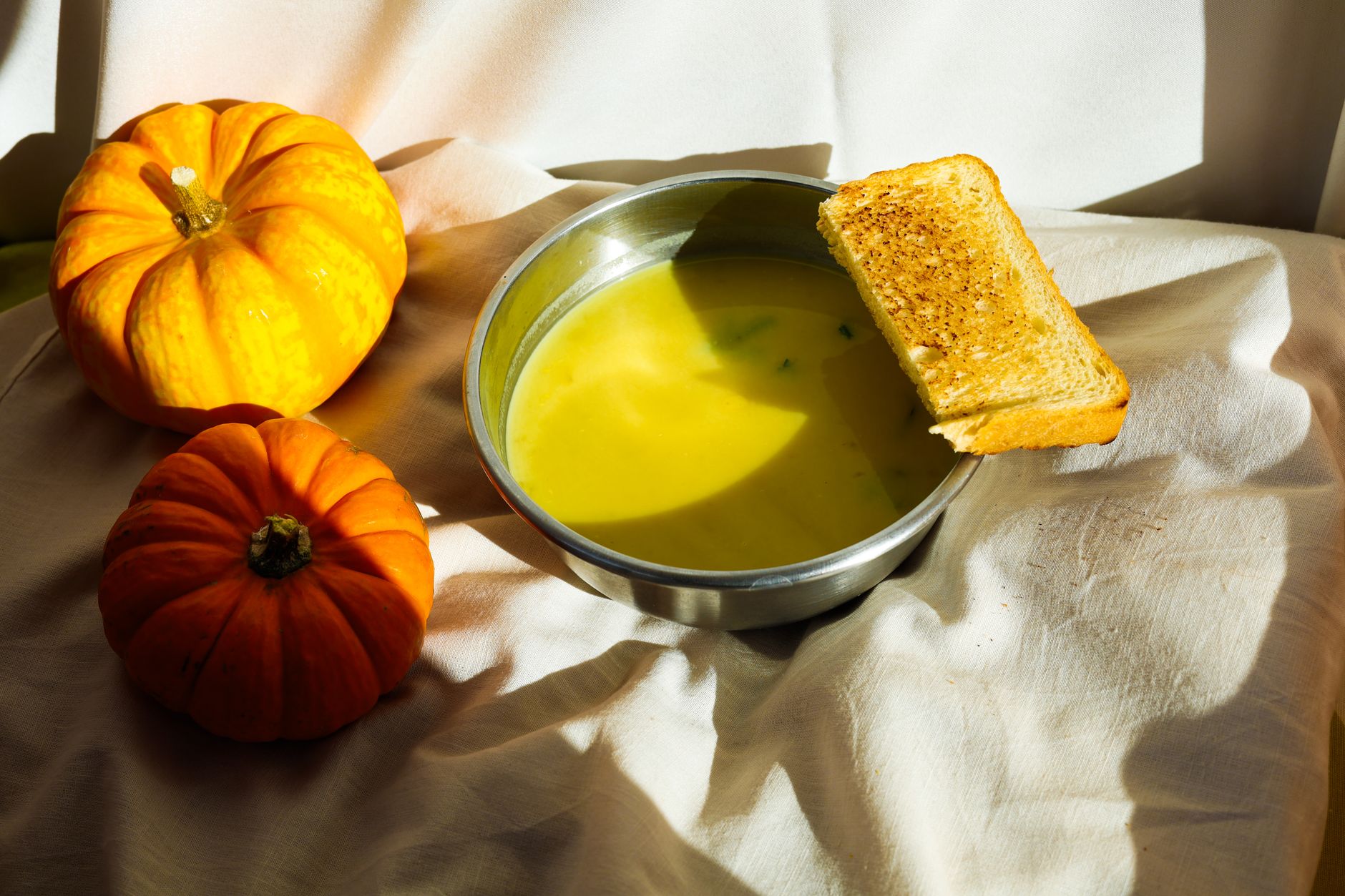
Pumpkin puree is a versatile ingredient made from cooked and mashed pumpkins. Often associated with fall dishes, it adds natural sweetness, moisture, and a subtle earthiness to recipes ranging from baked goods to savory meals.
Whether it is pie, soup, or pancakes, pumpkin puree enhances flavor and provides a pleasing texture. Understanding how to use this ingredient effectively can elevate your cooking and baking experiences.
What Is Pumpkin Puree?
Pumpkin puree is a smooth, thick paste made from cooked pumpkin flesh. It is commonly used in various culinary applications, especially in North American cuisine. Typically, canned pumpkin puree is the most widely available form, but it can also be made from fresh pumpkins that have been roasted or steamed.
The puree has a sweet, earthy flavor that complements both sweet and savory dishes. Its creamy consistency makes it an excellent base for soups, sauces, and baked goods.
Making Pumpkin Puree at Home
Creating pumpkin puree at home is straightforward and allows for a fresher flavor compared to canned options. Here’s a guide to making your own pumpkin puree:
Choosing the Right Pumpkin
For puree, choose sugar pumpkins or pie pumpkins, which are smaller and sweeter than carving pumpkins. Look for pumpkins that feel heavy for their size and have a firm skin with no soft spots.
Essential Equipment
- Sharp knife
- Vegetable peeler
- Cookie sheet or roasting pan
- Parchment paper (optional)
- Blender or food processor
- Storage containers
Step-by-Step Instructions
- Preheat your oven: Heat the oven to 375°F (190°C).
- Prepare the pumpkin: Wash the pumpkin thoroughly. Using a sharp knife, cut it in half. Remove the seeds and stringy insides with a spoon. It is recommended to save the seeds for roasting!
- Roast the pumpkin: Place the pumpkin halves cut-side down on a lined baking sheet. Roast for about 45 minutes to 1 hour, or until the flesh is tender. You can test doneness by inserting a fork or knife into the flesh—it should easily pierce through.
- Cool and scoop the flesh: Once roasted, allow the pumpkin halves to cool. Scoop out the soft flesh and discard the skin.
- Blend the pumpkin: Place the pumpkin flesh in a blender or food processor. Blend until smooth. If the mixture seems dry, you may add a small amount of water or pumpkin cooking liquid to achieve a creamy consistency.
- Store the puree: Use the pumpkin puree immediately or store it in airtight containers. It can be refrigerated for up to one week or frozen for several months.
Using Pumpkin Puree in Recipes
Pumpkin puree is incredibly versatile. Here are some popular applications across various meal types:
Baking with Pumpkin Puree
Pumpkin puree is often used in baking for its moisture and flavor. Popular baked goods include:
- Pumpkin Pie: A classic dessert, pumpkin puree forms the base for the filling, combined with spices like cinnamon and nutmeg.
- Pumpkin Bread: This quick bread utilizes pumpkin puree for a moist texture and can include nuts, chocolate chips, or dried fruits.
- Pumpkin Muffins: Adding pumpkin puree to muffin batter creates a tasty and seasonal breakfast or snack option.
Cooking with Pumpkin Puree
In savory dishes, pumpkin puree can add a creamy element, vibrant color, and rich flavor. Here are some common savory applications:
- Pumpkin Soup: Combine pumpkin puree with broth, spices, and cream for a comforting soup.
- Pasta Sauces: Blend pumpkin puree with cream, garlic, and cheese to create a luscious sauce for pasta dishes.
- Curry: Use pumpkin puree to thicken and flavor curries with coconut milk and spices.
Substituting Pumpkin Puree
If you don’t have pumpkin puree on hand, there are several suitable substitutes, although the flavor and texture may vary:
- Butternut Squash Puree: Similar in flavor and consistency, mashed butternut squash provides a great alternative.
- Sweet Potato Puree: This adds a different sweetness, making it a fun substitution in both savory and sweet dishes.
- Carrot Puree: Slightly sweeter, carrot puree complements baked goods well.
Common Mistakes When Using Pumpkin Puree
A few errors can occur while using pumpkin puree that can affect the outcome of your dish:
- Choosing the Wrong Type of Pumpkin: Using carving pumpkins can result in a watery and bland puree.
- Not Adjusting Liquids: Pumpkin puree is moist, so you may need to reduce other liquids in a recipe to maintain the right consistency.
- Using Unseasoned Puree: If your recipe calls for pumpkin pie filling, do not substitute with plain pumpkin puree without adjusting for sweetness and spices.
Storage and Preservation of Pumpkin Puree
Storing pumpkin puree properly can help preserve its flavor and quality. Here’s how to do it:
Refrigeration
Store homemade or opened canned pumpkin puree in an airtight container in the refrigerator. It can last about one week.
Freezing Pumpkin Puree
Pumpkin puree freezes well, making it a great option for long-term storage. Here’s how to freeze it effectively:
- Cool the Puree: Let the puree cool completely before freezing.
- Portion It Out: Consider freezing in small portions using ice cube trays or freezer bags for easy usage.
- Label Containers: Always label your containers with the date and contents. Use within six months for the best quality.
FAQs About Pumpkin Puree
Can I use pumpkin puree in savory dishes?
Yes, pumpkin puree works well in savory dishes, enhancing their flavor and texture. It’s commonly used in soups, pasta sauces, and curries.
Is pumpkin puree the same as pumpkin pie filling?
No, pumpkin puree is simply cooked and pureed pumpkin, while pumpkin pie filling includes added sugars and spices for flavoring.
Can I substitute fresh pumpkin for canned pumpkin puree?
Yes, you can substitute fresh pumpkin for canned pumpkin puree, but make sure to cook it and puree it thoroughly first for the desired consistency.
Incorporating Pumpkin Puree into Meal Planning
Integrating pumpkin puree into your meals can be a delightful way to add nutrition and seasonal flavors:
- Breakfasts: Add pumpkin puree to oatmeal, smoothies, or pancakes for a nutritious start to the day.
- Lunch and Dinner: Use it in soups, sauces, and casseroles to introduce rich flavor.
- Desserts: Incorporate pumpkin puree into muffins, cookies, and pies for a sweet treat.
Simple Weekly Meal Plan Using Pumpkin Puree
Here’s an example of a weekly meal plan utilizing pumpkin puree:
| Day | Breakfast | Lunch | Dinner |
|---|---|---|---|
| Monday | Pumpkin Spice Oatmeal | Pumpkin and Spinach Soup | Pasta with Pumpkin Alfredo Sauce |
| Tuesday | Pumpkin Pancakes | Quinoa Salad with Pumpkin Dressing | Pumpkin Chili |
| Wednesday | Pumpkin Smoothie | Pumpkin Hummus with Veggies | Stuffed Bell Peppers with Pumpkin Rice |
| Thursday | Pumpkin Muffins | Turkey Pumpkin Wrap | Roasted Pumpkin and Chicken Quinoa Bowl |
| Friday | Pumpkin Granola | Pumpkin and Chickpea Salad | Pumpkin Pizza |
This plan helps illustrate the diverse use of pumpkin puree in various meals throughout the week while adding richness and flavor.
Experimenting with pumpkin puree can enhance your culinary repertoire. Feel free to adapt flavors, create diverse meals, and share this delightful ingredient with family and friends!
For more information on extending the shelf life of pumpkin dishes, check out our guide on freezing pumpkin pie. If you enjoy festive desserts, don’t miss our Libby’s pumpkin roll recipe for a delicious treat!