
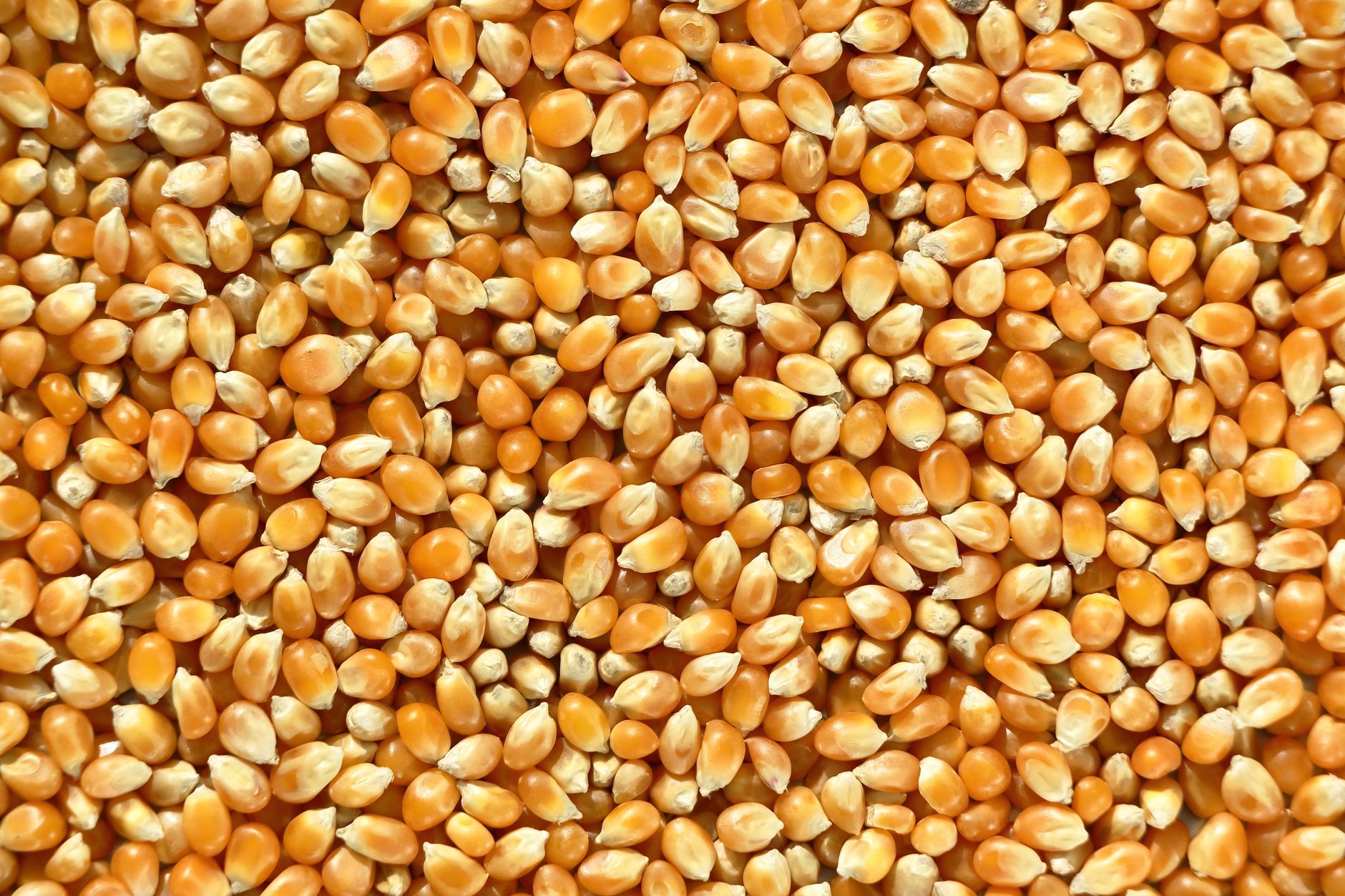
Popcorn is a beloved snack, often associated with movie nights and gatherings. But what happens when you have leftover kernels languishing in your pantry? Do popcorn kernels go bad? Understanding the shelf life of popcorn kernels can help prevent waste and ensure you get the most out of your snack time.
This article delves into the nature of popcorn kernels, how to store them properly, signs that your kernels may have gone bad, and the best practices for making the most flavorful popcorn.
Do Popcorn Kernels Go Bad?
Yes, popcorn kernels can go bad, but they have a relatively long shelf life if stored correctly. Generally, unpopped kernels can last for several years, but factors such as moisture and storage conditions can affect their viability. While they won’t spoil in the traditional sense, their ability to pop may diminish over time.
Understanding Popcorn Kernels
Popcorn kernels are unique among different types of corn due to their tough outer hull and high moisture content inside. When heated, the moisture expands and builds pressure until the kernel eventually bursts, creating the fluffy snack we all love.
The Anatomy of a Popcorn Kernel
- Pericarp: The outer shell that protects the kernel and keeps moisture contained.
- Endosperm: The starchy interior that transforms into the fluffy texture we recognize as popcorn.
- Germ: The embryo of the kernel, which can sprout into a new plant.
Shelf Life of Popcorn Kernels
Popcorn kernels have a shelf life of approximately 1 to 2 years when stored in a cool, dry place. However, they can last longer if stored correctly. The key factors affecting their longevity are moisture, temperature, and light exposure.
Best Storage Practices
To maximize the shelf life of your popcorn kernels, follow these storage guidelines:
- Airtight Containers: Store kernels in an airtight container to reduce exposure to moisture. Glass jars, vacuum-sealed bags, or heavy-duty plastic containers work well.
- Cool, Dark Location: Keep your popcorn in a pantry or cupboard away from heat sources and sunlight, which can degrade the kernels over time.
- Avoid Humidity: High humidity can cause kernels to absorb moisture, leading to diminished popping ability. Using desiccants or storing with dry rice can help combat this.
Signs that Popcorn Kernels Have Gone Bad
While popcorn kernels don’t spoil like many foods, they can lose their ability to pop effectively over time. Here are some signs that your kernels may no longer be good:
1. Age
If your popcorn kernels are beyond the 1 to 2-year mark, it’s essential to check their viability, even if they appear intact.
2. Texture
Popcorn kernels should feel hard and solid. If they appear shriveled, cracked, or soft, they may have absorbed moisture and can be considered no longer effective.
3. Popping Ability
A simple test is to pop a small batch of kernels. If fewer than 80% pop, the kernels may be too old or have absorbed too much moisture to pop effectively.
Using Old Popcorn Kernels
Even if your popcorn kernels are older, you can still use them. Here are a few tips to help improve their popping performance:
Revitalize Old Kernels
If your popcorn kernels are several months old, try rehydrating them to improve their popping power:
- Put the kernels in a jar and add a few drops of water.
- Seal the jar and shake it to distribute the water evenly.
- Let the kernels rest for a few days, shaking occasionally, before attempting to pop them again.
How to Make Perfect Popcorn
Once you’ve confirmed your popcorn kernels are in good condition, you can prepare the perfect batch. Here’s a step-by-step guide to making delicious stovetop popcorn:
Ingredients
- 1/2 cup popcorn kernels
- 3 tablespoons oil (such as coconut, canola, or vegetable oil)
- Salt to taste
- Optional seasonings (cheese powder, butter, spices)
Equipment
- Large pot with a lid
- Measuring cups and spoons
- Stirring spoon
Preparation Steps
- Add oil to the pot and heat on medium-high.
- Place a few kernels in the pot and cover with a lid.
- Once those kernels pop, remove them and add the 1/2 cup of popcorn kernels to the hot oil.
- Cover the pot and shake it gently to ensure even heating.
- Let the popcorn pop until the popping slows to about 2 seconds between pops.
- Remove the pot from heat and wait a moment for the popping to stop.
- Transfer the popcorn to a bowl and season to taste.
Common Mistakes in Popcorn Making
Even the simplest popcorn-making process can have pitfalls. Avoid these common mistakes:
Using the Wrong Oil
Oils with low smoke points, like olive oil, can burn before the popcorn pops. Stick to oils that have a higher smoke point.
Overcrowding the Pot
If you put too many kernels in the pot, they may not pop effectively, leading to more unpopped kernels. Make sure they have enough space to expand.
Not Shaking the Pot
Shaking the pot during popping helps distribute heat evenly and prevents burning. Be sure to do this gently while still keeping the lid on.
Storing Leftover Popcorn
Sometimes, you end up with more popcorn than you can eat in one sitting. Here’s how to store leftover popcorn:
Storage Options
- Airtight Container: Allow popcorn to cool completely before transferring it to an airtight container. This helps maintain crispness.
- Freezer Bag: For longer storage, consider putting your popcorn in a freezer bag. This can keep it fresh for several weeks.
Conclusion
Popcorn kernels can last a long time if stored properly, but they do have a shelf life. Keeping moisture and temperature in check, along with recognizing signs of aging kernels, can help ensure that your popcorn remains fresh and delicious. Whether you enjoy it while watching movies or as a quick snack, knowing how to care for your popcorn kernels makes all the difference.
If you’re looking to keep your popcorn poppin’ and flavorful, consider trying out some exciting toppings or even homemade popcorn seasoning. For suggestions, check out this popcorn seasoning recipe to elevate your snack time.