
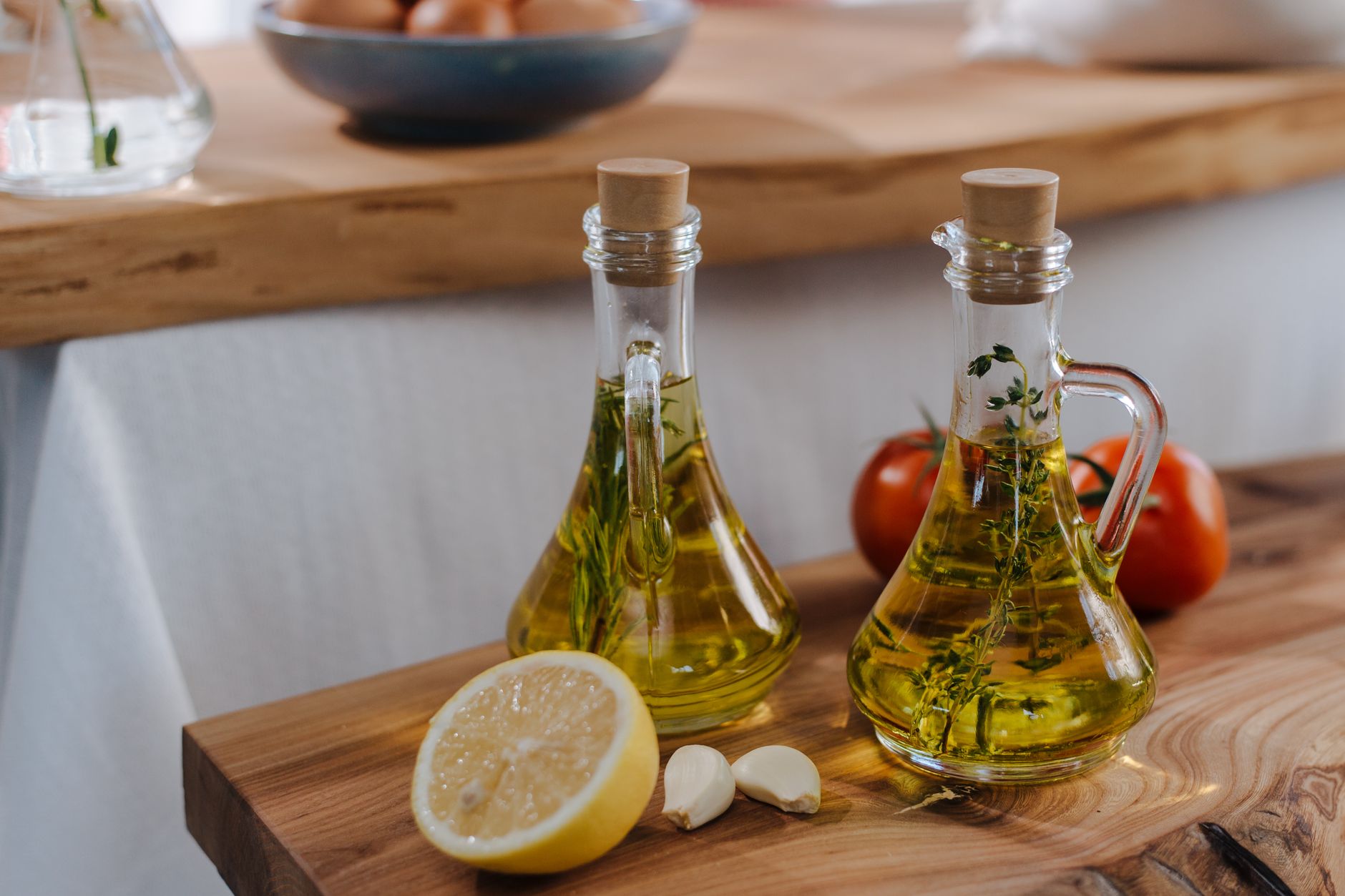
The Mediterranean diet often garners attention for its flavorful meals and health benefits. However, a common question arises: Is the Mediterranean diet safe? This article explores the safety of this popular dietary pattern, addressing potential allergens, nutritional balance, and health implications.
Rich in fruits, vegetables, whole grains, fish, and healthy fats, the Mediterranean diet is more than just food; it represents a lifestyle. Yet, it’s essential to understand how this diet can fit various dietary needs, particularly for people with allergies or specific health considerations.
Is Mediterranean Diet Safe?
Yes, the Mediterranean diet is generally safe for most individuals. It emphasizes whole foods, which can provide a multitude of nutrients. However, personal dietary preferences, allergies, and medical conditions should be considered when adopting this eating pattern.
Overview of the Mediterranean Diet
The Mediterranean diet is inspired by the traditional dietary patterns of countries bordering the Mediterranean Sea, such as Italy, Greece, and Spain. Its key components include:
- Fruits and vegetables
- Whole grains
- Nuts and seeds
- Legumes
- Healthy fats, primarily olive oil
- Fish and seafood
- Poultry, eggs, and dairy in moderation
- Limited intake of red meat and sweets
This diet places a strong emphasis on a variety of food groups, promoting a balanced intake of nutrients.
Health Benefits of the Mediterranean Diet
The Mediterranean diet is associated with numerous health benefits, many of which are backed by scientific research:
- Heart Health: Studies have shown that the Mediterranean diet can reduce the risk of heart disease. The focus on healthy fats and omega-3 fatty acids from fish helps support cardiovascular health.
- Weight Management: A diet rich in whole foods can promote satiety, making it easier for individuals to manage their weight.
- Reduced Risk of Chronic Diseases: Regular adherence to the Mediterranean approach is linked to a lower risk of type 2 diabetes, Alzheimer’s disease, and certain cancers.
- Improved Mood and Cognitive Function: Beneficial nutrients, such as antioxidants, may enhance mental health and cognitive abilities.
Potential Allergens
While the Mediterranean diet is generally safe, individuals with allergies must be cautious about specific ingredients:
- Nuts: Nuts are a common component. Those with nut allergies should substitute nuts with seeds or other safe ingredients.
- Seafood: Fish can trigger allergic reactions in some people. Alternatives include poultry, legumes, and plant-based protein sources.
- Dairy: Some Mediterranean diets include dairy, particularly cheese and yogurt. Lactose intolerance or dairy allergies necessitate lactose-free options or non-dairy substitutes.
Nutritional Balance
The Mediterranean diet excels in promoting a balanced nutritional intake:
- Macronutrient Distribution: A typical Mediterranean eating pattern consists of healthy fats (approximately 25-35% of daily caloric intake), complex carbohydrates (45-60%), and moderate protein levels (15-25%).
- Micronutrients: Emphasizing fruits and vegetables ensures a rich supply of vitamins, minerals, and antioxidants, contributing positively to overall health.
Possible Risks of the Mediterranean Diet
While the Mediterranean diet is mostly beneficial, some potential risks may arise for certain individuals:
- Caloric Overconsumption: Even healthy fats can be calorie-dense. Those aiming to lose or maintain weight should monitor portion sizes.
- High Sodium Intake: Processed cheeses and cured meats can elevate sodium levels if consumption is not moderated.
- Pesticide Residue: Non-organic produce might contain pesticide residues. Purchasing organic or thoroughly washing vegetables and fruits can mitigate this risk.
Safety for Specific Dietary Preferences
The Mediterranean diet can often be adapted to suit a variety of dietary preferences:
Vegetarian and Vegan Options
A plant-based Mediterranean diet focuses heavily on fruits, vegetables, legumes, nuts, and whole grains. Important considerations include:
- Ensure adequate protein intake through legumes, nuts, and seeds.
- Consider vitamin B12 supplementation if following a strict vegan diet, as this vitamin is primarily found in animal products.
Gluten-Free Considerations
For those with gluten intolerance or celiac disease, gluten-free grains such as quinoa, rice, and buckwheat can replace traditional pasta and bread options.
Ingredient Substitution in the Mediterranean Diet
While adopting this diet, some may need to substitute specific ingredients:
- Olive Oil: Avocado oil or nut oils can work as alternatives, though the taste and health properties may differ. Explore avocado oil substitutions.
- Fish: If seafood is off the table, lean poultry, tofu, or legumes can step in.
- Dairy: Plant-based yogurt or non-dairy cheese provide alternatives for lactose-intolerant individuals.
Common Mistakes to Avoid
To maximize the benefits of the Mediterranean diet, avoid the following pitfalls:
- Overdoing Processed Foods: Even Mediterranean-inspired processed foods can contain unhealthy additives. Focus on whole foods for maximum benefits.
- Ignoring Portion Sizes: While healthy, portion control remains critical to manage caloric intake.
- Relying Too Heavily on One Food Group: This diet is about variety; consuming them equally is essential for balanced nutrition.
Tips for Implementing the Mediterranean Diet Safely
Here are some practical suggestions for safely integrating the Mediterranean diet into everyday life:
- Start Slowly: Introduce new foods gradually to avoid overwhelming your system.
- Focus on Whole Foods: Choose fresh, unprocessed ingredients for healthier meals.
- Plan Your Meals: Create a weekly menu to avoid dependence on less healthy options. Experiment with new recipes that incorporate Mediterranean flavors.
- Stay Hydrated: Drink plenty of water, and consider herbal teas as a healthy beverage option.
Meal Planning and Prep Ideas for the Mediterranean Diet
Effective meal planning can simplify adhering to the Mediterranean diet:
Weekly Menu Example
Here’s a sample weekly plan to get started:
| Day | Breakfast | Lunch | Dinner |
|---|---|---|---|
| Monday | Greek yogurt with honey and walnuts | Quinoa salad with chickpeas, cucumber, and feta | Grilled salmon with roasted vegetables |
| Tuesday | Oatmeal topped with fruits and almonds | Pita wraps with falafel and tahini sauce | Pasta primavera with a light olive oil sauce |
| Wednesday | Smoothie with spinach, banana, and almond milk | Lentil soup with whole-grain bread | Stuffed bell peppers with brown rice and vegetables |
| Thursday | Avocado toast on whole-grain bread | Caprese salad with basil and balsamic drizzle | Chickpea curry with brown rice |
| Friday | Fruit salad with nuts | Vegetable wrap with hummus | Grilled chicken with Greek salad |
| Saturday | Scrambled eggs with spinach and tomatoes | Tabbouleh salad with mint and parsley | Prawn skewers with roasted zucchini |
| Sunday | Chia pudding with berries | Vegetable stir-fry with quinoa | Eggplant Parmesan with a side of greens |
Incorporating batch cooking on weekends can also be beneficial. Prepare large portions of staple foods like grains, legumes, and roasted vegetables to use throughout the week.
Storage and Reheating Tips
Proper food storage is essential for maintaining the safety and taste of Mediterranean foods:
- Refrigeration: Store perishable items, such as cooked meals and dairy products, in airtight containers in the fridge to prevent spoilage.
- Freezing: Many Mediterranean dishes freeze well. Cook larger portions, portion them out, and freeze for later use. Soup and stews are excellent candidates.
- Reheating: When reheating, ensure food reaches a temperature of at least 165°F (74°C) to ensure safety.
The Mediterranean diet is not only flavorful but safe and adaptable for many people. It prioritizes whole foods and healthy fats while fostering a balanced nutritional intake. By understanding dietary restrictions, meal planning thoughtfully, and avoiding common pitfalls, one can enjoy the benefits of this delicious diet.
Explore more about nutritious ingredients with our guide on the benefits of chia seeds and delve into the details of ingredient switching by checking our article on substituting avocado oil for olive oil.