
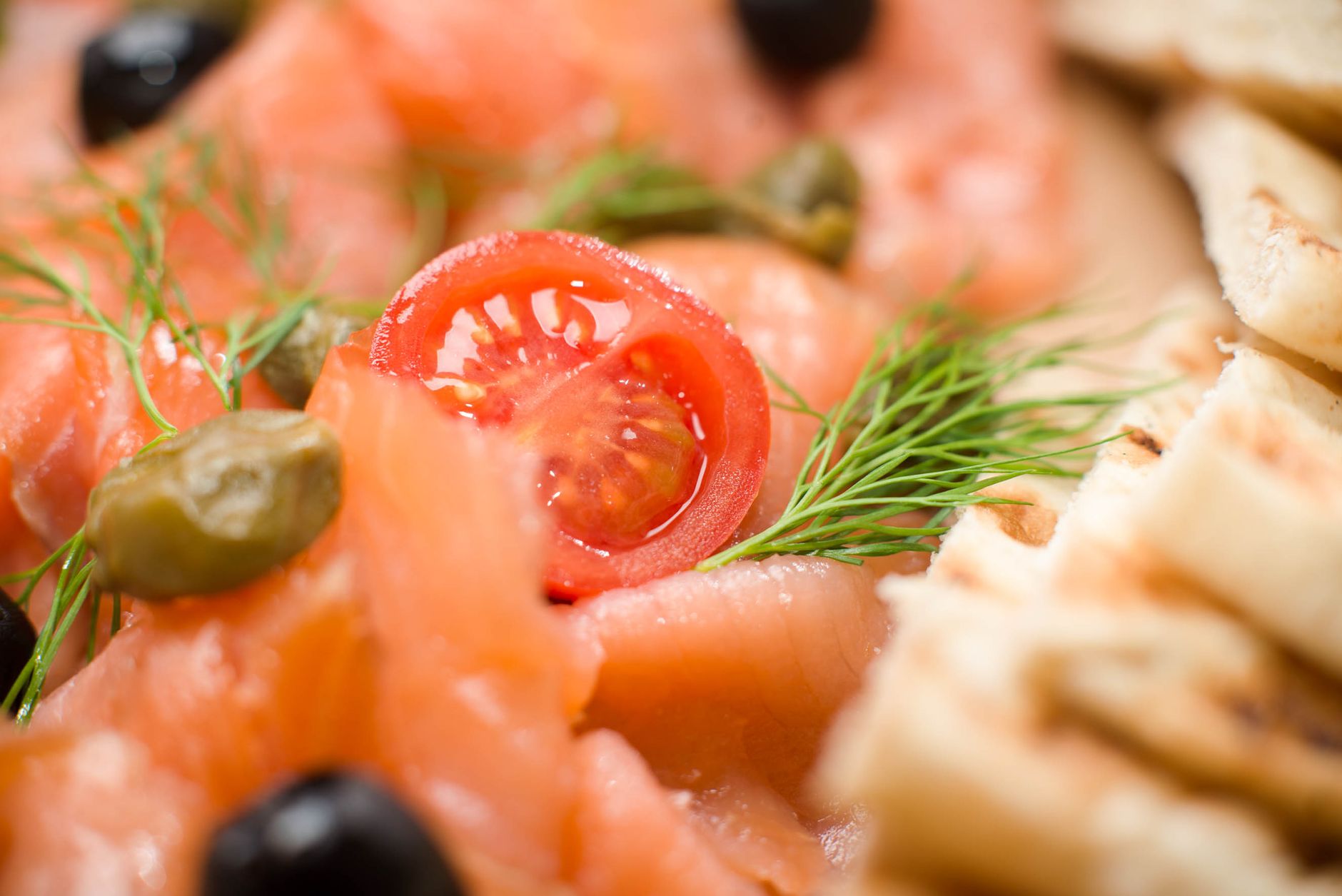
Smoked salmon is a beloved delicacy known for its unique flavor and versatility. However, a common question many people ask is whether smoked salmon is considered raw. The answer can depend on the type of smoked salmon being discussed, as the smoking process can vary significantly.
This article will delve into the nuances of smoked salmon, exploring whether it is raw, the different types and methods of smoking, and tips for storing and enjoying this delicacy. Whether you’re preparing a brunch spread or a fancy appetizer, understanding smoked salmon can enhance your culinary experience.
Is Smoked Salmon Raw?
Smoked salmon can be both raw and cooked, depending on how it is prepared. Cold-smoked salmon is often considered raw since it has not reached high enough temperatures to cook the fish fully. In contrast, hot-smoked salmon is cooked through the smoking process, resulting in a firmer and flakier texture.
Types of Smoked Salmon
Understanding the different types of smoked salmon is essential in determining whether it is raw. Here are the two main types:
Cold-Smoked Salmon
Cold-smoked salmon is cured and then smoked at low temperatures, typically below 90°F (32°C). The process preserves the delicate flavor while maintaining a silky texture. Because the fish never reaches a cooking temperature, it is often viewed as raw. Cold-smoked salmon is commonly used in salads, bagels, and sushi.
Hot-Smoked Salmon
Hot-smoked salmon is cooked during the smoking process, typically at temperatures between 120°F to 180°F (49°C to 82°C). This method results in a firmer texture and a smoky flavor that is more pronounced. Hot-smoked salmon can be flaked into salads or served on its own, often considered safe to eat without further cooking.
The Smoking Process
Both types of smoked salmon originate from similar processes but diverge in execution. Here’s a breakdown of how smoked salmon is made:
- Curing: The salmon fillet is first cured using salt or a salt-sugar mixture to draw out moisture and enhance flavor.
- Smoking: After curing, the salmon is placed in a smoker. For cold smoking, the fish is exposed to wood smoke at low temperatures for several hours. For hot smoking, the temperature is raised, cooking the salmon during the smoking process.
Flavor and Texture Differences
The flavor and texture of smoked salmon can greatly differ between cold-smoked and hot-smoked varieties. Cold-smoked salmon typically has a softer texture, retaining a silky mouthfeel with a more subtle smoky flavor. On the other hand, hot-smoked salmon has a firmer texture, with a more pronounced smoky taste and a slightly drier consistency.
Choosing the Right Smoked Salmon
When purchasing smoked salmon, consider the following factors:
- Source: Look for sustainably sourced salmon to ensure environmental responsibility.
- Flavor: Different smoking woods such as alder, maple, and hickory impart various flavors. Choose based on your preferences.
- Type: Decide whether you want cold-smoked or hot-smoked salmon based on its intended use in your dishes.
How to Prepare Smoked Salmon
Smoked salmon can be enjoyed in various ways. Here are some practical serving suggestions:
Raw Preparations
When using cold-smoked salmon, consider serving it:
- On a bagel with cream cheese, capers, and red onions for a classic breakfast.
- In a salad with mixed greens, avocado, and a lemon vinaigrette for a refreshing lunch.
- As part of a charcuterie board, paired with cheeses, crackers, and fruits.
Cooked Preparations
Hot-smoked salmon lends itself to different culinary applications:
- Flaked into pasta dishes, combining with cream sauces, and seasonal vegetables.
- Add to frittatas or omelets for a protein boost at brunch.
- Mixed with cream cheese and herbs to make a spread or dip for parties.
Storing Smoked Salmon
Proper storage of smoked salmon is crucial to maintain its quality and prevent spoilage. Here are some key points to remember:
- Refrigeration: Keep smoked salmon in the refrigerator at temperatures below 40°F (4°C). It should be consumed within 5-7 days once opened.
- Freezing: If you won’t use it within the recommended time, smoked salmon can be frozen for an extended shelf life. Wrap it tightly in plastic wrap and then in aluminum foil to prevent freezer burn.
Common Mistakes When Handling Smoked Salmon
Even experienced cooks can make mistakes when it comes to smoked salmon. Here are some common issues and how to avoid them:
- Not checking freshness: Always check the expiration date and visual quality before purchasing. Fresh smoked salmon should have a pleasant aroma and bright color.
- Improper storage: Leaving smoked salmon out at room temperature can cause it to spoil rapidly. Always refrigerate it after use.
- Overcooking hot-smoked salmon: Hot-smoked salmon is already cooked, so it requires minimal additional heating. Overcooking can result in a dry texture.
Nutritional Aspects of Smoked Salmon
Smoked salmon is highly nutritious and offers a range of health benefits. It is an excellent source of omega-3 fatty acids, high-quality protein, and essential vitamins and minerals.
- Omega-3 fatty acids: Important for heart health and brain function.
- Protein: Supports muscle growth and repair.
- Vitamins and minerals: Provides vitamins B12 and D, as well as selenium and potassium.
Potential Health Concerns
While smoked salmon is a delicious and nutritious option, there are a few health considerations to keep in mind:
- Listeria risk: Pregnant women, older adults, and individuals with weakened immune systems should be cautious and consult a doctor before consuming cold-smoked salmon due to the risk of listeriosis.
- Sodium content: Smoked salmon can be high in sodium because of the curing process. Individuals on a low-sodium diet should consume it in moderation.
Serving Suggestions
When it comes to serving smoked salmon, creativity is key. Here are some inspired ideas for presentation and pairing:
- Top a piece of rye bread with smoked salmon, avocado, and a sprinkle of everything bagel seasoning.
- Create a smoked salmon dip using cream cheese, dill, and capers for a delightful appetizer.
- Serve smoked salmon with pickled vegetables, providing a tangy contrast to the richness of the fish.
Frequently Asked Questions
Can I eat cold-smoked salmon if I’m pregnant?
It is advisable to avoid cold-smoked salmon during pregnancy due to the risk of listeria. Consult your healthcare provider for personal advice.
How can I tell if smoked salmon is bad?
If the salmon has an off smell, slimy texture, or discolored spots, it may be spoiled. Always check the packaging for expiration dates as well.
Can I freeze smoked salmon?
Yes, smoked salmon can be frozen for up to three months. Ensure it is tightly wrapped to prevent freezer burn.
Conclusion
Smoked salmon is a versatile ingredient that can be enjoyed in various forms, with distinct flavors and textures depending on whether it is cold-smoked or hot-smoked. Understanding these differences helps you choose the right type for your culinary needs while also ensuring safety and freshness. Whether you incorporate it into a luxurious brunch, a light salad, or a savory dip, smoked salmon adds elegance and flavor to any dish.
Explore more related recipes and tips such as how to tell if salmon is bad or how to smoke chicken thighs to expand your culinary repertoire.