
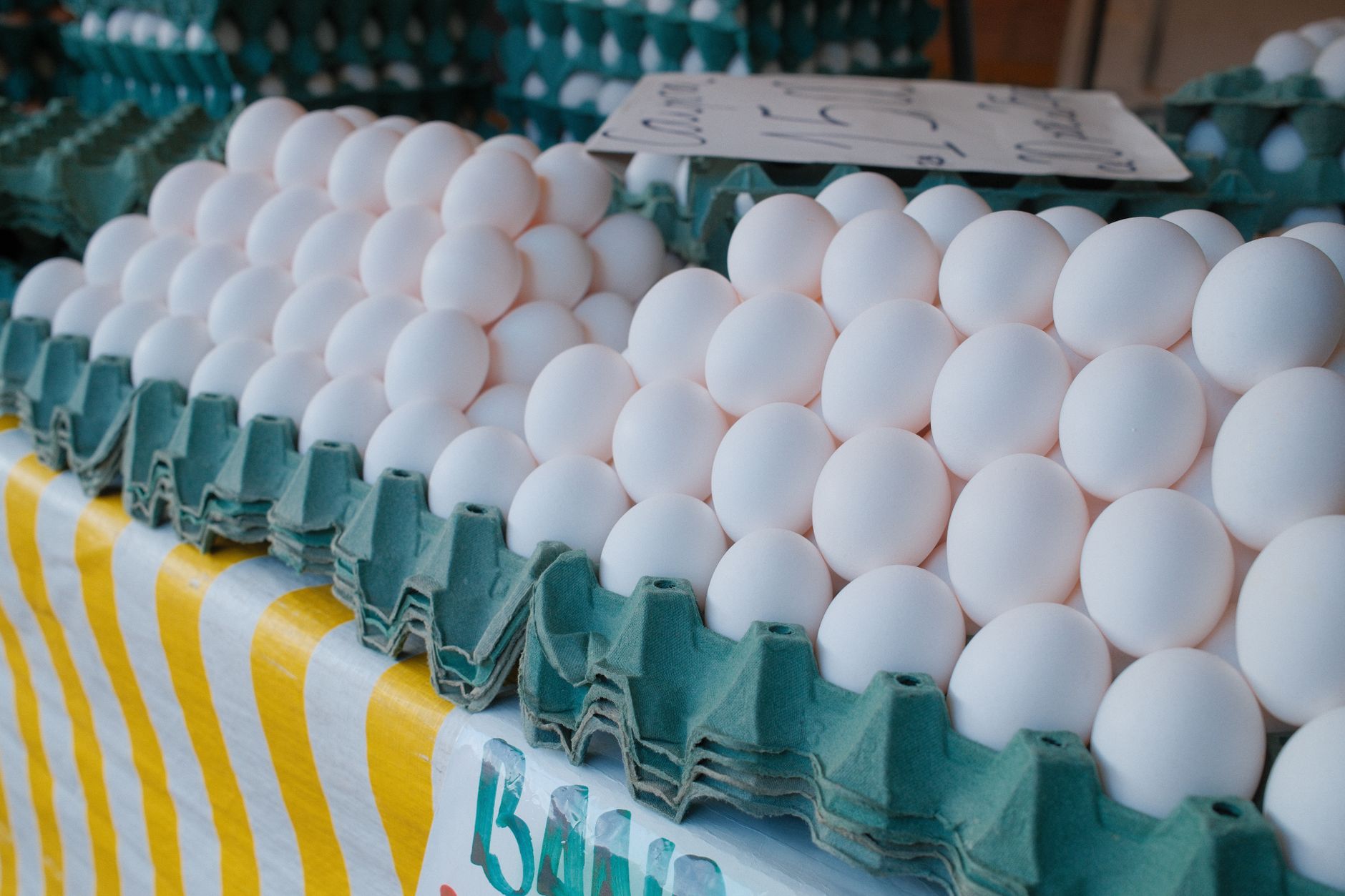
Understanding when eggs go bad is important for both food safety and culinary success. Fresh eggs are a versatile ingredient commonly used in various dishes, from breakfast staples to baked goods. This article provides essential information on egg freshness, storage practices, and methods for testing the quality of eggs, helping you minimize waste and ensure delicious results in your cooking.
From knowing how to properly store eggs to recognizing the signs of spoilage, this comprehensive guide covers everything you need to keep your eggs fresh and safe for consumption.
When Do Eggs Go Bad?
Eggs can go bad when they are not stored properly or exceeding their expiry. Generally, fresh eggs can last around 3 to 5 weeks past the sell-by date if stored in the refrigerator. However, eggs can spoil sooner or later depending on the handling and storage conditions. It’s essential to know how to identify bad eggs to avoid any health risks.
Understanding Egg Freshness
The freshness of an egg depends on various factors, including the date of purchase, storage conditions, and its initial quality. Here are key points to understand egg freshness:
- Expiration Dates: Most egg cartons have a sell-by or expiration date. While fresh eggs can typically last a few weeks beyond these dates when properly stored in the refrigerator, it’s crucial to inspect them for quality signs.
- Storage Conditions: Eggs should always be stored in the refrigerator, ideally in their original carton, to protect them from moisture and strong odors that can affect their taste.
- Initial Quality: The quality of eggs at the time of purchase also impacts their shelf life. Buying eggs from reliable sources and checking for cracks or damage can help ensure you bring home the freshest eggs possible.
Signs That Eggs Have Gone Bad
Identifying bad eggs is crucial to prevent foodborne illnesses. Common signs that eggs have spoiled include:
- Off Smell: If you crack an egg open and it emits a sulfurous or rotten smell, it is spoiled and should be discarded.
- Discoloration: Fresh eggs have a clear egg white and a bright yellow yolk. If the egg white appears cloudy or the yolk is discolored or has spots, it could indicate spoilage.
- Float Test: Fresh eggs sink in water, while older eggs tend to float due to air pockets forming inside. If an egg floats, it is best to discard it.
How to Properly Store Eggs
To maximize the shelf life and freshness of eggs, proper storage is essential. Here are tips to help you store eggs effectively:
- Keep Refrigerated: Store eggs in the refrigerator at a temperature of 32°F to 40°F (0°C to 4°C) to maintain their freshness.
- Avoid the Door: Although many refrigerators have an egg compartment in the door, it’s better to store eggs on a middle shelf, where the temperature remains more consistent.
- Original Carton: Keeping eggs in their original carton protects them from absorbing odors and moisture and keeps them from cracking.
- Do Not Wash Until Use: Washing eggs can remove the natural protective coating called the cuticle, making them more susceptible to contamination. Only wash eggs just before using them.
How to Test Egg Freshness
Here are methods to test the freshness of eggs:
Float Test
- Fill a bowl or large glass with water.
- Gently place the egg in the water.
- If it sinks and lays flat on the bottom, it’s fresh.
- If it stands upright on the bottom, it’s still safe to eat but not as fresh.
- If the egg floats, it has likely gone bad and should be discarded.
Shake Test
- Hold the egg close to your ear.
- Shake it gently. If you hear a sloshy noise, the egg is no longer fresh, as the egg white has begun to break down.
- If you don’t hear anything, it’s likely still good to use.
What Happens if You Eat Bad Eggs?
Consuming spoiled eggs can lead to foodborne illnesses, with symptoms such as nausea, vomiting, diarrhea, and stomach cramps. In severe cases, it can lead to Salmonella infections, which can be dangerous, particularly for young children, the elderly, and those with weakened immune systems. To avoid health risks, always check the freshness of eggs before cooking.
Best Practices for Cooking with Eggs
To ensure safety and the best flavor in your dishes, consider these best practices when cooking with eggs:
- Use Fresh Eggs: For dishes like poached eggs, omelets, or scrambled eggs, always use fresh eggs as they provide better texture and flavor.
- Cook Thoroughly: Ensure eggs are cooked to a minimum internal temperature of 160°F (71°C) to kill any potential bacteria.
- Separate Raw and Cooked: Avoid cross-contamination by ensuring cooking surfaces and utensils used for raw eggs are cleaned before coming into contact with cooked food.
Egg Expiration Dates and Labels
Egg labeling can vary and can sometimes be confusing. Here’s a breakdown:
- Sell-By Date: Indicates the last day a store can sell the eggs. Eggs can often still be used for several weeks after this date if stored properly.
- Expiration Date: This is the final date by which the eggs should be consumed for the best quality. Use caution and conduct quality tests even before this date.
- Best By Date: Similar to the expiration date, this suggests when the eggs reach their peak quality, not necessarily when they become unsafe to eat.
Common Egg Myths
Several myths surrounding eggs can lead to misunderstanding and waste. Here are some of the most common egg myths:
- Brown Eggs Are Healthier: The color of an egg’s shell does not affect its nutrition or taste; it simply reflects the breed of the hen.
- Always Check the Date: While checking dates is important, it is just as crucial to assess the egg’s smell and appearance rather than strictly relying on the sell-by date.
- Hens Lay Eggs Year-Round: Not all hens lay eggs continuously. Egg production can slow or stop during winter months due to reduced sunlight.
Freezing and Preserving Eggs
If you find yourself with excess eggs you cannot use in time, freezing them is a viable preservation option:
- Whole Eggs: Crack eggs into a bowl, whisk until blended, and pour into ice cube trays. Once frozen, transfer to freezer bags for up to a year.
- Egg Whites and Yolks: Separate eggs and freeze whites and yolks individually for versatility in future recipes. Ensure yolks are beaten slightly to prevent them from becoming gelatinous.
- Cooked Dishes: Cooked egg dishes can also be frozen, but be cautious as they may not retain the same texture upon reheating.
Using Eggs in Various Recipes
Eggs are an essential ingredient in countless recipes from breakfast to desserts. Here are a few examples:
Jammy Eggs
Jammy eggs are perfect for salads or ramen, offering a soft yolk texture that complements various dishes. For a simple recipe:
- Bring water to a boil in a saucepan.
- Gently add eggs and boil for 6-7 minutes.
- Transfer to ice-cold water to stop the cooking process.
- Peel and enjoy, or store in the refrigerator.
Check out our Jammy Eggs Recipe for detailed steps.
Egg Salad
Egg salad serves as a versatile sandwich filling or a salad topper. For a straightforward recipe:
- Boil eggs for 10-12 minutes until hard-boiled.
- Cool, peel, and chop the eggs.
- Mix with mayonnaise, mustard, salt, and pepper.
- Serve chilled or at room temperature.
For a delicious twist, try our Masters Egg Salad Recipe.
Understanding when eggs go bad and how to handle them properly is essential to maintain food safety and achieve the best culinary results in your kitchen. With the right storage, testing methods, and knowledge of expiration dates, you can enjoy fresh eggs for weeks and make the most of this beloved ingredient.
For more cooking tips, check out our guides on meal planning, baking techniques, and ingredient substitutions.