
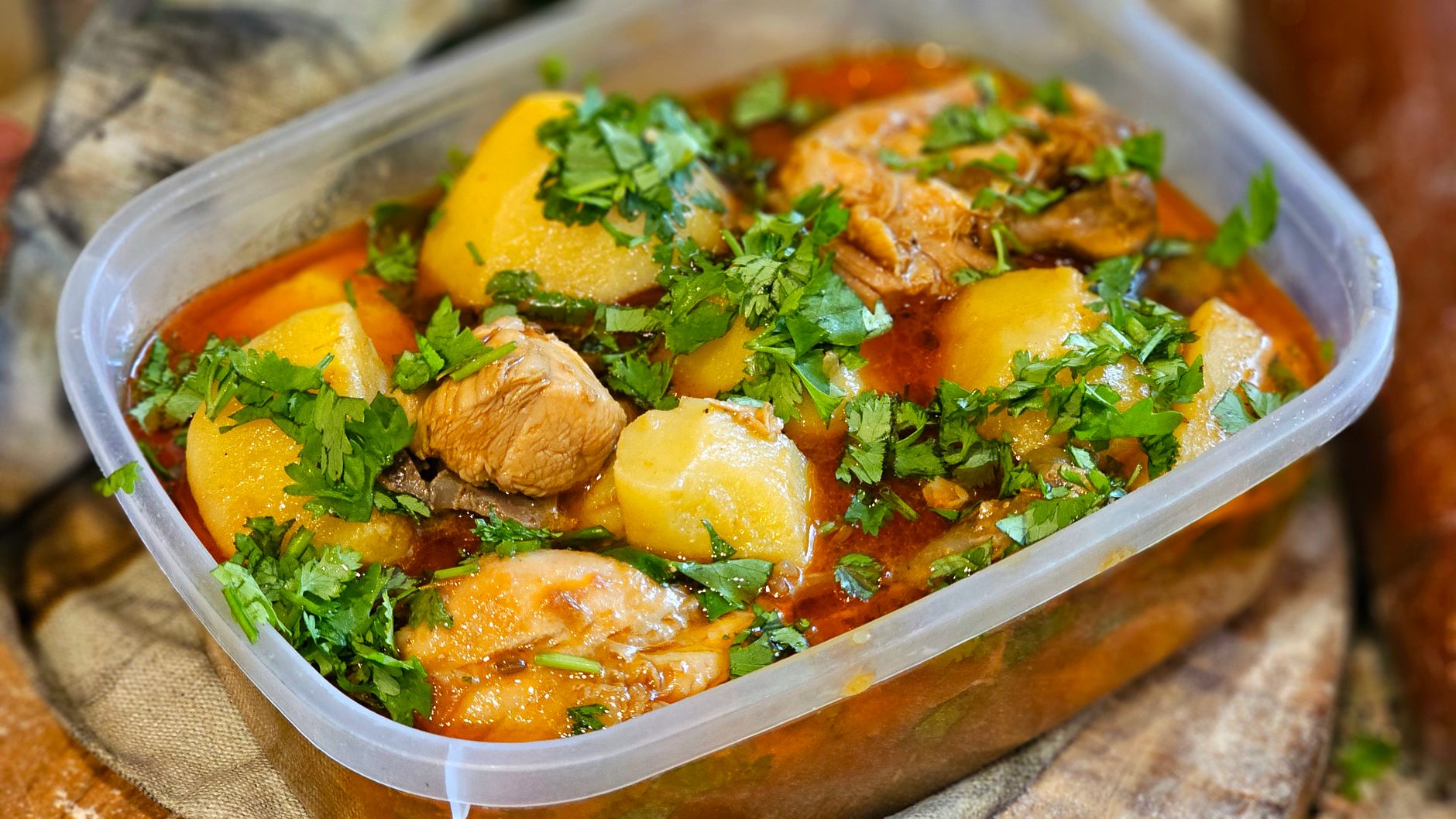
When it comes to cooked chicken, understanding its shelf life is crucial for both food safety and meal planning. Many people wonder how long they can store it in the fridge or freezer and what the best practices for handling cooked chicken are.
By knowing how long cooked chicken lasts, you can prevent food waste and enjoy your meals without unnecessary risk. In this article, we’ll cover the storage durations of cooked chicken, how to recognize when it’s spoiled, and effective storage tips to keep the chicken safe and flavorful.
How Long Does Cooked Chicken Last?
Cooked chicken typically lasts for 3 to 4 days in the refrigerator and about 2 to 6 months in the freezer. The exact duration can vary based on storage conditions and the type of cooked chicken. Always store chicken in airtight containers and check for signs of spoilage before consuming.
Factors That Affect the Shelf Life of Cooked Chicken
Several factors can influence how long cooked chicken remains safe to eat including storage methods, the initial cooking process, and the presence of other ingredients.
1. Storage Temperature
Cooked chicken should be stored at proper temperatures. The fridge should be set to 40°F (4°C) or colder, while the freezer should be at 0°F (-18°C). Any temperature fluctuations can lead to bacteria growth.
2. Type of Cooked Chicken
Different cooking methods or preparations can impact longevity. For instance:
- Grilled Chicken: Lasts about 3 to 4 days in the fridge.
- Roasted Chicken: Similar to grilled chicken; also lasts 3 to 4 days.
- Chicken in Sauce: Can last slightly longer due to added preservatives in sauces, but should still be consumed within 3 to 4 days.
3. Initial Cooking Conditions
If chicken is cooked and stored immediately after cooling, it has a better chance of lasting longer than chicken left out at room temperature for extended periods. The USDA advises not to leave cooked chicken out for more than 2 hours.
How to Properly Store Cooked Chicken
Storing cooked chicken properly can help extend its freshness. Here are some practical tips to keep in mind:
1. Cool Down Before Storing
Allow the chicken to cool to room temperature before storage. Placing warm chicken directly in the fridge can raise the fridge temperature, increasing the risk of bacterial growth.
2. Use Airtight Containers
Transfer cooked chicken to airtight containers or wrap it tightly in foil or plastic wrap. This helps prevent the chicken from absorbing other odors and flavors from the fridge.
3. Label and Date
When storing chicken in the fridge or freezer, label containers with the date it was cooked or frozen. This helps with tracking and ensures you consume it within safe timeframes.
4. Portion Control
If you’re planning on freezing cooked chicken, consider portioning it into meal-sized servings. This minimizes the need to thaw and refreeze the same batch, preserving its quality.
Recognizing Spoiled Cooked Chicken
Knowing how to identify spoiled chicken is essential for safety. Look out for the following signs:
1. Off Smell
Fresh cooked chicken has a mild, pleasant scent. If it has a sour or foul odor, it’s best not to consume it.
2. Changes in Color
While cooked chicken may lose some color after a few days, a significant darkening or a greenish hue is a clear indication of spoilage.
3. Slimy Texture
If the chicken feels slimy or sticky to the touch, it’s no longer safe to eat. Fresh chicken should feel dry and firm.
4. Mold Growth
Any visible mold is an unmistakable sign of spoilage. If you see mold, discard the chicken immediately.
Freezing Cooked Chicken
Freezing is an effective way to extend the shelf life of cooked chicken. Below are tips for freezing cooked chicken safely and efficiently:
1. Cool Chicken Completely
As with refrigeration, let the chicken cool completely before placing it in the freezer to avoid raising the freezer temperature.
2. Use Freezer-Safe Containers
Airtight freezer-safe bags or containers are ideal for freezing cooked chicken. Squeeze out as much air as possible before sealing to prevent freezer burn.
3. Thawing Frozen Cooked Chicken
To safely thaw frozen cooked chicken, transfer it to the fridge and allow it to thaw overnight. It can also be thawed in the microwave if needed, but do not refreeze thawed chicken unless it was previously cooked again.
Meal Planning with Cooked Chicken
Cooked chicken is versatile and can be incorporated into many meals. Here are some ideas for using leftover cooked chicken:
1. Chicken Salads
Shredded cooked chicken can be tossed with greens, vegetables, and your favorite dressing for a quick and nutritious salad.
2. Wraps and Sandwiches
Using cooked chicken as a filling in wraps or sandwiches adds flavor and protein. Pair it with fresh veggies and your preferred condiments.
3. Soups and Stews
Adding cooked chicken to soups or stews is an excellent way to enhance their flavor and nutritional value. It can also help use up leftover chicken effectively.
4. Pasta Dishes
Incorporate cooked chicken into pasta dishes, combining it with sauces, vegetables, and cheese for delicious meals.
Cooking Chicken Safely
To reduce the risk of foodborne illness, it’s important to remember safe cooking practices:
1. Cook Thoroughly
Cook chicken to an internal temperature of at least 165°F (74°C) to eliminate harmful bacteria. Use a food thermometer to check.
2. Avoid Cross-Contamination
Use different cutting boards and utensils for raw and cooked chicken. Ensure hands are washed thoroughly after handling raw chicken.
3. Store Promptly
After cooking, store leftover chicken within two hours to inhibit bacterial growth.
Common Mistakes When Storing Cooked Chicken
Understanding common mistakes can help ensure food safety. Here are a few pitfalls to avoid:
1. Ignoring Expiration Dates
Don’t ignore the storage durations of cooked chicken. Eating it past its prime increases the risk of foodborne illness.
2. Refreezing After Thawing
Refreezing chicken that was not cooked again can compromise its safety. Only refreeze chicken if it was cooked after thawing.
3. Overpacking Containers
Do not overpack storage containers as this can impede proper cooling. Allow air circulation for faster and safer cooling.
Final Thoughts on Cooked Chicken Storage
Understanding how long cooked chicken lasts and how to store it properly is essential for food safety and minimizing waste.
By following the guidelines above, you can enjoy your chicken meals without worry. Remember to look for signs of spoilage and take precautions when reheating.
Explore our related articles for more tips on food storage, including how long chicken is good for in the fridge and can you freeze cooked chicken? These resources provide practical guidance to help you keep your meals fresh and safe.