
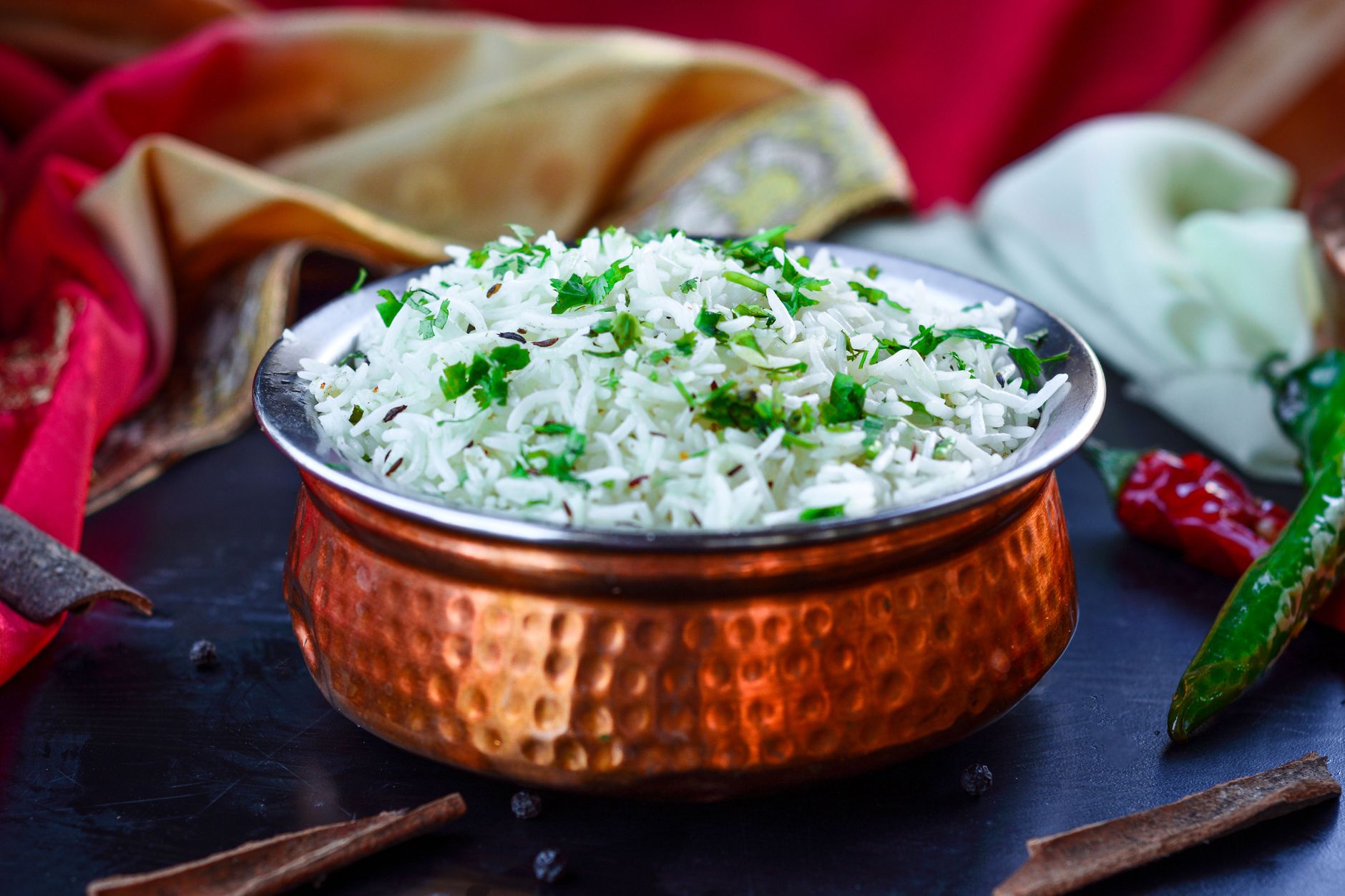
Basmati rice is a popular variety that is cherished for its unique aroma, fluffy texture, and nutty flavor. As with various rice types, a common question arises: Is basmati rice gluten free? This article explores whether basmati rice fits into gluten-free diets, what gluten is, and the culinary uses and health aspects of this beloved grain.
Understanding food allergies and dietary restrictions is essential for informed cooking and meal planning. As we delve into basmati rice, we will also look at how it can be incorporated into your meals, precautions for gluten-sensitive individuals, and some delightful recipes.
Is Basmati Rice Gluten Free?
Yes, basmati rice is gluten free. It is a naturally gluten-free grain that can be safely consumed by those with celiac disease or a gluten intolerance. This rice variety comes from specific grass species, which do not contain gluten proteins that can cause adverse reactions in sensitive individuals.
Understanding Gluten and Its Effects
Gluten is a protein found in wheat, barley, and rye. It acts as a binding agent in food, giving it a chewy texture. For most people, gluten is harmless, but for those with conditions like celiac disease or gluten sensitivity, it can trigger severe health issues including digestive problems, inflammation, and other symptoms.
For individuals diagnosed with these conditions or who choose gluten-free diets for health reasons, knowing which foods are safe to consume is crucial. Basmati rice and other rice types—like jasmine, brown, and arborio—are safe alternatives.
What is Basmati Rice?
Basmati rice is a long-grain, aromatic rice that originates from the Indian subcontinent, particularly the Himalayan region. It is known for its unique characteristics, which include:
- Flavor: Basmati rice has a nutty, floral aroma that enhances many dishes.
- Texture: After cooking, basmati rice remains fluffy and separates easily, rather than clumping together.
- Culinary Uses: Often used in Indian and Middle Eastern cuisines, basmati rice is ideal for pilafs, biryanis, and pairing with curries and other flavorful dishes.
Choosing and Cooking Basmati Rice
When selecting basmati rice, it helps to know what to look for. Here are some tips:
- Quality: Look for high-quality basmati, preferably labeled as “aged,” which has enhanced flavor and texture.
- Type: Choose between white and brown basmati rice; brown rice contains more nutrients due to the bran layer.
- Packaging: Ensure there are no signs of damage or contamination.
Preparation and Cooking Method
Cooking basmati rice is relatively straightforward. Below is a step-by-step method for preparing perfect basmati rice:
- Rinse the Rice: Measure the desired amount of basmati rice and rinse it under cold water until the water runs clear. This step removes excess starch and prevents the rice from becoming gummy.
- Soak the Rice: Soak the rinsed rice in water for about 30 minutes. This allows the grains to expand and results in a better texture.
- Boil Water: For every cup of rice, use about 1.5 to 2 cups of water, depending on the desired texture. Bring the water to a rolling boil in a pot.
- Add Rice: Once the water is boiling, add the soaked and drained rice. Stir gently to ensure even cooking.
- Simmer: Reduce the heat to low and cover the pot. Simmer for approximately 15-20 minutes, or until the water is absorbed and the rice is tender.
- Fluff the Rice: After cooking, turn off the heat and let the rice sit covered for another 5 minutes. Fluff the rice gently with a fork before serving.
Storing Basmati Rice
Basmati rice should be stored properly to maintain its quality, flavor, and texture:
- Uncooked Rice: Store uncooked basmati rice in an airtight container in a cool, dry place. Proper storage can extend its shelf life to several years.
- Cooked Rice: Leftover cooked basmati rice can be stored in the refrigerator in an airtight container for about 3-5 days. Always allow the rice to cool before placing it in the fridge.
- Freezing Rice: For longer storage, you can freeze cooked basmati rice. Place it in airtight containers or bags and use it within 1-2 months for best quality.
Common Mistakes When Cooking Basmati Rice
While cooking basmati rice is generally easy, there are common pitfalls to avoid:
- Not Rinsing: Failing to rinse the rice properly can lead to overly sticky rice.
- Too Much Water: Adding too much water can cause clumping, while too little may lead to hard, undercooked grains.
- Skipping the Soak: Skipping the soaking step can negatively affect the final texture.
Flavor Pairings and Serving Suggestions
Basmati rice pairs well with numerous dishes and flavors:
- Curry: Pair with chicken, vegetable, or lentil curries.
- Pilaf: Enhance with spices, nuts, or dried fruits for a flavorful side dish.
- Salads: Incorporate into grain salads for added texture and nutrition.
- Stuffed Peppers: Use basmati rice as a filling for stuffed vegetables.
Recipes Featuring Basmati Rice
Here are a couple of delicious recipes you can try, utilizing basmati rice:
Simple Basmati Rice Pilaf
This dish infuses basmati rice with aromatic spices, making it a perfect accompaniment to various entrees.
- 1 cup basmati rice
- 2 cups vegetable or chicken broth
- 1 small onion, finely chopped
- 2 tablespoons olive oil or butter
- 1 teaspoon cumin seeds
- Salt to taste
- Rinse and soak the rice as mentioned previously.
- In a pot, heat the olive oil or butter, then add the chopped onion and cumin seeds. Sauté until the onion becomes translucent.
- Add the rice and fry for a minute to coat the grains in oil.
- Pour in the broth and salt. Bring to a boil, then cover and reduce to low heat for 15-20 minutes.
- Fluff the rice before serving alongside your favorite protein or vegetable dish.
Basmati Rice with Vegetables
This colorful vegetable rice dish is packed with nutrients and flavor.
- 1 cup basmati rice
- 2 cups water or vegetable broth
- 1 cup mixed vegetables (carrots, peas, bell peppers)
- 2 tablespoons olive oil
- Salt and pepper to taste
- Rinse and soak the rice.
- In a saucepan, heat olive oil, add mixed vegetables, and sauté for 2-3 minutes.
- Add the rinsed rice and stir for a minute.
- Pour in the water or broth and season with salt and pepper. Bring to a boil.
- Cover, reduce heat to low, and cook for 15-20 minutes until the rice is tender and the liquid is absorbed.
Health Benefits of Basmati Rice
Besides being gluten free, basmati rice offers several health benefits:
- Low Glycemic Index: Compared to other rice types, basmati has a lower glycemic index, making it a better option for blood sugar management.
- Rich in Nutrients: It is a good source of carbohydrates and provides essential vitamins and minerals, particularly in its whole grain form.
- Dietary Fiber: Brown basmati rice contains higher dietary fiber, promoting digestive health.
How to Ensure Basmati Rice Remains Gluten-Free
While basmati rice is naturally gluten-free, there are steps to ensure it remains uncontaminated:
- Check Labels: When purchasing packaged basmati rice, check for gluten-free certifications to avoid cross-contamination.
- Avoid Shared Equipment: If preparing multiple dishes, ensure that preparation surfaces and utensils used for gluten-containing foods are thoroughly cleaned before handling basmati rice.
Practical Tips for Cooking Gluten-Free Meals
When creating gluten-free meals that include basmati rice, here are some additional tips to bear in mind:
- Ingredient Checks: Always read ingredient labels for sauces and condiments to ensure they are gluten-free.
- Flavor with Herbs: Use fresh herbs and spices to enhance flavor without relying on gluten-containing seasoning blends.
- Variety is Key: Explore various gluten-free grains like quinoa, millet, or amaranth to add more variety to your meals.
In summary, basmati rice is an excellent gluten-free staple that adds flavor and nutrition to many dishes. With its delightful texture and aromatic qualities, it can enhance your gluten-free meals significantly. Whether preparing a simple pilaf or an elaborate curry, this rice variety has a place in your pantry.
For more exciting gluten-free options, explore our gluten-free gnocchi recipe or check out our gluten-free waffle recipe to jumpstart your gluten-free cooking adventures.