
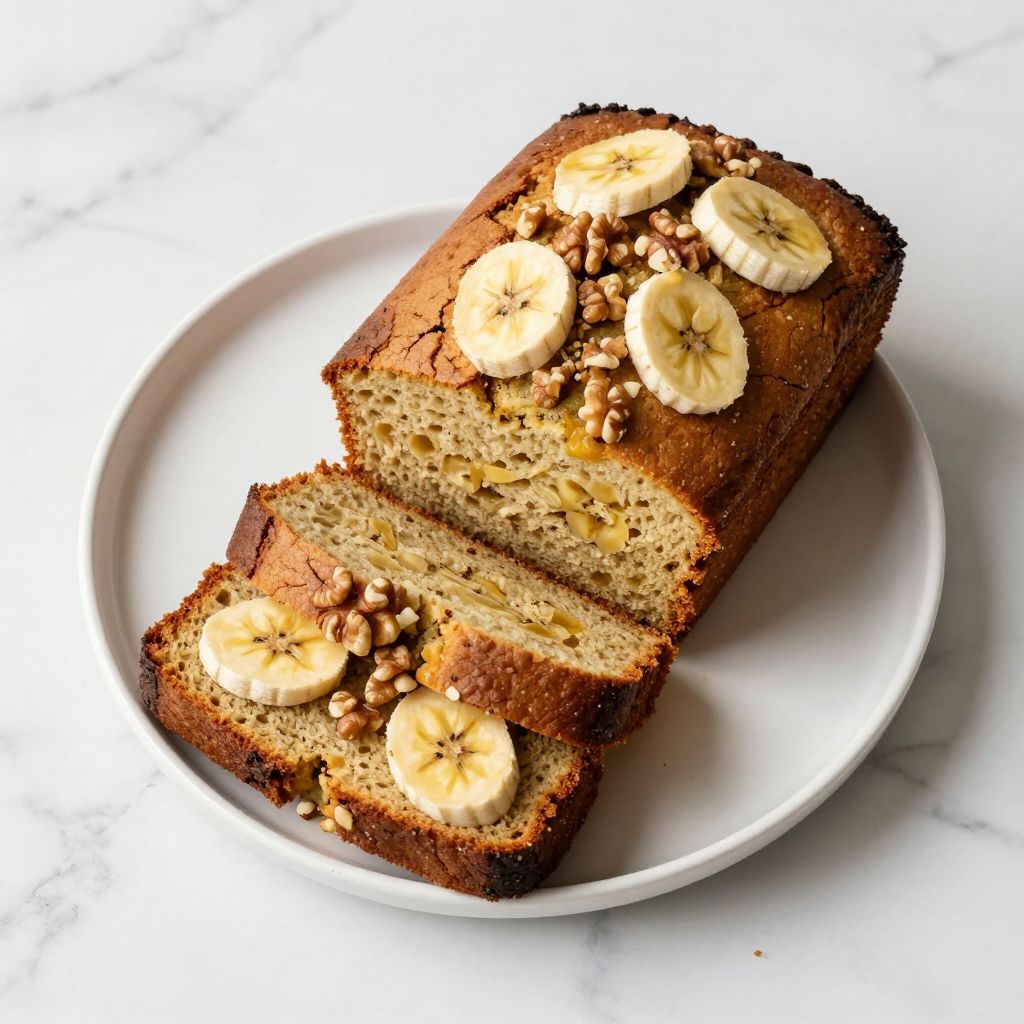
Banana bread is one of those treats you want to keep moist and flavorful for as long as possible, whether you baked a single loaf or doubled the batch. Knowing how to store it properly means you can enjoy tender slices for days without them drying out or developing off flavors. This guide covers the best methods for storing banana bread at room temperature, in the refrigerator, and in the freezer, plus tips for keeping it fresh and delicious.
The right storage method depends on how soon you plan to eat the loaf and whether your kitchen runs warm or humid. With the proper wrapping and containers, you can extend banana bread’s shelf life from a few days to several months while preserving its signature soft crumb and sweet banana flavor.
How Should You Store Banana Bread?
Store banana bread at room temperature for up to four days by wrapping it tightly in plastic wrap or aluminum foil, or place it in an airtight container. For longer storage, refrigerate wrapped banana bread for up to one week, or freeze it for up to three months. The key to keeping banana bread moist is preventing air exposure, which dries out the crumb and accelerates staling.
Room Temperature Storage for Short-Term Freshness
Room temperature is the best choice when you plan to finish the loaf within a few days. Banana bread stays soft and flavorful without refrigeration as long as you protect it from air and humidity.
Let the loaf cool completely on a wire rack before wrapping. Trapping steam from a warm loaf creates condensation inside the wrapping, which leads to soggy spots and encourages mold growth. Plan for at least two hours of cooling time.
Once cool, wrap the entire loaf tightly in plastic wrap, pressing the wrap against the surface to eliminate air pockets. For extra protection, add a second layer of aluminum foil over the plastic wrap. This double wrapping locks in moisture and keeps the crust from drying out.
Store the wrapped loaf in a cool, dry spot away from direct sunlight and heat sources. A bread box, pantry shelf, or kitchen counter works well. Avoid placing it near the stove, oven, or windowsill, where temperature fluctuations speed up staling.
If you prefer using a container, choose one with a tight-fitting lid. Place the whole loaf or individual slices inside, leaving minimal air space. A cake keeper or plastic storage container with a snap-on lid works perfectly.
Signs Your Banana Bread Has Gone Bad at Room Temperature
Check for visible mold, which appears as fuzzy green, white, or black spots on the surface or along the edges. Any mold means the entire loaf should be discarded, as mold roots spread deeper than what you can see.
An off smell that is sour, musty, or alcoholic indicates spoilage. Fresh banana bread smells sweet and faintly of banana and warm spices. Trust your nose if something seems wrong.
Excessive dryness or a hard, crumbly texture means the bread has staled beyond enjoyable eating, though it is still safe if no mold is present. At that point, consider using it for bread pudding or French toast.
Refrigerating Banana Bread for Extended Freshness
Refrigeration extends banana bread’s shelf life to about one week, making it a practical choice if your kitchen is warm or humid, or if the loaf contains perishable add-ins like cream cheese frosting or fresh fruit.
Wrap the cooled loaf the same way you would for room temperature storage: tightly in plastic wrap, then in aluminum foil, or place it in an airtight container. Proper wrapping prevents the bread from absorbing refrigerator odors and drying out in the low-humidity environment.
Refrigeration does firm up the texture slightly. The starches in banana bread retrograde, or recrystallize, faster in cold temperatures, which makes the crumb feel denser. This is not spoilage, just a textural shift.
To restore softness, let refrigerated slices come to room temperature for about 20 minutes before serving, or warm them briefly in the microwave. Heat one slice on medium power for 10 to 15 seconds, checking to avoid overheating, which toughens the texture.
When Refrigeration Makes the Most Sense
Refrigerate banana bread if your home stays above 75°F (24°C), especially in summer. Warm, humid conditions promote mold growth, and refrigeration slows that process significantly.
Loaves with cream cheese swirls, buttercream frosting, or fresh berries mixed into the batter need refrigeration within two hours of baking. These ingredients are perishable and spoil quickly at room temperature.
If you know you will not finish the loaf within four days but want to avoid freezing, refrigeration is a reasonable middle ground.
Freezing Banana Bread for Long-Term Storage
Freezing is the best method for keeping banana bread fresh for up to three months. The texture and flavor remain remarkably close to fresh-baked when you wrap and thaw the loaf properly.
Cool the loaf completely, then decide whether to freeze it whole or in slices. Freezing individual slices lets you thaw only what you need, which is convenient for quick breakfasts or snacks.
For a whole loaf, wrap it tightly in plastic wrap, then in aluminum foil, and place it inside a freezer-safe resealable bag. Press out as much air as possible before sealing. Label the bag with the date so you can track how long it has been frozen.
For slices, place a small piece of parchment paper or wax paper between each slice to prevent them from sticking together. Stack the slices, wrap the entire stack in plastic wrap and foil, and place it in a freezer bag.
Banana bread freezes well because its high moisture content and fat from oil or butter protect it from freezer burn. Still, proper wrapping is essential to maintain quality over time.
Thawing Frozen Banana Bread
Thaw a whole loaf by leaving it in its wrapping at room temperature for two to three hours. The wrapping traps moisture released during thawing, which keeps the bread from drying out.
For faster thawing, unwrap the loaf and microwave it on the defrost setting in 30-second intervals, checking frequently. Be cautious, as microwaving too long creates hot spots and a rubbery texture.
Individual slices thaw in about 20 minutes at room temperature or in 10 to 15 seconds in the microwave on medium power. You can also toast frozen slices directly from the freezer, which crisps the edges and warms the center.
Once thawed, treat banana bread like freshly baked. Eat it within three to four days if stored at room temperature, or refrigerate it if you need a few extra days.
Storing Banana Bread with Mix-Ins and Toppings
Banana bread with chocolate chips, nuts, or dried fruit stores the same way as plain banana bread. These ingredients are shelf-stable and do not change the storage method or timeline.
Loaves with streusel toppings, glaze, or icing need a bit more care. Wrap them loosely in plastic wrap so the topping does not stick, or place the loaf in a container tall enough to avoid contact with the lid. Refrigerate glazed or frosted banana bread if the topping contains butter, cream cheese, or milk.
If you plan to freeze banana bread with a glaze or frosting, freeze the loaf unwrapped on a baking sheet until the topping is solid, then wrap it tightly. This prevents the topping from smearing or sticking to the wrapping.
Common Mistakes That Shorten Banana Bread’s Shelf Life
Wrapping banana bread while it is still warm traps steam, which creates a damp environment perfect for mold. Always cool the loaf completely before wrapping or storing.
Using a loosely tied bag or a container with a poor seal lets air in, which dries out the bread and speeds up staling. Tight wrapping and airtight containers are non-negotiable for maintaining moisture.
Storing banana bread near strong-smelling foods like onions or garlic can lead to flavor transfer, especially in the refrigerator. Keep it wrapped well and away from pungent items.
Refreezing thawed banana bread degrades the texture and increases the risk of freezer burn. Thaw only what you plan to eat, and consider freezing in slices from the start for better portion control.
Reviving Stale or Dry Banana Bread
If banana bread has dried out but shows no signs of mold, you can revive it with gentle heat and moisture. Wrap individual slices in a damp paper towel and microwave on medium power for 10 to 15 seconds. The steam softens the crumb without making it soggy.
For a whole loaf, wrap it in aluminum foil and warm it in a 300°F (150°C) oven for 10 to 15 minutes. The foil traps moisture and redistributes it through the loaf, improving the texture.
Another option is to turn stale banana bread into French toast. Dip thick slices in an egg and milk mixture, cook them in butter until golden, and serve with maple syrup. The custard soak and pan-frying transform dry bread into a rich, satisfying breakfast.
Bread pudding is another excellent use for stale banana bread. Cube the bread, soak it in a custard of eggs, milk, sugar, and vanilla, and bake until set. The result is a warm, comforting dessert that wastes nothing.
How Long Does Banana Bread Last?
At room temperature, properly wrapped banana bread stays fresh for three to four days. In the refrigerator, it lasts up to one week. In the freezer, it maintains quality for up to three months.
These timelines assume the bread was stored correctly from the start. If you notice any mold, off smells, or significant texture changes before these timeframes, discard the loaf.
Homemade banana bread without preservatives has a shorter shelf life than store-bought versions, which often contain additives to extend freshness. This is normal and not a sign of a problem with your recipe or technique.
Frequently Asked Questions
Can you store banana bread in a plastic bag?
Yes, a resealable plastic bag works well for storing banana bread at room temperature or in the freezer, as long as you press out excess air before sealing. For room temperature storage, place the wrapped loaf inside the bag for an extra layer of protection. For freezing, use a freezer-safe bag to prevent freezer burn.
Should you refrigerate banana bread with chocolate chips?
Banana bread with chocolate chips does not require refrigeration unless your kitchen is very warm or humid. Chocolate chips are shelf-stable and do not spoil quickly. Store the loaf at room temperature for up to four days, or refrigerate it if you prefer a longer shelf life or if the bread also contains perishable ingredients like cream cheese.
Can you freeze banana bread batter instead of baked loaf?
Yes, you can freeze banana bread batter in a greased and lined loaf pan, wrapped tightly in plastic wrap and aluminum foil, for up to three months. Bake it directly from frozen, adding 15 to 20 minutes to the usual baking time. Check doneness with a toothpick inserted into the center, which should come out clean or with a few moist crumbs.
Why does my banana bread get soggy in the container?
Banana bread becomes soggy when stored before it has cooled completely. The trapped steam condenses inside the container and saturates the crumb. Always let the loaf cool fully on a wire rack, which takes about two hours, before wrapping or placing it in a container.
Can you store banana bread in the bread box?
Yes, a bread box is an excellent place to store banana bread at room temperature. Wrap the loaf tightly in plastic wrap or place it in an airtight container before putting it in the bread box. The bread box provides a stable, dark environment that protects the loaf from light and temperature fluctuations while allowing just enough air circulation to prevent sogginess.
How do you keep banana bread moist after cutting?
Press a piece of plastic wrap directly against the cut surface before wrapping the rest of the loaf. This prevents the exposed crumb from drying out. Alternatively, store the loaf cut-side down on a plate, then cover the entire loaf tightly with plastic wrap or place it in a container.
Proper storage keeps banana bread moist, flavorful, and ready to enjoy whenever you want a slice. Whether you are keeping it on the counter for a few days or freezing it for later, the right wrapping and containers make all the difference. For more ways to enjoy this classic treat, explore a banana bread recipe with oil for extra tenderness, or try a keto banana bread recipe for a low-carb twist on the original.