
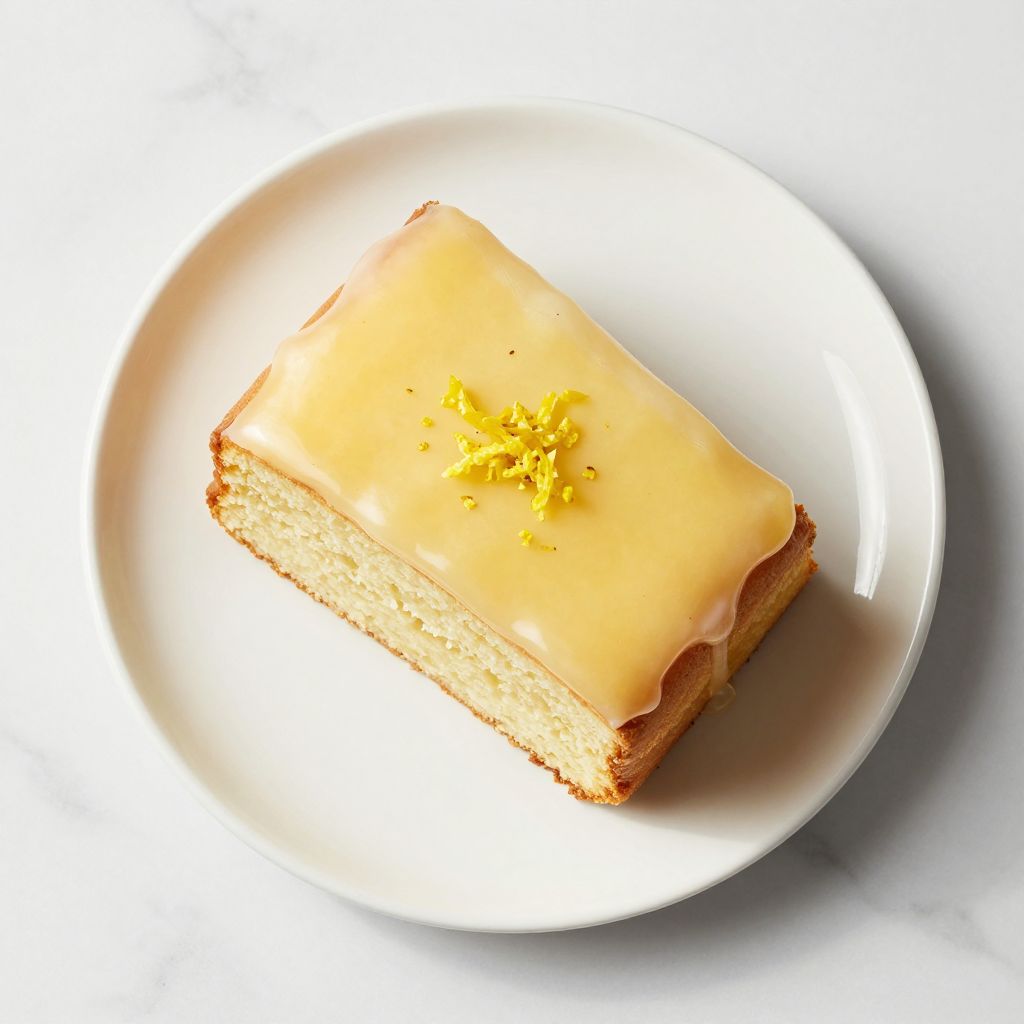
Picture a slice of golden cake catching the afternoon light, its tender crumb practically glowing on your plate. The Sunshine Cake earned its name for good reason: this bright, citrus-forward dessert brings pure joy to any table, whether you’re celebrating a birthday or simply craving something that tastes like happiness.
What makes this recipe special is its balance of simplicity and elegance. You get a naturally moist, fluffy cake with bold lemon flavor, topped with a glossy lemon glaze that sets beautifully without being overly sweet or heavy.
Home bakers love it because the technique is forgiving, the ingredient list is short, and the result feels fancy enough to impress guests. This cake strikes that rare sweet spot where impressive taste never demands complicated steps.
Why You’ll Love This Recipe
The Sunshine Cake delivers bright citrus flavor in a tender, moist crumb that stays fresh for days. It’s simple enough for weeknight baking but elegant enough for special occasions.
- Naturally moist texture that doesn’t require simple syrup or extra glazing tricks
- Bold lemon flavor that tastes fresh, not artificial or overly tart
- The glaze sets up perfectly, creating a beautiful finish that’s not sticky
- Works beautifully as a layer cake, sheet cake, or loaf
- Stores well and tastes even better the next day as flavors meld
My Experience Making This Recipe
I first baked this cake on a gray March afternoon when I needed something to lift my mood. The kitchen filled with the most incredible lemon aroma within minutes, and I knew I’d found a keeper.
The batter comes together in about ten minutes with a basic creaming method, nothing fussy or temperamental. When I pulled it from the oven, the top had that gorgeous golden-brown color, and the cake stayed moist all the way through to the center.
My family demolished half the cake before dinner that night. Every person who tried it asked for the recipe, which tells you something about how universally loved this dessert really is.
Recipe Overview
- Recipe Name: Sunshine Cake
- Servings: 12 servings
- Prep Time: 15 minutes
- Cook Time: 35 minutes
- Total Time: 50 minutes
- Course: Dessert
- Cuisine: American
- Calories per Serving: 285 calories
Equipment You Will Need
- 9-inch round cake pan (or 8×8-inch square pan)
- Parchment paper
- Mixing bowls (large and medium)
- Electric mixer or whisk
- Measuring cups and spoons
- Microplane zester or box grater
- Cooling rack
- Wooden skewer or cake tester
- Whisk for glazing
- Wire rack or plate for serving
Ingredients for Sunshine Cake
- All-purpose flour 1.5 cups (190 grams)
- Baking powder 1.5 teaspoons
- Salt 0.5 teaspoon
- Unsalted butter 0.5 cup (115 grams), softened to room temperature
- Granulated sugar 1 cup (200 grams)
- Eggs 3 large eggs
- Fresh lemon juice 3 tablespoons
- Lemon zest 2 tablespoons (from about 2 medium lemons)
- Greek yogurt or sour cream 0.5 cup (120 grams)
- Vanilla extract 1 teaspoon
For the Lemon Glaze
- Powdered sugar 1.5 cups (180 grams)
- Fresh lemon juice 2 to 3 tablespoons
- Lemon zest 0.5 teaspoon (optional, for garnish)
- Water 1 tablespoon (if needed for consistency)
Ingredient Notes and Substitutions
- Fresh lemon juice: This provides bright acidity that cuts through the sweetness and prevents the cake from tasting one-dimensional. Bottled lemon juice works in a pinch but tastes noticeably duller; fresh is worth the effort.
- Lemon zest: The oils in the zest deliver intense flavor that juice alone cannot match. If you don’t have fresh lemons, omit the zest rather than using dried; the cake will be less bright but still good.
- Greek yogurt or sour cream: Either adds moisture and tang that enhances the lemon flavor without making the cake dense. You can substitute regular yogurt (not Greek) if you thin it slightly with milk, or use buttermilk with slightly less liquid overall.
- Eggs: Room-temperature eggs incorporate more evenly into the batter, creating a finer crumb. Cold eggs can be warmed by placing them in a bowl of warm water for 5 minutes.
- Unsalted butter: Salted butter will work but throws off the recipe’s salt balance; stick with unsalted and control seasoning yourself.
How to Make Sunshine Cake
Step 1: Preheat and Prepare Your Pan
Preheat your oven to 350 degrees Fahrenheit. Grease a 9-inch round cake pan with butter or cooking spray, then line the bottom with parchment paper and grease the parchment as well.
This two-step approach prevents sticking and makes the cooled cake easy to invert and remove. A stuck cake is nobody’s idea of fun.
Step 2: Combine Dry Ingredients
In a medium bowl, whisk together the flour, baking powder, and salt. Whisk vigorously for about 30 seconds to combine and aerate the flour, which helps the cake rise evenly.
Setting these dry ingredients aside prevents lumps from forming when you fold them into the wet mixture later. This simple step makes a noticeable difference in your final crumb.
Step 3: Zest and Juice Your Lemons
Using a microplane zester or the small holes on a box grater, zest both lemons directly into a small bowl. You need 2 tablespoons of zest; measure it loosely packed so you capture maximum flavor.
Cut the lemons in half and juice them, straining out any pulp and seeds into another bowl. You’ll need about 5 tablespoons total lemon juice (3 for the batter, 2 to 3 for the glaze).
Step 4: Cream Butter and Sugar
In a large mixing bowl, combine the softened butter and granulated sugar. Using an electric mixer on medium speed, beat for 3 to 4 minutes until the mixture is light, fluffy, and noticeably pale in color.
This creaming step incorporates air into the butter, which helps the cake rise and achieve a tender crumb. Don’t skip this or rush it; the color change signals that you’ve beaten in enough air.
Step 5: Add Eggs One at a Time
Add the first egg to the butter mixture and beat on medium speed for about 1 minute until fully incorporated. The mixture may look slightly separated at first; keep mixing and it will come together.
Repeat with the second and third eggs, beating after each addition for about 1 minute. Adding eggs gradually rather than all at once creates a more stable, emulsified batter that won’t curdle.
Step 6: Fold in the Dry Ingredients and Wet Components
Stir the lemon zest, lemon juice, and vanilla extract into the Greek yogurt. Add about one-third of the flour mixture to the butter-egg mixture and stir gently with a spatula until just barely combined, about 10 to 15 strokes.
Pour about half of the yogurt mixture into the batter and fold in gently. Then add another third of the flour, fold until just combined, add the remaining yogurt mixture, and finally fold in the last of the flour.
Stop folding as soon as you don’t see streaks of flour. Overmixing toughens the cake by developing gluten, so gentleness here pays off in your final texture.
Step 7: Pour and Bake
Pour the batter into your prepared pan, smoothing the top with a spatula. Bake in the preheated oven for 33 to 38 minutes, until a wooden skewer or cake tester inserted into the center comes out with just a few moist crumbs attached (not wet batter, but a touch of moistness is fine).
The top should be golden brown and the cake should spring back slightly when lightly touched. Overbaking dries out the cake, so err on the side of checking early rather than late.
Step 8: Cool and Prepare for Glazing
Let the cake cool in the pan for 10 minutes, then turn it out onto a wire cooling rack. Let it cool completely to room temperature before glazing, about 1 hour, which allows the crumb to set and prevents the glaze from melting off.
This patience is worth it. A warm cake will cause the glaze to slip right off the sides instead of setting up into that beautiful matte finish.
Step 9: Make and Apply the Glaze
In a small bowl, whisk together the powdered sugar, 2 tablespoons of lemon juice, and lemon zest if using. Whisk until smooth, adding the remaining lemon juice or a tablespoon of water if the glaze is too thick.
The glaze should flow slowly when spooned but not be runny; it should set up to a matte finish rather than staying wet. Drizzle the glaze over the cooled cake, letting it pool slightly on top and drip down the sides naturally.
Pro Tip: Let the glaze set for at least 20 minutes before slicing so it firms up instead of cracking under the knife.
Tips for the Best Sunshine Cake
- Use room-temperature eggs and butter so they incorporate smoothly without temperature shock to the batter. Cold ingredients create lumpy, separated batters that produce dense, uneven crumbs.
- Don’t overmix after adding the flour, even if you see a few flour streaks. Mixing develops gluten, which toughens the cake; a few streaks blend out as the cake bakes.
- Choose lemons that feel heavy for their size, which signals they’re juicy. Thin-skinned lemons typically yield more juice than thick-skinned ones.
- Zest your lemons before juicing them so you get all the fragrant oils without struggling to zest the cut halves. A microplane zester produces finer zest than a box grater and tastes less bitter.
- Make the glaze right before you’re ready to use it so it’s the perfect consistency when you apply it. Glaze that sits too long thickens and becomes hard to spread.
Common Mistakes to Avoid
- Using bottled lemon juice instead of fresh: The flavor is noticeably duller and more chemical-tasting, which defeats the whole point of a cake named after sunshine.
- Skipping the creaming step or rushing it: This prevents adequate air incorporation, resulting in a dense, heavy cake that doesn’t rise properly.
- Adding cold eggs directly to room-temperature butter: The temperature shock causes the batter to break and look curdled, leading to an uneven crumb.
- Overbaking the cake by checking too late: A dry, crumbly cake tastes mealy no matter how good the glaze is. Pull it out when the skewer shows just a touch of moisture.
- Glazing the cake while it’s still warm: The warm cake melts the glaze right off instead of letting it set into that beautiful matte finish you’re after.
Serving Suggestions
Sunshine Cake shines brightest on its own with a cup of tea or coffee, but it pairs beautifully with fresh berries, whipped cream, or a scoop of vanilla ice cream. Serve it at room temperature so the tender crumb and moist texture come through fully.
- With fresh raspberries or blueberries for a pop of tartness that echoes the lemon
- Alongside whipped cream lightly sweetened with vanilla for richness that balances the bright citrus
- With Greek yogurt for a creamy, tangy contrast that makes this feel almost breakfast-appropriate
- As the base for a simple lemon trifle with layers of whipped cream and fresh berries
- With a small scoop of lemon or vanilla ice cream on a warm day for a refreshing dessert
Variations to Try
- Glazed Lemon Layer Cake: Bake the batter in two 8-inch pans, cool completely, and fill with lemon curd or whipped cream between the layers before glazing the whole cake. The extra height and filling make it stunning for special occasions.
- Poppy Seed Sunshine Cake: Stir 2 tablespoons of poppy seeds into the batter for a subtle nuttiness and pleasant texture contrast. The poppy seeds add visual interest and a delicate crunch.
- Blueberry Sunshine Cake: Fold 1 cup of fresh or frozen blueberries into the batter just before pouring it into the pan. Toss frozen berries in a bit of flour first so they don’t sink to the bottom.
- Coconut Sunshine Cake: Reduce the flour to 1 cup and add 0.5 cup of unsweetened shredded coconut, keeping everything else the same. This adds tropical flavor that complements the lemon beautifully.
- Mini Sunshine Cakes: Divide the batter among a muffin tin and bake for 18 to 22 minutes instead of 35 minutes. Glaze each mini cake individually for elegant individual servings.
Dietary Adaptations
- Gluten-free: Replace the all-purpose flour with a gluten-free all-purpose flour blend that includes xanthan gum (or add 0.25 teaspoon xanthan gum separately). The cake may be slightly more tender but bakes up beautifully without a noticeable texture loss.
- Dairy-free: Substitute the Greek yogurt with dairy-free yogurt (coconut or oat-based works well) and use dairy-free butter for the creaming step. The cake turns out equally moist and flavorful; the glaze remains the same since powdered sugar and lemon juice are both naturally dairy-free.
- Vegan: Replace the butter with vegan butter in equal amounts and substitute the 3 eggs with a flax egg (3 tablespoons ground flaxseed mixed with 9 tablespoons water, let sit 5 minutes). Use dairy-free yogurt and the result tastes just as rich and moist as the original.
- Low-carb or Keto: This recipe is not easily adaptable to low-carb or keto due to the flour and sugar base. A different recipe focused on almond flour or monk fruit sweetener would serve those needs better.
Storage and Reheating
Refrigerator
Store the glazed cake in an airtight container on a shelf, not in the fridge itself, for up to 4 days. Cold temperatures stale cake faster than room temperature.
- Keep the cake uncovered on a plate at room temperature under a cake dome or large bowl for the first day
- After one day, wrap it tightly with plastic wrap if you’re storing it longer
- The cake tastes better and more moist on day two or three as flavors develop
Freezer
Wrap the unglazed, cooled cake tightly in plastic wrap and then aluminum foil before freezing for up to 3 months. The glaze is best applied fresh rather than after thawing.
- Thaw the wrapped cake at room temperature for 2 to 3 hours before unwrapping
- Glaze the thawed cake just before serving for the best texture and appearance
- The cake thaws evenly and tastes as fresh as the day it was baked
Reheating
This cake is best served at room temperature, but you can warm individual slices gently if desired. Never microwave the whole cake as it becomes dry and dense.
- Wrap a slice loosely in foil and warm in a 300-degree oven for 5 to 10 minutes
- A 10-second microwave burst works for a single slice, though it won’t taste quite as tender
- The cake never needs reheating, so serve it chilled or at room temperature as you prefer
Nutrition Information
| Nutrient | Amount |
|---|---|
| Calories | 285 |
| Total Fat | 11 grams |
| Saturated Fat | 6 grams |
| Carbohydrates | 42 grams |
| Fiber | 0.5 grams |
| Sugar | 28 grams |
| Protein | 4 grams |
| Sodium | 240 milligrams |
| Cholesterol | 62 milligrams |
These values are approximate and calculated using standard USDA ingredients and a 12-serving cake. Actual nutrition varies based on specific brands and ingredient choices.
Frequently Asked Questions
Can I make this cake without zest?
You can skip the zest if you must, but the cake loses its most complex, vibrant lemon flavor. Use 4 tablespoons of fresh lemon juice instead of 3 to make up for some of the missing brightness, though it won’t taste quite as rich or layered.
How do I know when the cake is truly done baking?
Insert a wooden skewer into the very center of the cake; it should come out with just a few moist crumbs clinging to it, not wet batter. If you see liquid batter, bake for another 2 to 3 minutes and test again.
Why did my glaze crack when I sliced the cake?
The glaze likely didn’t set long enough before cutting. Allow at least 20 to 30 minutes for the glaze to firm up; if you’re in a hurry, pop the glazed cake into the fridge for 10 minutes and it will set much faster without becoming rock-hard.
Can I make this cake ahead and freeze it?
Yes, freeze the unglazed cake wrapped tightly for up to 3 months. Thaw it at room temperature for 2 to 3 hours, then glaze it fresh just before serving for the best appearance and texture.
What’s the best way to get the lemon flavor stronger?
Increase the zest to 2.5 tablespoons and add an extra 0.5 tablespoon of fresh lemon juice to the batter. Don’t go much further than this, as too much lemon juice can negatively affect the cake’s rise and texture.
Can I use Meyer lemons instead of regular lemons?
Absolutely. Meyer lemons are sweeter and less acidic, so they create a gentler, more delicate lemon flavor in the finished cake. You might want to add a tiny squeeze of regular lemon juice to the glaze if the Meyer lemons seem very mild.
Final Thoughts
The Sunshine Cake is proof that simple ingredients in the right proportions create something truly special. This is the kind of cake you’ll find yourself baking again and again because the technique is easy, the results are consistently excellent, and everyone loves it.
Go ahead and make this cake this week. Let your kitchen fill with that incredible lemon aroma and share the joy with someone you care about.
If you loved this sunshine-bright dessert, explore more of our cake recipes to find your next favorite. Try our Butterfinger Cake Recipe for a delicious chocolate and candy twist, or discover the classic elegance of our Original German Chocolate Cake Recipe from 1957.
Sunshine Cake
Ingredients
Equipment
Method
- Preheat your oven to 350°F (175°C). Grease a 9-inch round cake pan with butter or cooking spray, line the bottom with parchment paper, and grease the parchment.
- In a medium bowl, whisk together the all-purpose flour, baking powder, and salt for about 30 seconds until combined and aerated.
- Zest two lemons on a microplane to yield 2 tablespoons of zest. Juice the lemons, strain out any seeds or pulp, and reserve 5 tablespoons of juice.
- In a large mixing bowl, beat the softened unsalted butter and granulated sugar on medium speed for 3 to 4 minutes until light, fluffy, and pale.
- Add the three eggs one at a time, beating for about 1 minute after each addition until fully incorporated.
- Stir the lemon zest, 3 tablespoons of lemon juice, and vanilla extract into the Greek yogurt. Add one-third of the flour mixture to the butter-egg mixture and fold gently with a spatula for about 10 to 15 strokes. Fold in half of the yogurt mixture, then another third of the flour, the remaining yogurt mixture, and finally the last of the flour, stopping when no flour streaks remain.
- Pour the batter into the prepared pan and smooth the top with a spatula. Bake at 350°F (175°C) for 33 to 38 minutes, or until a wooden skewer inserted into the center comes out with just a few moist crumbs and the top is golden brown.
- Let the cake cool in the pan for 10 minutes, then invert onto a wire rack and cool completely to room temperature, about 1 hour.
- In a small bowl, whisk together the powdered sugar, 2 tablespoons of lemon juice, and lemon zest until smooth, adding up to 1 tablespoon of water if the glaze is too thick. Drizzle evenly over the cooled cake, let it set for at least 20 minutes before slicing.