
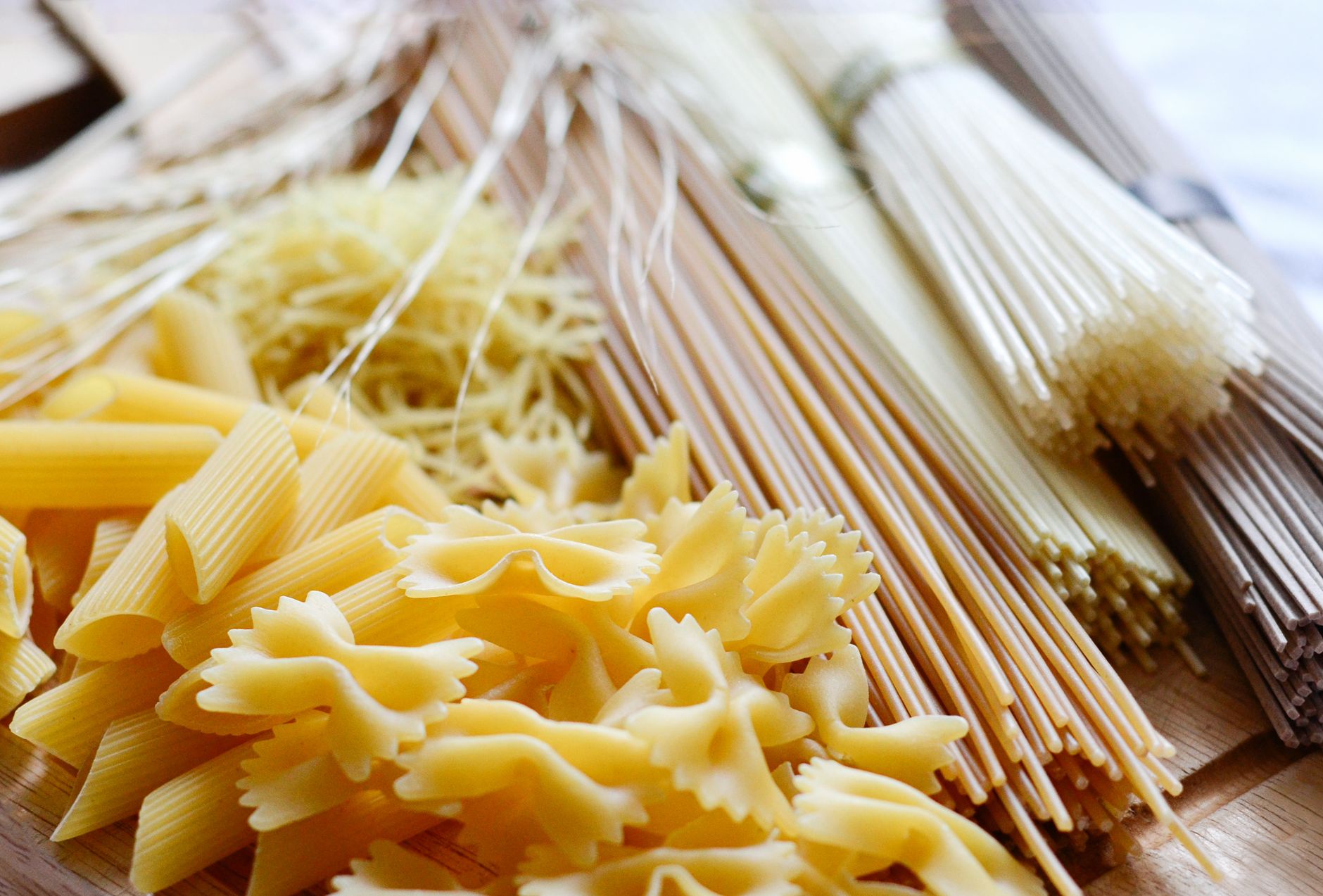
Carbohydrates are essential nutrients that provide energy to our bodies. They are found in various foods, including grains, fruits, vegetables, and legumes. Understanding the different types of carbohydrates and their nutritional value can help you make informed dietary choices that suit your lifestyle.
This article explores some common sources of carbohydrates, their nutritional content, how they function in our diets, and practical tips for including them in meals. Whether you’re meal planning, counting carbs, or simply looking to enjoy a balanced diet, this guide will help.
What Are Some Carbohydrates?
Some carbohydrates include sugars, starches, and fiber, commonly found in foods like bread, pasta, fruits, and vegetables. They are categorized as simple or complex carbohydrates, based on their chemical structure and how quickly they are broken down and absorbed by the body.
Understanding Carbohydrate Types
Carbohydrates are primarily divided into two categories: simple carbohydrates and complex carbohydrates.
Simple Carbohydrates
Simple carbohydrates consist of one or two sugar molecules. They are quickly absorbed by the body and provide a rapid source of energy. These can be found naturally in foods or added to processed items. Common sources include:
- Fruits: Apples, bananas, berries, and oranges are high in natural sugars.
- Dairy: Milk and yogurt contain lactose, a naturally occurring sugar.
- Sweets: Candy, soda, and baked goods often have added sugars.
- Honey: A natural sweetener containing glucose and fructose.
Complex Carbohydrates
Complex carbohydrates contain three or more sugar molecules. They take longer to digest, providing a more sustained release of energy. They are typically rich in fiber and can be found in:
- Whole Grains: Foods like brown rice, quinoa, whole wheat pasta, and oats.
- Legumes: Beans, lentils, and peas are excellent sources.
- Starchy Vegetables: Potatoes, sweet potatoes, and corn.
- Vegetables: Carrots, broccoli, and spinach, which also provide fiber.
Nutrition and Health Benefits of Carbohydrates
Carbohydrates are often misunderstood, but they play a crucial role in general health. Their primary function is to provide energy. Here are some key benefits:
- Energy Source: Carbohydrates are the body’s preferred energy source, especially for athletes and active individuals.
- Brain Function: The brain relies on glucose, a simple sugar derived from carbohydrates, for optimal function.
- Fiber: Many carbohydrate-rich foods provide dietary fiber, which supports digestion and helps regulate blood sugar levels.
- Vitamins and Minerals: Most carbohydrate sources, particularly fruits and vegetables, are rich in essential nutrients and antioxidants.
Recommended Portions and Daily Intake
The recommended daily intake of carbohydrates varies based on individual health goals, activity levels, and dietary preferences. Generally, carbohydrates should make up about 45-65% of your total daily calorie intake. Here are some portion size recommendations:
Grains
- Cooked Rice or Quinoa: 1 cup
- Whole Wheat Bread: 1 slice
- Pasta: 1 cup cooked
Fruits
- Whole Fruits: 1 medium apple, banana, or orange
- Berries: 1 cup
Vegetables
- Leafy Greens: 2 cups raw salad greens
- Cooked Vegetables: 1 cup
Legumes
- Cooked Beans or Lentils: 1 cup
How to Choose Healthy Carbohydrates
When selecting carbohydrates for your meals, focus on quality. Here are some tips to ensure you’re choosing healthier options:
- Opt for whole grains over refined grains, as they contain more fiber and nutrients.
- Choose fresh, whole fruits instead of fruit juices or sugary snacks.
- Incorporate a variety of vegetables to maximize nutrient intake.
- Consider legumes as a protein-rich carbohydrate option.
- Limit processed sugars and snack foods high in added sugars and unhealthy fats.
Practical Tips for Incorporating Carbohydrates
Integrating healthy carbohydrates into your daily meals can be simple and delicious. Below are some practical ideas and meal suggestions:
Breakfast Ideas
- Oatmeal topped with fresh berries and a drizzle of honey.
- Whole grain toast with almond butter and banana slices.
- Greek yogurt with sliced peaches and chia seeds.
Lunch and Dinner Suggestions
- Quinoa salad mixed with diced vegetables and chickpeas.
- Whole wheat pasta tossed with spinach, cherry tomatoes, and olive oil.
- A stir-fry with brown rice, mixed vegetables, and your choice of protein.
Snack Options
- Apple slices with peanut butter.
- Carrot sticks with hummus.
- Air-popped popcorn seasoned with your favorite spices.
Common Mistakes When Choosing Carbohydrates
As one navigates carbohydrate-rich foods, it’s easy to make mistakes. Here are some common pitfalls to avoid:
- Relying on processed foods: These often contain added sugars and unhealthy fats that can lead to weight gain and other health issues.
- Ignoring portion sizes: Even healthy carbohydrates can contribute to weight gain if consumed in excess.
- Accepting all carbohydrates as equal: Not all carbs have the same nutritional value; prioritize whole, unprocessed options.
Storing Carbohydrate-Rich Foods
Storing carbohydrates properly extends their shelf life and maintains their quality. Here are some storage tips:
Grains
- Store in a cool, dry place in airtight containers to prevent spoilage.
- Whole grains can last six months to a year; check packaging for specific dates.
Fruits and Vegetables
- Keep most fruits at room temperature and refrigerate as needed once ripe.
- Vegetables should be stored in the refrigerator, ideally in a crisper drawer.
Legumes and Pulses
- Dry beans and lentils can be stored in a sealed container in a cool, dry place for a year or more.
- Canned legumes should be kept in a cool pantry but can last indefinitely as long as the can remains sealed.
Carbohydrates and Special Diets
For those following specific dietary patterns, such as low-carb, ketogenic, or gluten-free diets, it’s essential to know which carbohydrates to include and which to limit:
Low-Carb and Ketogenic Diets
These diets significantly reduce carbohydrate intake. When following such diets, focus on non-starchy vegetables, nuts, seeds, and some berries while avoiding grains and sugars.
Gluten-Free Diets
Individuals following a gluten-free diet should choose gluten-free grains such as quinoa, rice, and corn. Always check labels to confirm that packaged foods meet gluten-free standards.
Final Thoughts on Carbohydrates
Carbohydrates are a necessary component of a balanced diet when chosen wisely. Focus on incorporating whole grains, fruits, vegetables, and legumes into your meals to enhance your energy levels and overall health. Whether through meal planning or experimenting with new recipes, embracing carbohydrates can lead to delicious and nutritious eating experiences.
If you’re curious about specific foods and their carbohydrate content, check out additional resources, such as how many carbs are in eggs or whether broccoli has carbs. Explore these related topics to expand your understanding of nutritious eating.