
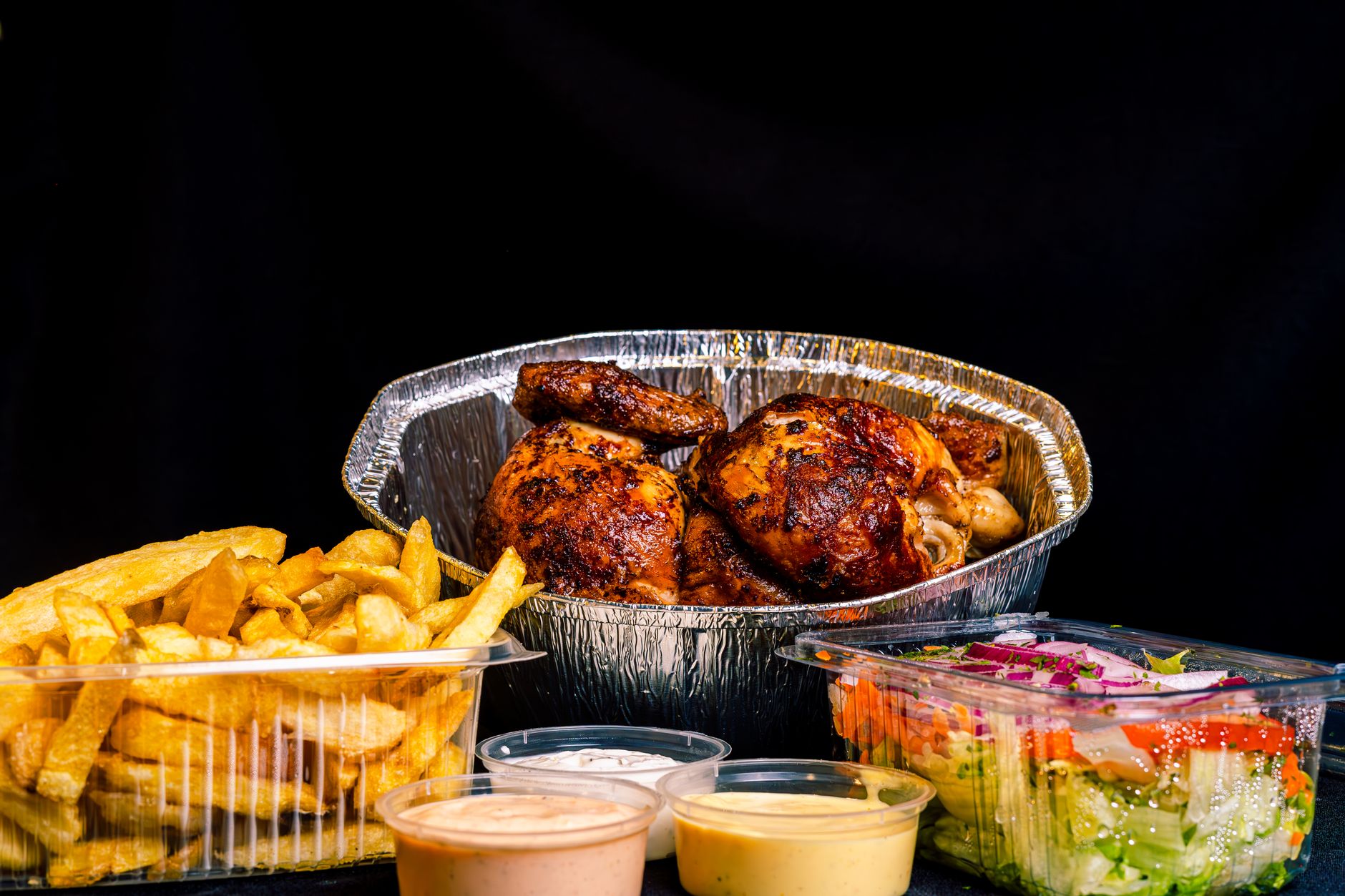
Rotisserie chicken has become a staple for many households, offering a convenient and affordable meal option. But have you ever wondered why it is priced so attractively? This article will delve into the factors contributing to the low price of rotisserie chicken, its culinary uses, and ways to make the most of this versatile ingredient.
From grocery store operations to consumer demand, various elements play a role in pricing. Understanding these factors can help you appreciate the value of rotisserie chicken and inspire your cooking endeavors.
Why Is Rotisserie Chicken So Cheap?
Rotisserie chicken is cheap primarily due to the efficient production processes used by grocery stores. Large-scale operations, economies of scale, and high consumer demand allow retailers to sell rotisserie chicken at a lower price than other chicken preparations. Additionally, rotisserie chicken is often priced competitively to attract shoppers, turning it into a popular go-to meal solution.
The Production Process: Efficiency at Its Best
One of the main reasons for the low price of rotisserie chicken lies in the production process. Grocery chains often have significant resources dedicated to creating rotisserie chicken efficiently. This includes:
- Centralized Production Facilities: Many major grocery retailers have their own facilities where they prepare rotisserie chickens in bulk. This allows for streamlined processes, skillful labor management, and reduced costs.
- Volume Buying: Retailers typically purchase chickens in large quantities for roasting, allowing them to negotiate better prices with suppliers. This bulk buying helps lower the cost involved in sourcing the meat.
- Fast Cooking Methods: Rotisserie cooking requires less time compared to baking or frying, maximizing the number of chickens that can be cooked simultaneously. This high turnover rate means faster sales and reduced waste.
The Role of Economies of Scale
Economies of scale significantly impact pricing. When production rises, the cost per unit typically decreases. This means that the more rotisserie chickens a grocery store sells, the lower the cost on each individual bird. Several elements contribute to these economies:
- Labor Savings: Automated systems and specialized staff can prepare chickens quickly and efficiently. For example, special machines are designed to rotate the chickens evenly, ensuring thorough cooking without excessive manpower.
- Reduced Waste: With better planning and centralized cooking, grocery stores can effectively minimize food waste. This not only helps the environment but also keeps prices down.
- Brand Loyalty: Sales of rotisserie chickens can drive customers into the store for other purchases, yielding additional revenue streams that can help offset the cost of the chickens.
The Role of Consumer Demand
Consumer demand drives down prices as retailers vie for customers’ attention. Rotisserie chickens cater to the need for convenience and quick meal solutions. Here’s how:
- One-Stop Shopping: A rotisserie chicken is an easy solution for busy families. Shoppers are drawn to stores that offer ready-to-eat meals, making it a strategic selling point for grocery retailers.
- Sales Promotions: Many stores frequently offer rotisserie chickens at discounted prices or as part of promotions to lure customers. Such tactics make the chickens even more affordable.
- Popularity: The growing trend toward meal convenience means that rotisserie chicken is regularly featured in weekly meal planning, increasing buying frequency and maintaining consistent turnover rates for the product.
Culinary Uses for Rotisserie Chicken
While rotisserie chicken is an economical option on its own, it also lends itself well to a myriad of recipes and meal-planning strategies. Here are some creative ways you can incorporate rotisserie chicken into your meals:
Simple Rotisserie Chicken Recipes
Here are a few ideas for transforming a rotisserie chicken into delicious meals:
Chicken Salad
A quick and easy option is a chicken salad. You can mix shredded rotisserie chicken with mayonnaise, diced celery, grapes, and nuts for added texture.
Tacos
Shred the chicken and serve it in tortillas with your favorite toppings like lettuce, cheese, tomatoes, and salsa for a filling taco night.
Soup
Use rotisserie chicken to elevate chicken soup. Just add the shredded chicken to a stock pot with vegetables, broth, and your choice of seasonings. This can create a hearty meal in no time!
Stir Fry
Combine pieces of rotisserie chicken with vegetables and stir-fry them in soy sauce for a quick, satisfying dish.
Making the Most of Rotisserie Chicken: Tips and Tricks
Here are some additional tips for maximizing the benefits of your rotisserie chicken purchase:
- Storage: Follow proper storage guidelines for leftover chicken. Allow it to cool and transfer it to an airtight container. Store in the refrigerator for up to four days or freeze for longer-lasting preservation.
- Cooking Ahead: Consider repurposing leftovers to create an entirely new dish. Use the scraps for stock, or turn them into chicken salad for enjoyable lunch options throughout the week.
- Flavor Boosters: Enhance the flavor profile with spices, marinades, or sauces. Mixing in herbs, citrus, or robust sauces can provide diversity in your meals.
Using Rotisserie Chicken for Meal Planning
Incorporating rotisserie chicken into meal planning can simplify your cooking process while optimizing your grocery budget. Here’s how you can do it effectively:
Weekly Meal Plan Ideas
Consider the following weekly plan featuring rotisserie chicken:
- Monday: Chicken Tacos with corn salsa
- Tuesday: Chicken Caesar Salad
- Wednesday: Rotisserie Chicken Soup
- Thursday: Chicken Stir Fry over rice
- Friday: BBQ Chicken Pizza
- Saturday: Chicken Quesadillas
- Sunday: Leftover buffet with salads and dips
Bulk Cooking for Convenience
Using rotisserie chicken can save you time in the kitchen. Consider buying multiple chickens at once to prepare various meals throughout the week. Rotate between different recipes and serving styles to keep things interesting.
Common Mistakes to Avoid
While rotisserie chicken is easy to prepare, there are guidelines to enhance your experience:
- Ignoring the Bones: Don’t disregard the bones! They can be the foundation of a homemade chicken stock, which is both cost-effective and flavorful.
- Overseasoning: Rotisserie chickens are heavily seasoned. Be mindful of additional spices and flavors to avoid overwhelming the natural taste of the chicken.
- Neglecting Proper Storage: Always cool and store leftover chicken appropriately to prevent spoilage and waste.
Reheating Rotisserie Chicken: Safety and Techniques
Proper reheating is crucial for enjoying your rotisserie chicken safely. Here’s how to reheat it effectively:
- Oven Method: Preheat your oven to 350°F (175°C). Place the chicken in an oven-safe dish, cover it with foil to retain moisture, and heat for about 20-30 minutes, or until warmed through.
- Microwave Method: Place pieces of chicken in a microwave-safe dish, cover with a damp paper towel, and reheat in intervals of 1-2 minutes. Check to ensure it heats evenly.
- Skillet Method: Heat a non-stick skillet over medium-low heat. Add a splash of broth or water to the pan, cover, and reheat for about 5-10 minutes.
Conclusion
Understanding the economics behind rotisserie chicken can help you appreciate its value and versatility. Purchasing rotisserie chicken allows you to enjoy quick meals and experiment with various recipes without excessive cooking or prep time.
Whether you’re meal planning for the week or looking for a quick dinner option, rotisserie chicken remains a cost-effective and delicious choice. Discover new ways to enjoy rotisserie chicken, and don’t forget to explore proper storage and reheating methods for a seamless cooking experience. You can check further on how long cooked chicken lasts or learn if you can freeze cooked chicken.