
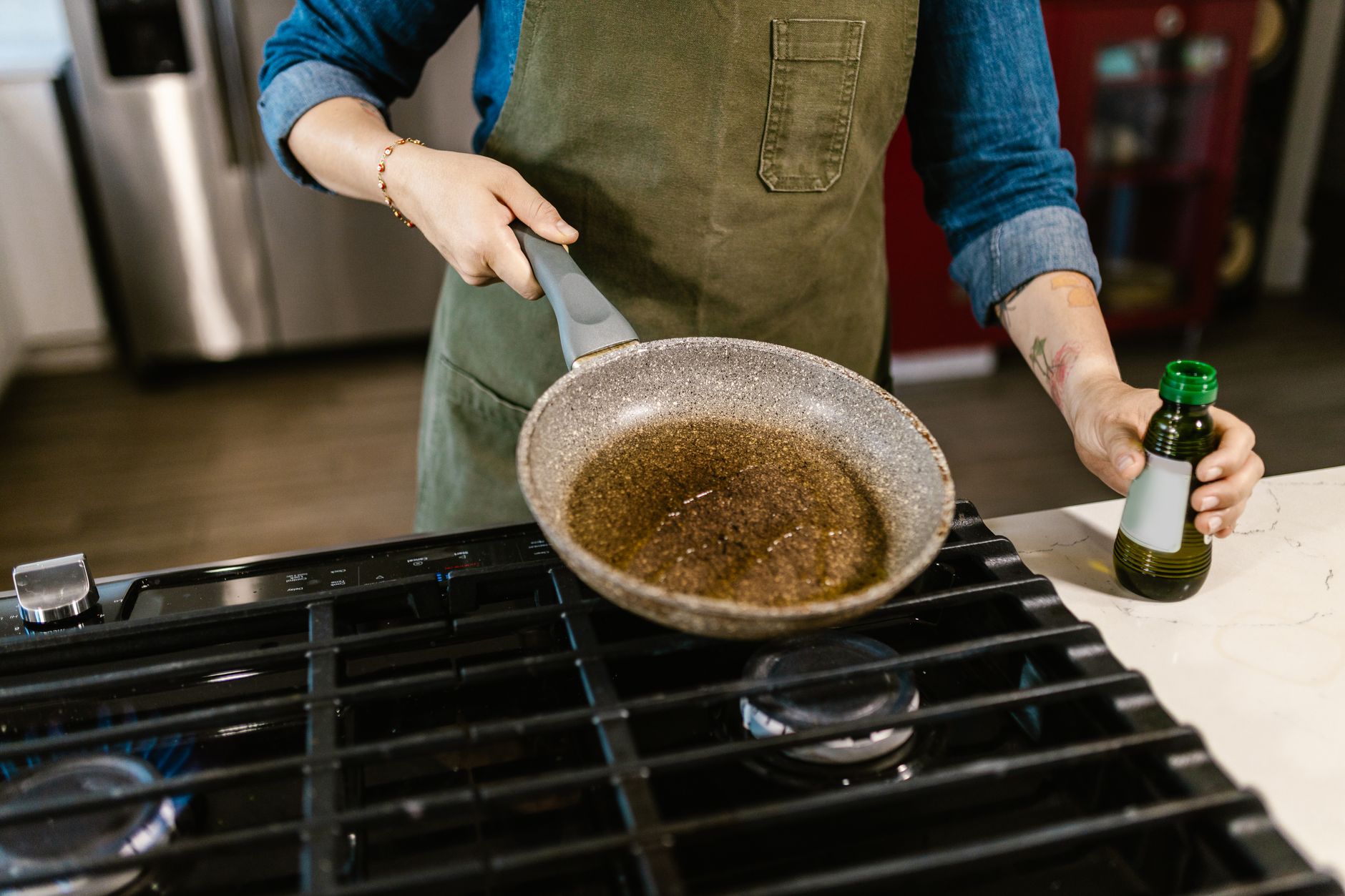
Frying is a popular cooking technique that can create deliciously crispy textures and rich flavors. However, many home cooks encounter unwelcome surprises during this process, such as foaming oil. Understanding the reasons behind this phenomenon can improve your frying technique and enhance your culinary results.
In this guide, we will explore why oil foams when frying, the factors that contribute to this issue, and how to address it. With this knowledge, you can fry with confidence and achieve perfectly cooked dishes every time.
Why Is My Oil Foaming When Frying?
Foaming oil during frying typically occurs due to the release of moisture or impurities in the oil. This foaming can be exacerbated by factors such as the type of food being fried, the temperature of the oil, and the quality of the oil itself. Properly understanding these elements can help troubleshoot and minimize foaming.
Understanding Oil Foaming: Key Factors
1. Water Content in Ingredients
One of the main causes of foaming oil is the water content in what you are frying. Foods with high moisture content, such as vegetables, can release water when they are added to hot oil. This moisture rapidly turns into steam, creating bubbles and increasing foaming in the oil.
- Examples of watery foods: zucchini, eggplant, and potatoes.
- Tips: Pat dry or blanch certain foods before frying to remove excess moisture.
2. Impurities in the Oil
Foaming can also be caused by impurities present in the oil. These may include food particles, moisture, or residues from previous frying sessions. When these impurities are heated, they can agitate the oil and lead to foaming.
- Tip: Strain or filter used oil before reusing it to remove unwanted particles.
3. Overcrowding the Frying Pan
Adding too many items to the frying pan at once can lead to a drop in oil temperature. This drop causes moisture from the food to be released and promotes foaming. Maintain a sufficient distance between food items to allow them to fry evenly.
- Tip: Fry in small batches for better oil temperature control and to reduce foaming.
4. Oil Temperature
The temperature of the oil can significantly affect foaming. Frying at too low a temperature can cause excess moisture to be released, while excessively high temperatures can lead to rapid vaporization and foam formation. The ideal frying temperature typically ranges from 350°F to 375°F (175°C to 190°C).
5. Type of Oil Used
The type of oil used can also influence foaming. Some oils have a lower smoke point than others, and those lower smoke point oils often create more foam. Additionally, oils with impurities or those that have been reused multiple times can foam more than fresh oils.
- Tip: Choose oils with high smoke points, such as canola, peanut, or avocado oil for frying.
Troubleshooting Foaming Oil
If you encounter foaming oil while frying, here are some troubleshooting techniques to effectively manage the situation:
1. Adjust Cooking Temperature
If you notice a significant amount of foam, lower the heat to help stabilize the oil. This can help minimize the rapid release of moisture from the ingredients, reducing foaming. Always ensure that you are at the proper frying temperature before adding food.
2. Skim Off Excess Foam
If foaming occurs, you can use a skimmer or slotted spoon to carefully remove the foam from the surface of the oil. This will prevent the foam from interfering with the frying process and ensure even cooking.
3. Monitor Batch Sizes
Keep an eye on how many items you are frying at once. If you find that your oil is foaming excessively, try frying smaller batches to help manage the temperature and moisture release.
4. Use Fresh Oil
Using fresh oil can greatly reduce foaming. If you frequently fry foods, consider using oil specifically designated for frying and change it regularly to prevent impurities from building up.
Cooking Techniques to Minimize Foaming
Adopting certain cooking techniques can also help control oil foaming when frying. Here are some methods to consider:
1. Preheat Oil Properly
Always preheat your oil to the correct frying temperature before adding food. This can help create a crisp outer layer on the food, sealing in moisture and reducing overall foam.
2. Use a Deep Fryer
Investing in a deep fryer can help regulate and maintain oil temperature more effectively than stovetop frying. Many deep fryers have built-in temperature controls that can prevent oil from overheating or becoming too cool, which helps minimize foaming.
3. Temperature Management
Use a cooking thermometer to ensure your oil is at the right temperature. Avoid overcrowding and ensure you allow enough time for the oil to return to temperature between batches. This practice is crucial for reducing moisture release and foaming.
Safe Frying Practices
Frying can be safe and enjoyable when proper practices are followed. Here are key safety tips to keep in mind:
1. Avoid Water and Ice
Ensure that all vegetables or meat are thoroughly dried before frying, as introducing any water or ice to hot oil can cause dangerous splattering and foaming.
2. Use a Deep, Heavy Pot
Using a deep, heavy pot helps contain the oil and minimize the risk of splattering. A high-sided pan can also provide extra protection when frying with larger volumes of oil.
3. Keep a Fire Extinguisher Nearby
Frying can pose a fire risk if oil overheats. Always keep a class K fire extinguisher nearby when frying to ensure safety in case of an emergency.
4. Never Leave Frying Unattended
Remain in the kitchen while frying to observe the oil temperature and ensure it doesn’t overheat or catch fire. Safety should always be the top priority.
Recipes and Dishes Perfect for Frying
Understanding foaming oil is essential for those who love frying. Below are some popular frying recipes that can benefit from the insights gained from this guide:
- Fried Bread – A delicious accompaniment to soups and stews, preventing excess foaming starts with the right dough consistency.
- Fried Cornbread – This flavorful dish is a Southern staple; ensure you dry your cornmeal batter to avoid unnecessary foaming.
Storing and Reusing Frying Oil
Storing and reusing frying oil can be practical and cost-effective, but it should be done carefully to avoid foaming in future fry sessions.
1. Strain the Oil
After frying, allow the oil to cool completely, then strain it through a fine mesh strainer or cheesecloth to remove any food particles. This helps ensure better quality the next time you use the oil and reduces foaming caused by impurities.
2. Store in a Cool, Dark Place
Store your strained oil in a tightly sealed container away from light and heat. Proper storage can prolong the oil’s life, preventing degradation and ensuring a smoother frying experience.
3. Monitor Oil Quality
Use your senses to evaluate oil quality before reuse. If the oil smells rancid or has darkened significantly, it’s time to discard it. A fresh oil quality will help minimize foaming when frying.
Conclusion
Understanding and addressing the causes of foaming oil while frying can lead to better cooking results. By managing moisture levels, monitoring oil temperature, and ensuring proper oil quality, you can master frying techniques and enjoy delicious, crispy foods with ease.
By adopting careful frying practices and being mindful of ingredient moisture, oil temperature, and the frying environment, you can minimize foaming and achieve perfectly cooked dishes every time. Experiment with these tips to elevate your frying skills.
For more delicious recipes and tips, explore our Fried Bread and Fried Cornbread recipes to practice your frying methods!