
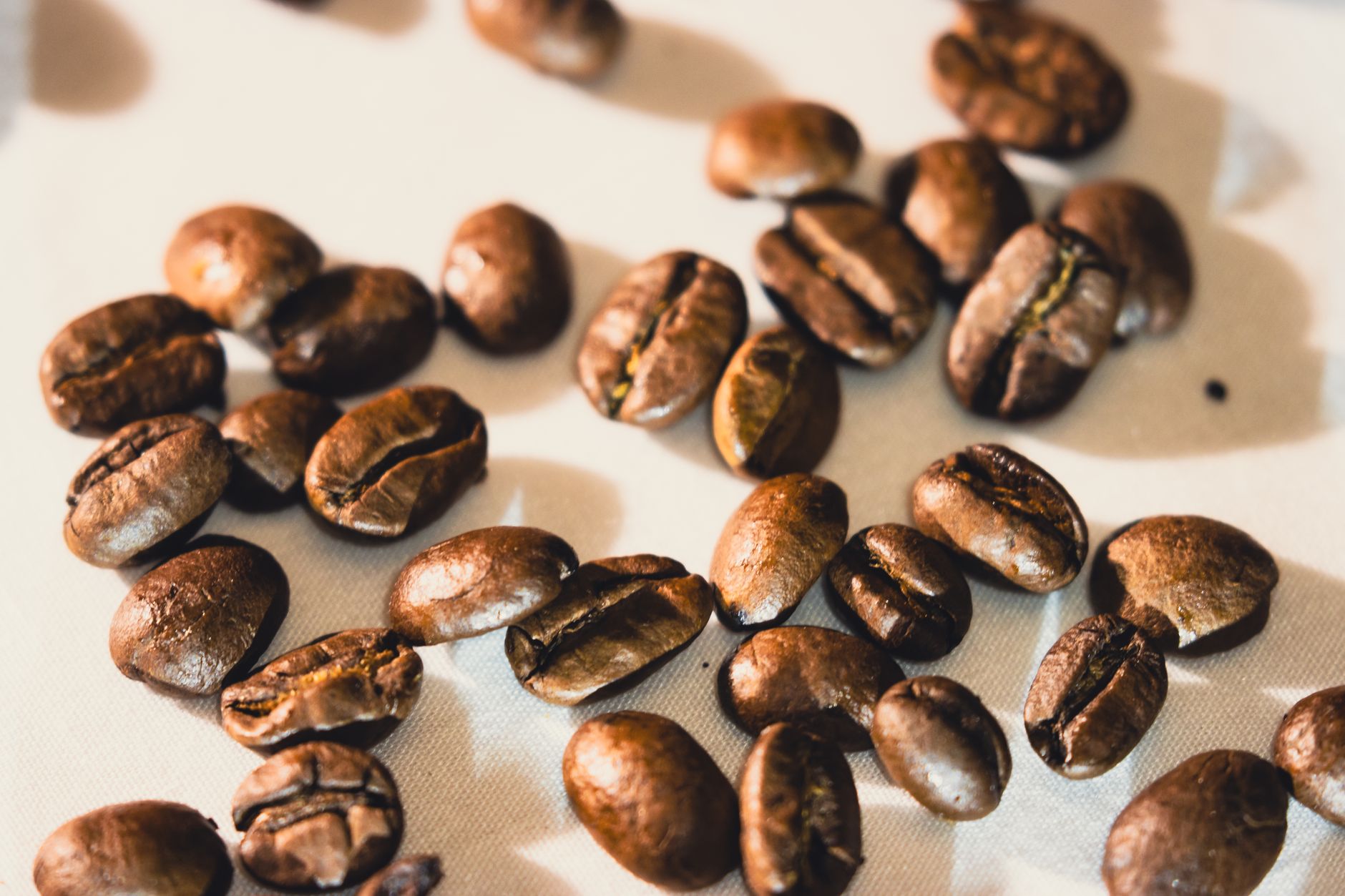
Coffee has long been a beloved beverage a staple in many people’s daily routines. However, in recent years, coffee prices have surged, leading many to wonder why this essential drink is becoming increasingly expensive. Understanding the factors that contribute to the rising cost of coffee can enrich your appreciation for each cup you enjoy.
This article delves into the multifaceted reasons behind coffee’s escalating prices, offering insights into everything from climate change to supply chain disruptions, as well as a few practical ways to adapt your coffee habits without sacrificing quality.
Why Is Coffee So Expensive Right Now?
The price of coffee has dramatically increased due to several interrelated factors, including climate conditions affecting coffee crops, logistical challenges exacerbated by the pandemic, and market demand surpassing supply. These elements combined create a perfect storm contributing to the increase in coffee prices.
Influence of Climate Change on Coffee Cultivation
One of the most significant factors affecting coffee prices is climate change. The delicate coffee plant thrives in specific conditions, typically at higher altitudes in tropical climates. Rising temperatures, irregular rainfall patterns, and increasing incidences of pests and diseases have direct impacts on coffee production.
Effects of Extreme Weather
- Temperature Fluctuations: Coffee beans require a temperature range between 60°F to 70°F. Any significant deviation can stunt growth or reduce the quality of the beans.
- Drought Conditions: Many coffee-producing regions, such as Brazil and Colombia, have faced severe droughts, drastically reducing yields.
- Excess Rainfall: Conversely, too much rain can lead to flooding and mold growth, both of which devastate coffee crops.
The result of these climatic challenges is a reduced supply of quality coffee beans, which directly influences wholesale and retail prices.
Supply Chain Disruptions
The global pandemic has brought about unprecedented changes to supply chains, affecting many industries, including coffee. The disruption started in early 2020 when transport restrictions and labor shortages hindered the movement of coffee from producers to consumers.
Logistical Challenges Along the Supply Chain
- Shipping Delays: Many coffee beans are transported over long distances, and shipping delays due to port congestion have become common.
- Increased Transportation Costs: With fewer shipping options available, the cost of transportation has surged, raising the overall price of coffee.
- Labor Shortages: Coffee farms faced challenges in hiring and retaining workers during the pandemic, which negatively affected production levels.
These supply chain disruptions result in fewer beans being available, thereby pushing prices higher in the consumer market.
Market Demand vs. Supply
As more people around the world develop an affinity for coffee, the demand for high-quality beans continues to rise, while supply struggles to keep pace. Emerging markets and the rise of specialty coffee culture have led consumers to seek premium products.
Shifting Consumer Preferences
- Specialty Coffee Growth: There has been a significant increase in demand for specialty coffee. Consumers are willing to pay more for quality and unique flavors.
- Increased Coffee Consumption: With coffee becoming a global phenomenon, more countries are introducing coffee into their routines, further heightening demand.
When demand outstrips supply, basic economics dictates that prices will rise. This is particularly evident in the premium coffee segment, where consumers expect and are willing to pay for unique and high-quality coffee experiences.
Impact of Coffee Trading and Economics
The coffee market operates within a global trading system that can fluctuate based on a variety of economic factors, including currency rates, political stability in coffee-producing areas, and market speculation.
Understanding Coffee Prices
- Global Coffee Prices: Coffee prices can be significantly affected by speculative trading in commodity markets.
- Currency Exchange Rates: Since coffee is typically traded in U.S. dollars, currency fluctuations can affect producers’ profits in their local currencies, impacting their ability to invest in quality production.
These economic frameworks can contribute further to the rising prices seen at your local coffee shop.
Ethical and Sustainable Sourcing Practices
An emerging factor influencing coffee prices is the ethical sourcing of coffee beans. Fair trade and organic certifications often come with higher costs to producers, which can translate into higher consumer prices.
Sustainable Coffee Farming
- Environmental Impact: Sustainable farming practices are crucial for maintaining the health of coffee plants but can involve higher operational costs.
- Fair Trade Practices: Fair trade coffee aims to ensure that farmers receive a living wage, contributing to higher prices in retail.
Consumers who support ethical practices may find themselves paying more, but they also help contribute to a more sustainable coffee industry.
Practical Tips for Enjoying Coffee on a Budget
Buying in Bulk
Purchasing coffee beans in bulk can significantly reduce costs. Many local roasters and online retailers offer bulk pricing, which can save you money in the long run.
Exploring Local Coffee Shops
Instead of always frequenting large chains, explore local coffee shops that source their beans locally. They may have lower prices on quality coffee while supporting local farmers.
Experimenting with Brewing Methods
Your brewing method can also impact your coffee experience and costs. Here are a few alternative brewing techniques that could help:
- French Press: A simple and cost-effective way to brew coffee that brings out rich flavors without any need for specialty equipment.
- Pour-Over: A manual brewing method that allows for precise control over flavor extraction, often at a lower cost than espresso machines.
Consider Instant Coffee Alternatives
While traditional coffee may be your go-to, instant coffee has come a long way in terms of flavor and quality. It can be a budget-friendly and convenient option when you’re in a pinch.
Frequently Asked Questions About Coffee Prices
Why is my favorite coffee brand more expensive now?
Your favorite coffee brand may have increased in price due to rising costs in production, shipping, and sourcing, all of which can be influenced by varying factors including the climate, pandemic impacts, and market demand.
Are there cheaper alternatives to high-quality coffee?
Yes, many specialty brands offer a range of price points. Additionally, buying directly from local roasters or smaller brands might yield attractive pricing for high-quality coffee.
Conclusion
The rising cost of coffee is a complex issue rooted in various environmental, economic, and social factors. By understanding these elements, consumers can dive deeper into their coffee choices and possibly discover new, budget-friendly habits without compromising on taste.
For further exploration into coffee’s delicious versatility, consider checking out innovative recipes like a protein coffee or a delightful caramel ribbon crunch frappuccino to jazz up your morning routine.