
Madagascar, known for its rich biodiversity and unique culture, boasts a culinary landscape that reflects the diverse influences of its history, geography, and traditions. The food of Madagascar is characterized by its use of local ingredients, vibrant flavors, and traditional cooking techniques, making it a fascinating exploration for any food enthusiast. In this article, we will delve into the defining features of Malagasy cuisine, its key ingredients, popular dishes, and how you can incorporate these flavors into your cooking.
Whether you’re looking to explore new flavors or seeking inspiration for a themed dinner party, understanding why food from Madagascar deserves a place in your culinary repertoire will enhance your appreciation of global cuisine.
Why Food Madagascar?
Food from Madagascar is unique due to its combination of indigenous ingredients and influences from French, African, and Indian cuisines. The dishes often highlight local staples such as rice, seafood, meat, and a variety of vegetables and spices that create a distinctive flavor profile. This cuisine not only satisfies the palate but also tells the story of Madagascar’s rich cultural heritage.
Key Ingredients in Malagasy Cuisine
Understanding the essential ingredients of Malagasy cuisine is crucial to replicating its flavors in your kitchen. Here are some staples that play a significant role in the cuisine:
- Rice: Rice is the cornerstone of most Malagasy meals, often served as the main carbohydrate. It is usually accompanied by various side dishes, known as laoka.
- Seafood: Given Madagascar’s coastal geography, seafood is abundant and includes fish, shrimp, squid, and more. Ingredients like fresh fish are often grilled or cooked in flavorful sauces.
- Meat: Pork, chicken, and zebu (a type of cattle) are common in Malagasy cooking. Meat dishes frequently incorporate spices and are slow-cooked to develop rich flavors.
- Vegetables: A variety of fresh vegetables, including tomatoes, onions, garlic, and native greens, are used to enhance dishes. They add both flavor and nutritional value.
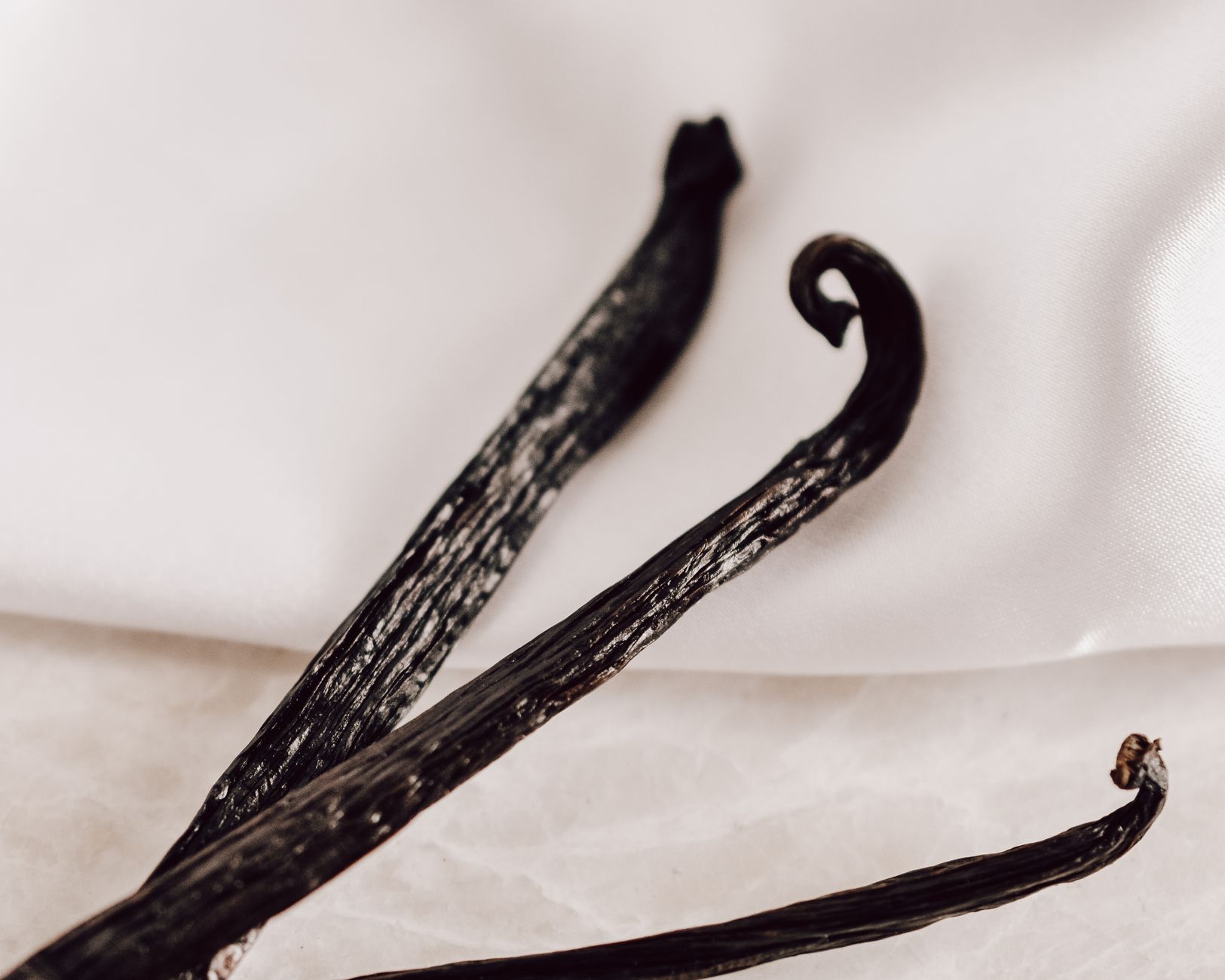
- Spices: Madagascar is famous for its spices, particularly vanilla, which is used in both sweet and savory dishes. Other spices like ginger and cinnamon also feature prominently.
- Fruits: Tropical fruits like bananas, pineapple, and lychee are commonly enjoyed, both fresh and in desserts.
- Sambava: A popular condiment made from hot peppers, garlic, and other spices that add heat and flavor to dishes.
Popular Dishes from Madagascar
Now that we’ve explored the key ingredients in Malagasy cuisine, let’s take a look at some iconic dishes that you may want to try making at home.
1. Rice with Laoka
This is the quintessential Malagasy meal, where rice is served with various side dishes called laoka. They can include meat, fish, vegetables, or even legumes. Here’s a simple recipe to prepare rice and one kind of laoka.
Ingredients
- 2 cups of white rice
- 4 cups of water
- Salt, to taste
- 1 pound of chicken (cut into pieces)
- 2 tablespoons of vegetable oil
- 2 onions (chopped)
- 2 garlic cloves (minced)
- 2 tomatoes (chopped)
- 1 teaspoon of ginger (grated)
- Salt and black pepper, to taste
Equipment
- Medium-sized pot for cooking rice
- Large frying pan or skillet
- Cooking spoon
- Knife and cutting board
Method
- Rinse the rice under cold water until the water runs clear. This removes excess starch.
- In a medium pot, add the rice and water, and bring it to a boil. Season with salt, then reduce the heat, cover, and simmer for about 18-20 minutes or until the water is absorbed.
- In the meantime, heat the vegetable oil in a large skillet over medium heat. Add the chopped onions and cook until they are translucent.
- Add the minced garlic and grated ginger, and cook for an additional 1-2 minutes, stirring frequently.
- Add the chicken pieces to the skillet and brown them on all sides.
- Stir in the chopped tomatoes, season with salt and black pepper, and cover the skillet. Cook for about 25-30 minutes, stirring occasionally until the chicken is cooked through and tender.
- Serve the rice hot with the chicken laoka on the side.
2. Romazava
Romazava is a traditional Malagasy stew featuring greens and meat, making it a nutritious and flavorful meal.
Ingredients
- 1 pound of beef or chicken (cut into pieces)
- 2 onions (sliced)
- 3 cloves of garlic (minced)
- 1 bunch of collard greens or any leafy greens (washed and chopped)
- 2 tomatoes (chopped)
- 1 tablespoon of vegetable oil
- Salt and pepper, to taste
- 2 cups of water or beef/chicken broth
Method
- Heat vegetable oil in a large pot over medium heat. Sauté the onions and garlic until fragrant.
- Add the meat to the pot and cook until browned on all sides.
- Add chopped tomatoes and water or broth. Season with salt and pepper. Cover and simmer for about 30-40 minutes until the meat is tender.
- Stir in the chopped greens and cook for an additional 10-15 minutes until they are wilted and tender.
- Serve hot with rice.
3. Ravitoto
Ravitoto is a dish made from crushed cassava leaves, typically served with pork. It is a comforting and rich meal that represents the essence of Malagasy comfort food.
Ingredients
- 1 pound of pork (preferably with some fat, cut into pieces)
- 2 cups cassava leaves (fresh or frozen)
- 1 onion (chopped)
- 3 cloves of garlic (minced)
- 1 teaspoon ginger (grated)
- Salt and pepper, to taste
- 1-2 cups of water
Method
- In a large pot, combine the pork, onions, garlic, ginger, salt, and pepper with enough water to cover the ingredients. Bring to a boil over medium heat.
- Once boiling, reduce the heat, cover, and simmer for about 30-40 minutes until the pork is tender.
- Stir in the cassava leaves, adding more water if needed. Cook for an additional 20-30 minutes until the leaves are soft and the flavors have melded together.
- Serve hot, ideally accompanied by rice.
Cooking Techniques in Malagasy Cuisine
Understanding the preparation methods common in Malagasy cooking can help you recreate authentic dishes. Here are some popular cooking techniques you will encounter:
1. Grilling
Grilling is a favored method, especially for seafood and meat. Many dishes incorporate marinades made from local spices, herbs, and oils. Consider using a charcoal grill for an authentic smoky flavor.
2. Stewing
Stewing is used to prepare hearty dishes like Romazava and Ravitoto. This method allows flavors to develop fully and makes tougher cuts of meat tender.
3. Steaming
Steaming vegetables and fish preserves nutrients and produces vibrant flavors. Dishes can be wrapped in banana leaves for added aroma.
4. Sautéing
Sautéing is common for quickly cooking vegetables and aromatics, generating a base for many dishes. Heat oil in a pan before adding ingredients to create depth of flavor.
Practical Tips for Incorporating Malagasy Flavors
If you’re excited to try your hand at Malagasy cooking, here are some practical tips to help you along the way:
- Start Simple: Begin with basic dishes like rice and one laoka before diving into more complex recipes.
- Experiment with Ingredients: Research local markets for fresh produce, spices, and meats that can enhance your dishes.
- Use Fresh Herbs: Fresh herbs not only add flavor but also brighten the visual appeal of your dishes.
- Be Patient: Many Malagasy dishes benefit from slow cooking, allowing rich flavors to develop fully.
- Mind the Spice Level: If you’re sensitive to spice, start with smaller amounts and adjust as necessary, especially with sambava.
Cultural Significance of Food in Madagascar
Food in Madagascar extends beyond mere sustenance; it plays a critical role in the culture and community. Meals are often communal, emphasizing togetherness and shared experiences. Traditional ceremonies and celebrations incorporate specific dishes that hold historical or cultural significance, further enhancing their importance in daily life.
For many Malagasy people, sharing food is an expression of hospitality and care, highlighting the values of community and family. Understanding this cultural context can enrich your experience with the cuisine even further.
Storage and Reheating Guidelines
When cooking Malagasy dishes, it’s important to consider how to store and reheat leftovers properly.
Storage
Allow cooked food to cool to room temperature before transferring it into airtight containers. Most dishes can be stored in the refrigerator for up to 3-4 days. For longer storage, consider freezing portions, which can last for about 2-3 months.
Reheating
Reheat leftovers gently in a microwave or on the stovetop over low heat. If reheating stews or dishes with rice, you might want to add a splash of water or broth to prevent drying out.
Explore More of Malagasy Cuisine
If you’re intrigued by Malagasy flavors and want to explore more, experimenting with traditional spices and cooking methods can elevate your culinary skills. Consider trying unique dishes like koba (a sweet treat made from ground peanuts and rice flour) or mokary (sweet rice cakes).
Incorporating Madagascar’s rich culinary history into your cooking repertoire is not only an adventure for your taste buds but also a means to connect with a culture that profoundly values its food. Each dish can tell a story, giving you insight into the life and traditions of the Malagasy people.
To further enhance your cooking journey, explore related recipes, cooking tips, or food guides as you continue to discover the incredible world of global cuisine.