
Croatia, a picturesque country nestled along the Adriatic Sea, boasts a rich culinary heritage that reflects both its geographical diversity and historical influences. Its cuisine is a vibrant blend of Mediterranean and Central European flavors, shaped by centuries of trade, cultural exchange, and tradition.
The food of Croatia is more than just sustenance; it’s a celebration of local ingredients, regional specialties, and traditional cooking techniques. In this article, we’ll explore the fascinating aspects of Croatian cuisine, including its key ingredients, popular dishes, regional variations, and serving suggestions.
What Makes Food Croatia Special?
The food of Croatia stands out for its emphasis on fresh, seasonal produce and high-quality ingredients. The coastal regions are known for their seafood, while inland areas feature hearty meats and rich sauces. The diversity of the country contributes to a unique culinary landscape that varies significantly from one region to another.
Key Ingredients in Croatian Cuisine
Croatian cooking heavily relies on local and regional ingredients, making it vital to understand what these are to fully appreciate the dishes. Here’s a rundown of some key ingredients:
- Olive Oil: An essential ingredient in Croatian cooking, especially in the coastal regions. Known for its high quality, Croatian olive oil is used generously in salads, drizzled over grilled vegetables, or as a dipping sauce.
- Seafood: The Adriatic Sea provides a bounty of fish and shellfish, such as sardines, octopus, and mussels. Seafood is often grilled, boiled, or served in stews.
- Meat: In the hinterlands, beef, pork, and lamb are prevalent. Dishes such as roasted lamb and slow-cooked stews are common.
- Cheese: Croatia prides itself on its artisanal cheeses, with varieties such as Pag cheese from the island of Pag and sheep’s cheese from Lika.
- Herbs and Spices: Aromatic herbs such as lavender, rosemary, and sage add depth to dishes, while black pepper and paprika are commonly used spices.
- Fruits and Vegetables: Fresh, seasonal vegetables like tomatoes, onions, leeks, and peppers are staples. Fruits such as figs, grapes, and cherries are frequently used in desserts.
Signature Dishes to Try
Croatian cuisine features a wide array of delicious dishes. Here are some signature dishes you won’t want to miss:
Peka
Peka is a traditional dish that involves slow-cooking meat and vegetables under a metal dome covered with embers. The result is perfectly tender meat infused with the flavors of the vegetables and herbs.
Black Risotto (Crni Rižot)
This unique dish is made with cuttlefish or squid, which impart a distinctive black color to the risotto. Cooked with garlic, onions, and white wine, it’s often garnished with parsley.
Burek
Burek is a popular pastry filled with meat, cheese, or spinach wrapped in thin layers of dough. It’s often enjoyed as a snack or quick meal and is best served warm.
Sarma
Sarma consists of cabbage leaves stuffed with minced meat and rice, simmered in a tomato sauce. This hearty dish reflects the Central European influences on Croatian cuisine.
Grilled Fish
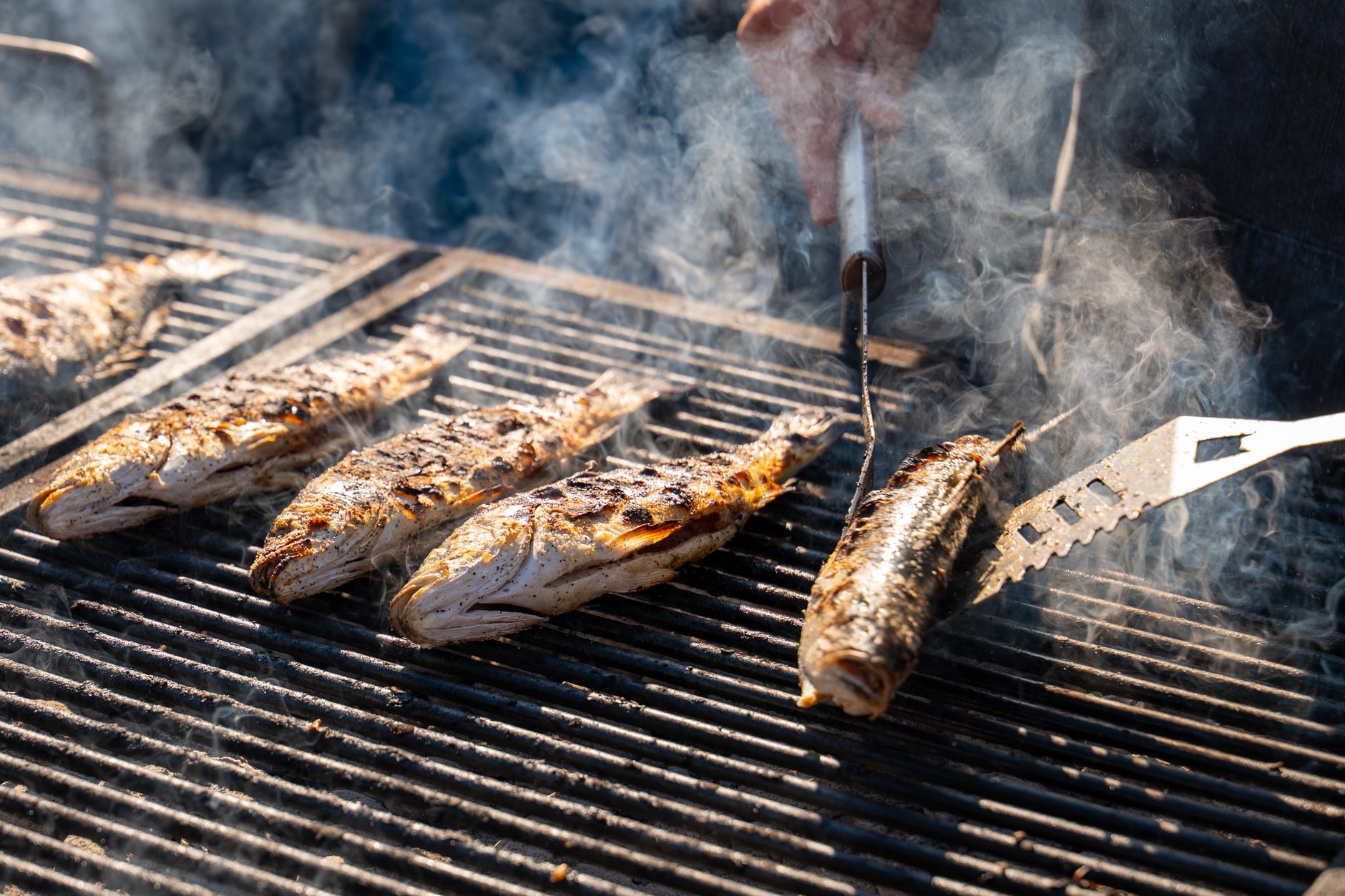
Freshly caught fish, such as sea bass or trout, is simply seasoned and grilled, often served with a drizzle of olive oil and a side of blitva (Swiss chard) and potatoes.
Regional Variations in Croatian Cuisine
Understanding the regional variations of Croatian cuisine can provide deeper insights into its diversity. Here’s a brief overview:
Dalmatia
The coastal region of Dalmatia is known for its seafood, olive oil, and fresh vegetables. Dishes highlight Mediterranean flavors, often featuring fresh herbs and simple preparations. Traditional meals include grilled fish, olive oil, and fresh salads.
Istria
Istria is renowned for its truffles, which are celebrated in various dishes. The region’s cuisine often includes pasta, risottos, and hearty meat dishes, all enhanced with the local truffle varieties.
Kvarner
This region blends influences from both the coast and the mountains. You’ll find seafood and hearty dishes that reflect its diverse culinary heritage. Kvarner is famous for its shellfish and seafood dishes.
Slavonia
Located in the eastern part of Croatia, Slavonia’s cuisine is characterized by hearty, meat-heavy dishes. Paprika is prominently used in many dishes, and you may find various sausages and stews that showcase local flavors.
Varazdin
In northern Croatia, Varazdin features a mix of Austrian and Hungarian flavors. Goulash, strudels, and various pastries are commonly enjoyed. The region is also known for its celebration of seasonal ingredients.
Cooking Techniques Essential to Croatian Cuisine
Many traditional Croatian dishes rely on specific cooking techniques that enhance flavor and texture. Below are some critical techniques to master:
Grilling
Grilling is one of the most popular cooking methods, especially for seafood and meats. The high heat of the grill imbues ingredients with smoky flavors and maintains their innate moisture.
Braising
Braising is used for tougher cuts of meat, slow-cooked in a flavorful liquid until tender. This technique helps to amalgamate flavors while breaking down the meat fibers.
Stewing
This method involves simmering ingredients slowly in a seasoned broth. Stews are excellent for making hearty dishes such as sarma or goulash, allowing flavors to meld beautifully.
Baking
Baking is popular for creating dishes such as burek and various pastries. Mastering the use of phyllo or dough can elevate the dish’s texture and taste.
Serving Suggestions and Pairings
When it comes to serving Croatian dishes, the following tips and pairings can enhance your dining experience:
- Wine Pairings: Croatia has a growing wine industry, with local varieties like Malvasia and Plavac Mali complementing many dishes. White wines pair well with seafood, while red wines suit heavier meat dishes.
- Accompaniments: Serve traditional dishes with fresh bread to soak up sauces or oil. A side of blitva (Swiss chard) is excellent with grilled fish.
- Garnishes: Fresh herbs add a bright note to many dishes. Parsley and lemon wedges enhance seafood plates, while dill complements meat dishes.
Storage and Leftovers Tips
Understanding how to properly store Croatian dishes allows for enjoying leftovers with ease. Here are some guidelines:
- General Storage: Most Croatian dishes can be stored in airtight containers in the refrigerator for up to three days. Reheat on low to preserve textures.
- Freezing: Many stews and sarma can be frozen for later consumption. Ensure they are cooled before sealing in airtight bags.
- Reheating: Reheat stews on the stove over low heat, adding a splash of broth or water if necessary to maintain moisture.
Exploring Croatian Desserts
Croatia offers a variety of delicious desserts reflecting the country’s rich culinary traditions. Here are a few popular sweets to try:
Palačinke
Similar to crepes, palačinke can be filled with various fillings, including jam, chocolate, or cottage cheese. They’re often served with toppings such as whipped cream or fruit.
Kroštule
Kroštule are light, crispy pastries made from a rolled dough and deep-fried. They’re frequently dusted with powdered sugar and served as a festive treat.
Fritule
Fritule are small, fried doughnut-like pastries flavored with raisins and sometimes lemon zest, often enjoyed during festive occasions. They’re best served warm and dusted with powdered sugar.
Torta Raffaello
This dessert is a coconut-flavored cake layered with cream and topped with toasted coconut. It’s a sweet treat that’s visually appealing and perfect for gatherings.
Next Steps: Making Croatian Food at Home
Bringing Croatian cuisine into your kitchen can be a rewarding experience. Start by sourcing local ingredients that reflect Croatian flavors, such as fresh fish or high-quality olive oil. Try your hand at a traditional dish like black risotto or make fresh palacinke for dessert. With a little practice, you can recreate the essence of Croatian cooking at home.
Explore the wide variety of ingredients and techniques discussed to deepen your experience, and feel free to experiment with regional variations. Croatian cuisine is about celebrating fresh flavors and sharing meals with family and friends.
For further inspiration, consider exploring items related to cooking methods and dish ideas from other regions or learning about emerging culinary trends. Discovering the world through food opens up new possibilities for every meal.