
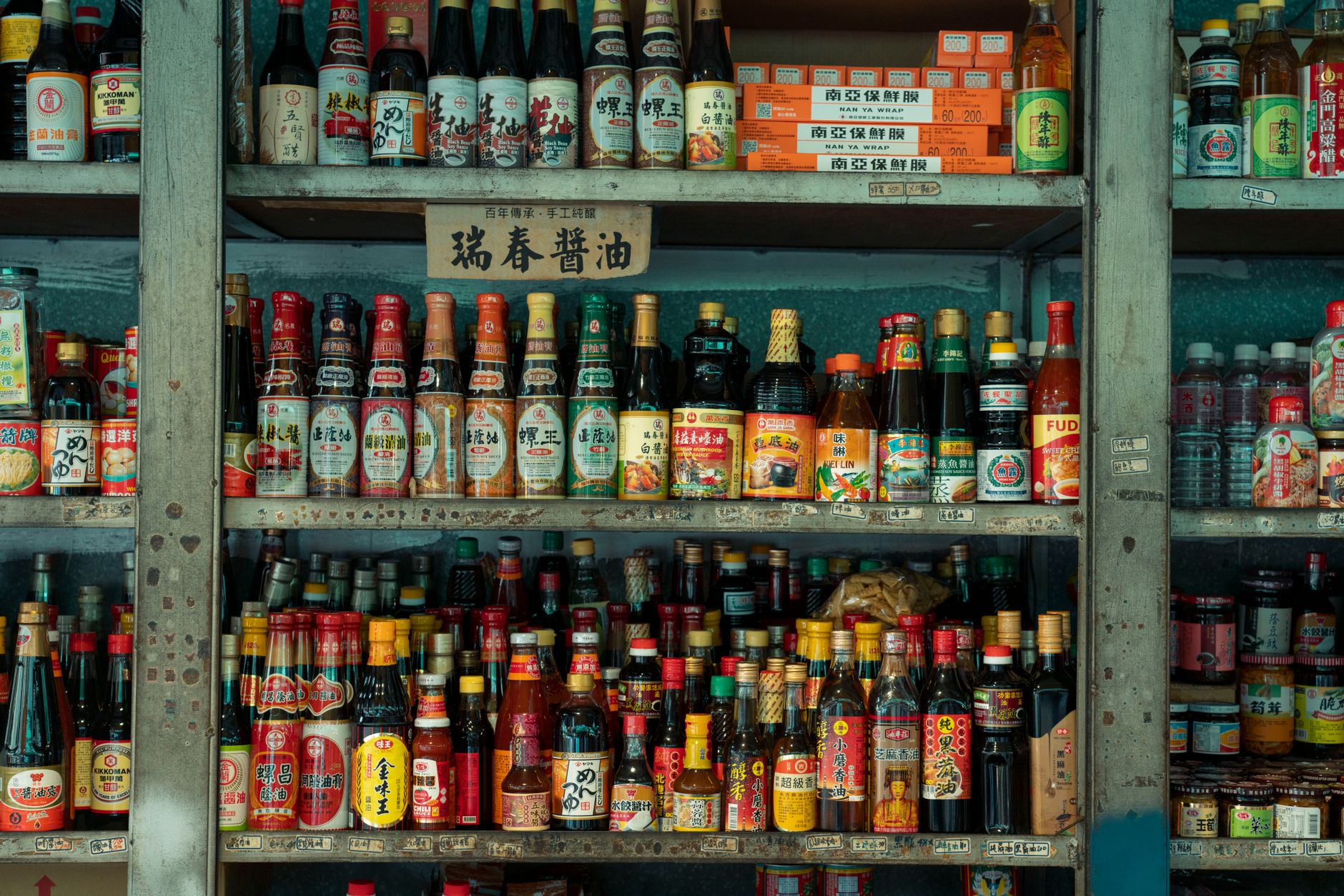
Soy sauce is a staple condiment used in many cuisines worldwide, particularly in Asian cooking. Its rich umami flavor enhances a variety of dishes, but for individuals with gluten sensitivities or celiac disease, the presence of gluten in traditional soy sauce poses a significant issue.
This article explores why soy sauce contains gluten, its ingredients, and what options are available for those who must avoid gluten. Understanding these elements will help individuals make informed decisions about their food choices.
Why Does Soy Sauce Have Gluten?
Soy sauce is traditionally made from fermented soybeans, wheat, salt, and a fermenting agent like a mold or bacteria. The wheat content is the primary source of gluten, which is a protein found in many grains.
During the fermentation process, the starches in the wheat break down into simpler sugars, contributing to the soy sauce’s distinctive taste. Because of this wheat content, traditional soy sauces typically contain gluten, rendering them unsuitable for those with gluten intolerances or celiac disease.
Understanding Soy Sauce Ingredients
To better comprehend why soy sauce has gluten, it’s essential to break down its ingredients and the role each plays in its production.
Primary Ingredients of Traditional Soy Sauce
- Soybeans: The base of the sauce, soybeans are rich in protein and give soy sauce its savory flavor.
- Wheat: Wheat is added to the fermentation mixture and provides the sauce’s sweetness and characteristic depth of flavor. This is the main source of gluten in soy sauce.
- Salt: Salt is integral for flavor and also acts as a preservative during fermentation.
- Fermenting Agents: Various molds, yeasts, and bacteria are used to initiate the fermentation process, breaking down the starches in the soybeans and wheat and converting them into sugars and acids that define the flavor.
What is Gluten?
Gluten is a group of proteins found in wheat and related grains, including barley and rye. It gives dough its elastic texture and helps bread rise and maintain its shape. While gluten is harmless for most people, it can cause severe health issues for those with gluten-related disorders, such as celiac disease.
The Fermentation Process
The fermentation process for making soy sauce is intricate and essential for developing its flavor profile. Here’s a closer look at how fermentation works in soy sauce production.
Steps Involved in Soy Sauce Fermentation
- Steaming the Soybeans: The soybeans are washed and then steamed to cook them and prepare them for fermentation.
- Mixing with Wheat: The cooked soybeans are mixed with roasted wheat. This blend is the basis for the starter culture.
- Inoculation: A specific mold is added to the mixture to initiate fermentation, allowing it to convert starches into sugars.
- Fermentation Phase: After inoculation, the mixture is left to ferment for several days. During this phase, beneficial bacteria and yeast further break down the sugars and develop flavor compounds.
- Pressing: Once fermentation is complete, the mixture is pressed to extract the liquid, which is then filtered.
- Pasteurization: The extracted liquid is heated to kill off any remaining bacteria, enhance flavor, and prolong shelf life.
Types of Soy Sauce and Gluten Content
Not all soy sauces are created equal, and understanding the variations available can help those with gluten issues make safer choices.
Traditional Soy Sauce
This is the most common type of soy sauce, made with a combination of soybeans, wheat, salt, and fermenting agents. It contains gluten and is popular in many cuisines as a seasoning and condiment.
Certified Gluten-Free Soy Sauce
Some brands produce soy sauces specifically labeled as gluten-free. These sauces utilize alternative ingredients, often replacing wheat with fermented soybeans or other gluten-free grains, allowing people with gluten sensitivities to enjoy similar flavors without health risks.
Tamari Sauce
Often regarded as a gluten-free alternative to soy sauce, tamari is traditionally made without wheat. It’s known for having a richer flavor and thicker consistency compared to soy sauce. However, not all tamari is gluten-free; always check the label to confirm.
How to Choose Gluten-Free Soy Sauce
Choosing a gluten-free soy sauce is straightforward if you know what to look for. Follow these guidelines to ensure you select an appropriate product.
Reading Labels
- Look for products specifically labeled as “gluten-free.” This ensures a lack of wheat or other gluten-containing grains.
- Check the ingredients list for any mention of wheat flour, barley, or rye.
- Familiarize yourself with brands known for their gluten-free options, such as certain tamari brands or specialty soy sauces produced without wheat.
Popular Gluten-Free Brands
While brands may vary by region, here are a few popular gluten-free soy sauce options:
- San-J Tamari
- Kikkoman Gluten-Free Soy Sauce
- Eden Foods Organic Tamari
Flavor and Usage of Soy Sauce
Soy sauce is celebrated for its umami flavor, which enhances the overall taste of dishes ranging from stir-fries to marinades. Understanding how to use soy sauce effectively can elevate your culinary creations.
How Soy Sauce Enhances Dishes
- Marinades: Soy sauce is frequently used as a base for marinades, adding depth to meats, tofu, and vegetables.
- Stir-Fries: Adding soy sauce during cooking infuses dishes with flavor and richness, balancing sweetness and savory elements.
- Dipping Sauce: Combine soy sauce with other ingredients like vinegar, garlic, or chili to create delicious dipping sauces for dumplings or spring rolls.
Common Mistakes When Using Soy Sauce
Using soy sauce can seem simple, but there are some common errors to avoid that can affect the taste and quality of your dishes.
1. Overuse of Soy Sauce
Due to its strong flavor, it’s easy to accidentally use too much soy sauce, making dishes overly salty. Start with a small amount and adjust to taste.
2. Incorrect Storage
Soy sauce should be stored in a cool, dark place to maintain its flavor. Once opened, refrigerate it to prolong freshness and quality.
3. Ignoring Label Reading
For those with gluten sensitivities, failing to read labels can lead to unintended gluten exposure. Always check for gluten-free options.
Cooking Substitutes for Soy Sauce
If you’re looking for alternatives to traditional soy sauce, several substitutes can provide similar flavors without gluten.
Common Soy Sauce Substitutes
- Coconut Aminos: A popular gluten-free alternative made from coconut sap that has a similar taste but is lower in sodium and slightly sweeter.
- Liquid Aminos: Soy-free liquid aminos made from fermented soybeans are gluten-free except for the soy-based varieties.
- Homemade Soy Sauce Substitute: Mix equal parts of balsamic vinegar and water with a pinch of garlic powder and salt for a quick alternative.
Health Considerations
Those with celiac disease or gluten sensitivities must take care with soy sauce due to its gluten content. It’s essential to be informed about potential health impacts and ensure dietary safety.
Understanding Gluten Sensitivity
- Celiac Disease: An autoimmune disorder where consuming gluten damages the small intestine. Even trace amounts can trigger symptoms.
- Non-Celiac Gluten Sensitivity: Some individuals experience symptoms similar to celiac disease without the autoimmune response, making it crucial to avoid gluten-containing foods like regular soy sauce.
Conclusion: Making Informed Choices
Understanding why soy sauce typically contains gluten is essential for those navigating gluten-free diets. Traditional soy sauce is made with wheat, which means it presents challenges for those with gluten sensitivities. However, gluten-free options and alternatives are readily available, allowing everyone to enjoy the rich flavors of soy sauce safely.
Be sure to read labels carefully and opt for certified gluten-free products when necessary. Enjoy your cooking adventures and explore related recipes and cooking tips, such as how soy sauce is made and whether basmati rice is gluten-free.