
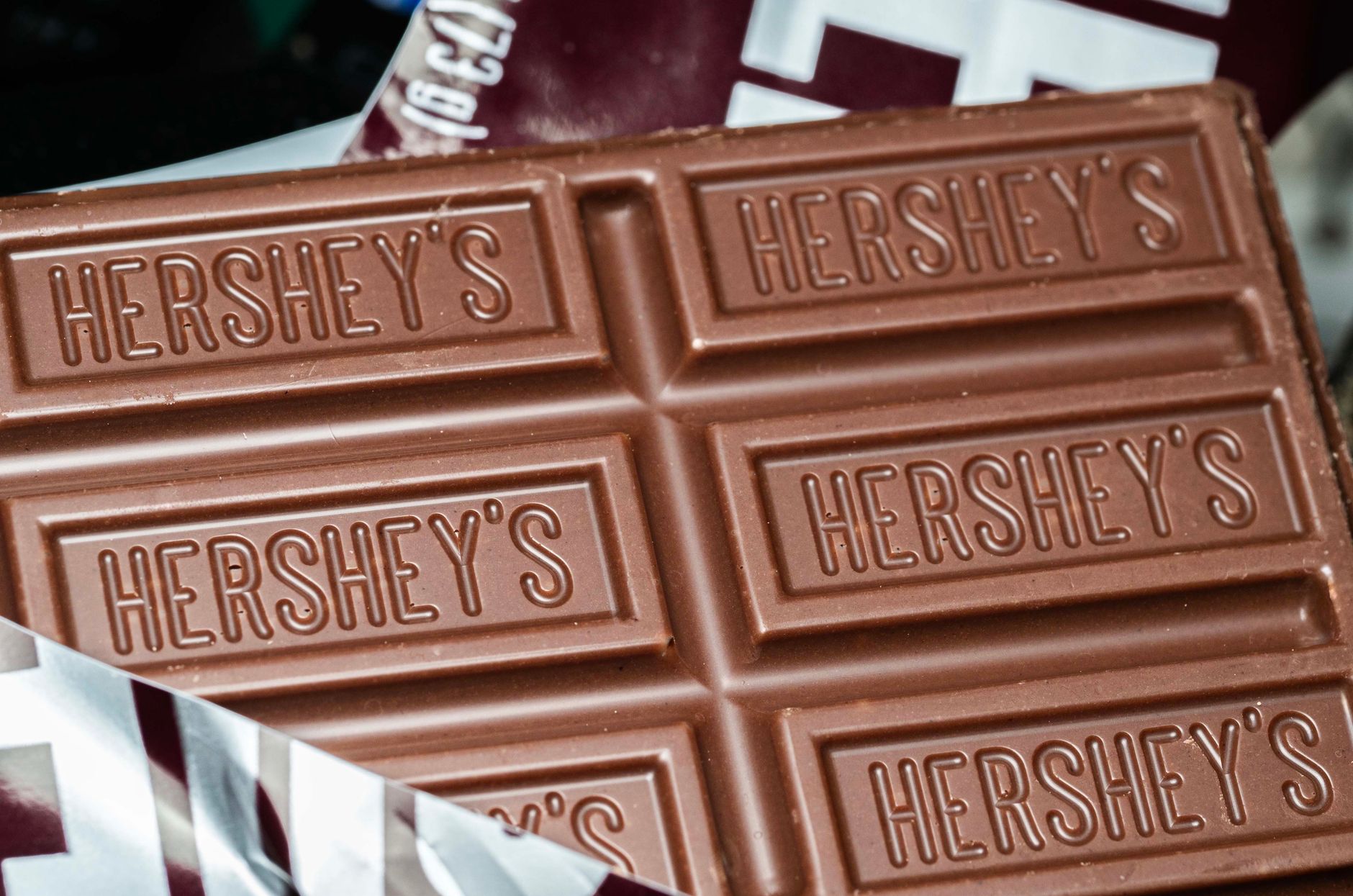
The taste of American chocolate has sparked considerable debate, with some people finding its flavor to be quite unpleasant, even likening it to vomit. This perception ties into complex factors such as ingredients, production methods, and regional variations in processing cocoa. Understanding these elements can clarify why American chocolate has garnered such a divisive reputation.
This article explores why American chocolate tastes different and delves into its ingredients, flavor profiles, and production techniques. We will also compare American chocolate with other styles, like European and Mexican chocolate, to help you appreciate these differences.
Why Does American Chocolate Taste Like Vomit?
The perception that American chocolate tastes like vomit can be attributed to the presence of certain additives and the way chocolate is processed in the U.S. This includes higher sugar content, the use of cocoa powder instead of dark chocolate, and the prevalence of milk chocolate. Combined, these factors can create a flavor profile that some find unpalatable.
The Role of Ingredients in American Chocolate
One of the most significant factors affecting the taste of chocolate is its ingredients. American chocolate often contains the following:
- Cocoa Powder: Many American chocolates use cocoa powder instead of pure cocoa mass, which can lead to a diminished chocolate flavor.
- Sugar: The sugar content in American chocolate is usually quite high, often making it overly sweet and masking authentic cocoa flavors.
- Milk and Cream: The taste of milk chocolate predominates in the U.S., especially in familiar brands. The creaminess from milk can clash with the natural bitterness of cocoa.
- Emulsifiers: Additives like PGPR (polyglycerol polyricinoleate) or lecithin are commonly used in American chocolate to improve texture and shelf life, but they can alter flavor perception.
Regional Differences in Chocolate Processing
Chocolate is processed differently in various regions of the world, affecting flavor and texture. American chocolate tends to prioritize sweetness and creaminess, while European and Mexican chocolate place more emphasis on the cocoa flavor itself.
European Chocolate
European chocolate often uses a higher cocoa content and a different fat-to-sugar ratio. This generally leads to a more balanced flavor profile with deeper cocoa notes. Additionally, artisanal chocolate makers in Europe frequently produce small batches using traditional methods, which can enhance flavor complexity and richness.
Mexican Chocolate
Mexican chocolate is distinctive due to its inclusion of spices like cinnamon and the use of unrefined sugar. It often has a coarser texture and may feature ingredients such as nuts or chilies. This layered flavor profile contrasts with the sweetness that defines many American chocolates.
Production Techniques Impacting Flavor
The production methods used in the chocolate-making process also contribute to the taste. In America, mass production often minimizes the complexities of flavor development, while traditional techniques can highlight various notes in the cocoa.
Cocoa Roasting
The roasting process is critical in developing the flavor of chocolate. In the U.S., large-scale production may utilize higher temperatures for shorter durations to increase efficiency, which can lead to burnt or overly bitter notes. In contrast, European makers often apply a slower, more controlled roasting process to develop milder and more nuanced flavors.
Conching Process
Conching is another vital step that involves refining chocolate through extensive mixing and aeration. In American chocolate production, this process might be shorter or less thorough, leaving behind undesirable flavors. In contrast, the European method focuses on achieving a smooth texture and rounded flavor profile.
The Psychological Effect of Flavor Perception
Interestingly, the perception of flavor is often influenced by psychological factors, including expectations based on past experiences. If someone has had a particularly unpleasant experience with an American chocolate product, they may project that expectation onto future encounters. Similar experiences can also shape preferences, leading to polarized opinions.
What Makes Chocolate Taste Good?
Understanding the qualities of good chocolate is crucial in navigating the various flavors available. Several components contribute to a fulfilling chocolate experience:
- Cocoa Content: Higher cocoa percentages generally provide a richer flavor without overpowering sweetness.
- Texture: A smooth and well-tempered chocolate enhances the eating experience.
- Balance: Good chocolate achieves a balance between sweetness and bitterness, often enhanced by complex flavor notes.
- Freshness: Freshly made chocolate often has superior flavor compared to mass-produced varieties.
How to Choose Better Chocolate
With a variety of chocolate brands available, selecting one that tastes good to you can be difficult. Here are some tips to find quality chocolate that suits your palate:
Look at the Ingredients
Check the ingredient list on the label—higher cocoa content is typically better. Aim for chocolate that lists cocoa mass, cocoa butter, or dark chocolate first, rather than sugar.
Consider Bean Origins
Premium chocolates will often indicate the region from which the cocoa beans originate. Different origin points yield specific flavor profiles, with beans from places like Venezuela or Ecuador known for their unique tasting notes.
Explore Artisan Brands
Artisan chocolate brands prioritize quality and often use minimal, organic ingredients. They also craft their products on a smaller scale, allowing for higher quality control.
Common Mistakes When Tasting Chocolate
Tasting chocolate can be an art, and there are some common pitfalls to avoid:
- Not Observing the Aroma: Smelling the chocolate before tasting can heighten the experience. Aroma can greatly influence perception of taste.
- Ignoring Texture: Chocolate should melt evenly in your mouth. A grainy or waxy texture often indicates low-quality chocolate.
- Focusing Solely on Sweetness: Good chocolate should have layers of flavor, not just sweetness. Avoid chocolates that are overly sugary.
How to Savor Chocolate
Savoring chocolate enhances the tasting experience. Here’s how to enjoy chocolate properly:
- Take a moment to admire its color and sheen.
- Gently break the chocolate and listen for the snap—it should be crisp.
- Smell the chocolate to identify its aromas.
- Place a small piece on your tongue and allow it to melt, letting the flavors develop gradually.
Alternatives to American Chocolate
If American chocolate does not align with your taste preferences, consider these alternatives:
- Dark Chocolate: Higher cocoa content with less sugar offers a more intense flavor.
- Organic and Fair Trade Chocolate: Often made with higher quality beans and less processed ingredients, reflecting a commitment to sustainability.
- Chocolate From a Specific Region: Seek chocolate that emphasizes single-origin cocoa, which can bring specific tasting notes to the forefront.
Making Your Own Chocolate at Home
If you want to take control of the flavor profile, consider making chocolate at home. To get started, you’ll need:
- Cocoa butter
- Cocoa powder
- Sweetener (like sugar or honey)
- Flavorings (like vanilla or spices)
Basic Homemade Chocolate Recipe
Follow this simple method to create your own chocolate:
- In a double boiler, melt 1 cup of cocoa butter.
- Once melted, remove from heat and whisk in 1 cup of cocoa powder until smooth.
- Add sweetener to taste (start with 1/2 cup and adjust as desired).
- Mix in any desired flavorings, like vanilla extract or a pinch of sea salt.
- Pour the mixture into molds and chill until hardened.
Conclusion
Understanding why American chocolate may taste off to some involves examining the ingredients, processing methods, and regional preferences. With higher sugar and milk content, the flavor profile differs significantly from other chocolates, leading to polarized opinions. However, insights into how to choose or even create chocolate can help elevate your chocolate experience.
If you’re curious about enjoying a different chocolate experience, consider making Mexican hot chocolate or exploring the vegan options available in the market. Each chocolate type can bring forth a unique sensory experience. You can find a delightful Mexican hot chocolate recipe or learn whether chocolate is vegan to broaden your palate.