
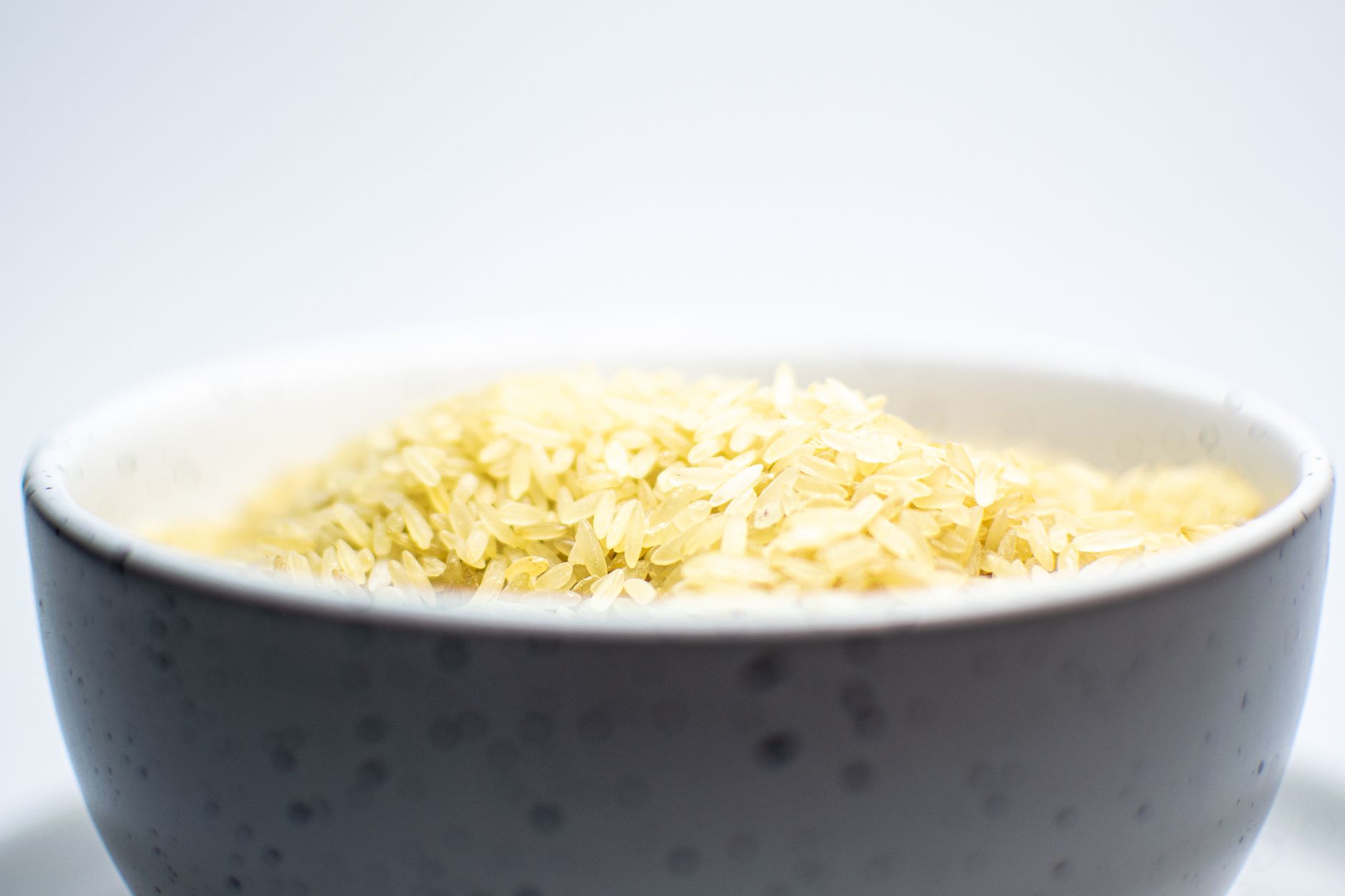
Washing rice is a common practice in many cuisines around the world, yet some home cooks still wonder about its necessity. This essential step influences the texture, flavor, and appearance of the finished dish. In this article, we will explore the reasons why washing rice is important, how to effectively wash it, the timing for doing so, and additional tips to enhance your rice-cooking skills.
Understanding the need for washing rice can elevate your cooking and lead to better results. Whether you are preparing a delicate jasmine rice or a robust basmati, knowing how to wash your rice properly can make all the difference in achieving the perfect bowl.
Why Do You Wash Rice Before Cooking?
Washing rice before cooking helps remove excess starch, dirt, and impurities that can affect the cooking process and final texture. By rinsing rice, you can prevent it from becoming gummy and clumping together, resulting in fluffy and separate grains. Additionally, washing helps eliminate any residual chemicals or environmental pollutants that may be present on the rice.
The Importance of Removing Starch
One of the primary reasons for washing rice is to remove surface starch, which can lead to a sticky texture when cooked. Different types of rice have varying levels of starch:
- Long-grain rice: Contains less starch, making it fluffy.
- Medium-grain rice: Has moderate starch levels, resulting in a slightly creamy texture.
- Short-grain rice: Usually contains more starch, leading to a stickier, gummy consistency.
When washing the rice, excess starch is rinsed away, resulting in grains that remain individual rather than clumping together when cooked.
Removing Impurities and Debris
Rice can sometimes have impurities, such as husks, dirt, or small stones, that may be present from production and packing. Washing rice acts as a simple quality control step, ensuring fewer foreign substances make their way into your meal. This practice is especially important if you’re using bulk rice from a local market where cleaner handling may not be guaranteed.
How to Wash Rice Effectively
Washing rice can be done in several simple steps. Follow this straightforward method:
- Measure the Rice: Determine the quantity of rice you want to cook.
- Place in a Bowl: Add the rice to a large bowl, ideally one that allows enough space for water without spilling.
- Add Water: Fill the bowl with cold water, enough to cover the rice by a few inches.
- Stir Gently: Use your hand to gently swirl the rice in the water. This action helps release the starch.
- Drain the Water: Carefully pour off the water, being mindful not to lose any rice.
- Repeat: Repeat the rinsing process 2-3 times until the water appears relatively clear.
- Let Drain: Allow the rice to sit in the strainer or colander for a few minutes to remove excess water before cooking.
Timing for Washing Rice
The timing of washing rice doesn’t have strict rules, but there are some things to consider:
- Immediate Preparation: Washing rice just before cooking is ideal, as it maintains the freshness of the grains.
- Pre-Soaking: If you plan to soak your rice before cooking (common with certain varieties like basmati), it’s recommended to rinse it prior to soaking. This will further ensure the removal of excess starch.
It’s important not to wash rice too far in advance as it can become wet and spoil, especially in humid climates. Aim to wash rice close to the time you plan to cook it for optimal results.
Types of Rice and Their Specific Needs
Different types of rice may require different washing methods or timings:
Basmati Rice
Basmati rice has a high starch content, so it benefits greatly from washing. Rinsing basmati enhances its natural fragrance and helps it remain separate during cooking. It’s common to soak basmati rice for 30 minutes after rinsing for added fluffiness.
Jasmine Rice
Jasmine rice, similar to basmati, is aromatic and slightly sticky when cooked. It is best to rinse jasmine rice until the water runs somewhat clear, which will help achieve a light and fluffy texture.
Brown Rice
Brown rice also benefits from rinsing, though the process may take a bit longer due to its outer bran layer. Rinse thoroughly to help reduce the nutty flavor that some find overpowering and to enhance its nutty texture.
Sushi Rice
Sushi rice is typically very sticky, but washing is still essential. Rinse sushi rice until the water runs clear to balance the stickiness, allowing for the perfect texture to form when making sushi or rice balls.
Common Mistakes When Washing Rice
Washing rice is a simple process, but certain mistakes can hinder your results. Consider these common pitfalls:
- Using Hot Water: Always use cold or lukewarm water, as hot water can activate the starch and make it sticky.
- Not Rinsing Enough: Failing to rinse thoroughly can result in gummy rice. Aim for water that runs clear during the rinsing process.
- Poor Draining: Not allowing the rice to drain adequately before cooking can lead to overly soggy rice.
Substituting for Washing Rice
There are specific scenarios where washing rice might be skipped:
- Prepackaged or Instant Rice: Typically does not require washing, as it is often pre-cooked or parboiled.
- Organic Rice Varieties: If you are using high-quality organic rice that has been cleaned, washing may be unnecessary. However, weighing this against personal preference is essential.
Enhancing the Cooking Process
After washing rice, there are additional steps you can take to elevate the final dish:
- Toasting the Rice: Before adding water, try toasting the washed rice in a dry pan or with a bit of oil. This enhances the flavor and can add a depth to the final dish.
- Using Broth Instead of Water: Replacing cooking water with vegetable or chicken broth adds rich flavor to the rice.
- Infusing Aromatics: Consider adding spices, herbs, or aromatics like garlic or bay leaves to the cooking water for extra depth.
Cooking Ratios and Times
The ideal water-to-rice ratio can vary depending on the type of rice, but here’s a general guide:
| Type of Rice | Water Ratio | Cooking Time |
|---|---|---|
| Long Grain (e.g., Jasmine) | 1 cup rice : 1.5 cups water | 15-20 minutes |
| Basmati | 1 cup rice : 1.5 cups water (after soaking) | 15-20 minutes |
| Brown Rice | 1 cup rice : 2.5 cups water | 40-50 minutes |
| Sushi Rice | 1 cup rice : 1 cup water | 18-20 minutes |
Storage Considerations
Understanding proper storage for both uncooked and cooked rice is essential:
- Uncooked Rice: Store in a cool, dry place in an airtight container. Brown rice has a shorter shelf life due to its oils but can typically last up to six months.
- Cooked Rice: Store in an airtight container in the refrigerator for up to four days. For long-term storage, freeze cooked rice for up to six months.
Creative Ways to Use Rice
Once you’ve mastered washing and cooking rice, experiment with various dishes. Here are some ideas:
- Rice Bowls: Create nourishing rice bowls topped with roasted vegetables, proteins, and sauces.
- Pilafs: Sauté onions and spices, add washed rice, and broth for a quick, flavorful dish.
- Sushi: Use properly cooked and washed sushi rice to roll your favorite ingredients.
- Paella: Incorporate washed rice into traditional Spanish paella with saffron, seafood, and spices.
Washing rice may seem like a minor detail, but its importance should not be overlooked. By following these steps, you can ensure that your rice dishes achieve the desired texture and flavor. Whatever type of rice you choose, remember that proper washing can be a game changer in your culinary adventures.
For more cooking tips, explore how to perfectly measure water for rice and check if basmati rice is gluten-free.