
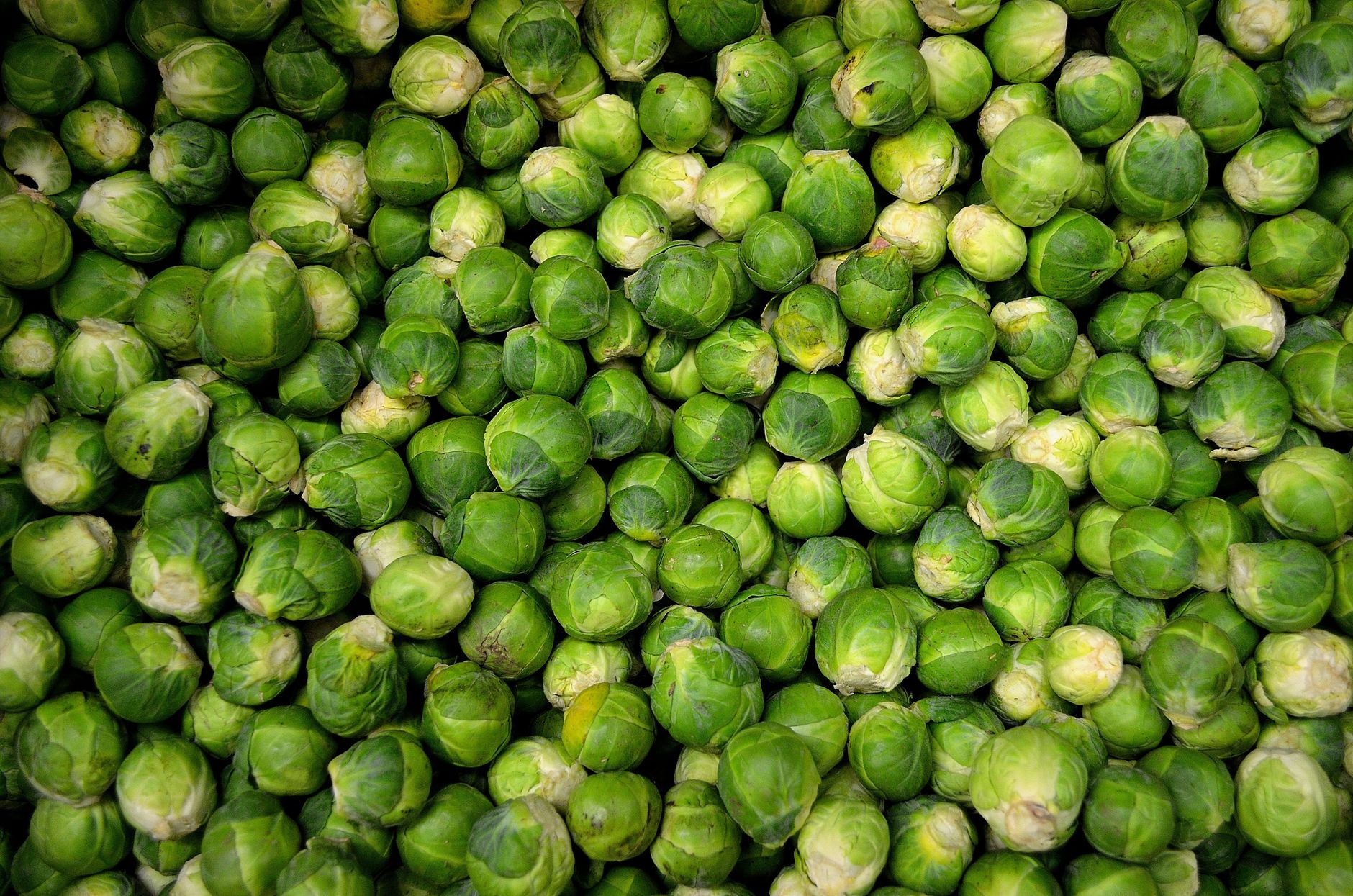
Brussels sprouts are often beloved for their unique flavor and versatility in various dishes, yet many people experience gas after consuming them. Understanding the reasons behind this digestive response can help you enjoy these nutritious vegetables while minimizing discomfort.
This article delves into the science of why Brussels sprouts cause gas, exploring their composition, how they affect digestion, and tips for reducing gas production while still enjoying this popular leafy green.
Why Do Brussels Sprouts Cause Gas?
Brussels sprouts contain certain carbohydrates and fibers that can lead to gas production in the digestive system. These compounds, particularly raffinose and sulfur-containing compounds, are not easily digestible, resulting in fermentation by gut bacteria and the production of gas.
Understanding the Composition of Brussels Sprouts
Brussels sprouts belong to the cruciferous vegetable family, which also includes broccoli, cauliflower, and kale. Their nutritional profile is rich, but it is their fiber, sugar, and sulfur content that contribute to gas production.
The Role of Dietary Fiber
Brussels sprouts have a high fiber content which aids digestion and promotes intestinal health. However, not all fibers are created equal. The soluble fiber in Brussels sprouts can ferment during digestion, leading to gas production. The fermentation process occurs in the large intestine, where beneficial bacteria break down these fibers and produce gases such as carbon dioxide, methane, and hydrogen.
Raffinose: The Gas-Forming Carbohydrate
Raffinose is a complex sugar that is present in Brussels sprouts. It consists of galactose, glucose, and fructose. Humans lack the necessary enzyme (alpha-galactosidase) to break down raffinose in the small intestine, leading to its fermentation in the colon. This process can create gas and discomfort for some individuals.
Sulfur Compounds
Brussels sprouts contain sulfur-containing compounds known as glucosinolates. While these compounds have health benefits, they contribute to the distinctive, sometimes pungent smell of gas produced during digestion. When sulfur is metabolized in the gut, it can produce hydrogen sulfide, the gas responsible for the unpleasant smell associated with flatulence.
Individual Factors That Influence Gas Production
Individual differences in digestive health can also play a role in how much gas a person produces after eating Brussels sprouts. Here are some factors that can influence this:
Gut Health
The composition of your gut microbiome can significantly affect how food is digested and what gases are produced. A healthy balance of bacteria can help break down complex carbohydrates, potentially reducing gas. On the other hand, gut imbalances may lead to increased fermentation and gas production.
Food Sensitivities
Some individuals may have sensitivities to certain fibers or gases produced during digestion. For example, those with irritable bowel syndrome (IBS) may experience increased symptoms after consuming high-fiber foods, including Brussels sprouts.
Cooking Techniques
The way Brussels sprouts are prepared can also affect gas production. Cooking methods that break down fibers can help reduce the possibilities of fermentation and gas. For example, steaming, boiling, or roasting Brussels sprouts can make them easier to digest compared to consuming them raw.
How to Reduce Gas from Brussels Sprouts
If you love Brussels sprouts but want to reduce gas, there are several strategies you can employ.
Gradual Introduction
Introduce Brussels sprouts slowly into your diet, allowing your body to adjust to the increased fiber intake. Start with smaller portions and gradually increase them over time to give your digestive system time to adapt.
Cooking Methods
Try different cooking methods that can help break down some of the gas-producing compounds:
- Steaming: Steaming Brussels sprouts until tender can make them easier to digest.
- Boiling: Boiling Brussels sprouts for a few minutes before adding them to dishes can help reduce their gas-causing properties. Just make sure to drain and rinse them afterward.
- Roasting: Roasting Brussels sprouts caramelizes their sugars and enhances their flavor while also softening the fibers, making digestion easier.
Pairing with Digestive Aids
Incorporating certain foods can aid digestion:
- Ginger: Known for its digestive properties, adding ginger to your Brussels sprouts can help alleviate gas.
- Fennel: This herb can help in reducing bloating and gas. Consider adding fennel seeds or sautéing fresh fennel along with Brussels sprouts.
- Apple Cider Vinegar: Mixing Brussels sprouts in dishes that include apple cider vinegar can help enhance digestion.
Use of Digestive Enzymes
For those who frequently experience discomfort, over-the-counter digestive enzymes that contain alpha-galactosidase can be helpful. These enzymes can help break down complex sugars like raffinose, potentially reducing gas production.
The Nutritional Benefits of Brussels Sprouts
Despite their potential to cause gas, Brussels sprouts are incredibly nutritious and are an excellent addition to a balanced diet.
Rich in Vitamins and Minerals
Brussels sprouts are a formidable source of vitamins K and C, which contribute to immune function, bone health, and overall wellbeing. They also provide folate, manganese, and antioxidants that combat oxidative stress in the body.
Low in Calories and High in Fiber
With their low-calorie count and high fiber content, Brussels sprouts can be an excellent option for those looking to maintain or lose weight while still feeling satiated. Fiber promotes fullness and helps regulate digestion.
Potential Cancer-Fighting Properties
The glucosinolates found in Brussels sprouts are believed to have cancer-fighting properties. They are thought to help detoxify harmful compounds in the body and may reduce the risk of certain types of cancer, including colorectal cancer.
Conclusion
Brussels sprouts can cause gas due to their fiber content, raffinose, and sulfur compounds. However, with a little understanding and proper preparation, you can enjoy their distinct flavor and numerous health benefits without the discomfort. By gradually introducing them into your diet, using appropriate cooking methods, and pairing them with digestive aids, you can minimize gas while savoring this nutritious vegetable.
For more tips on related foods, consider exploring how cabbage might impact digestion or try out a delicious sautéed cabbage recipe to add variety to your meals.