
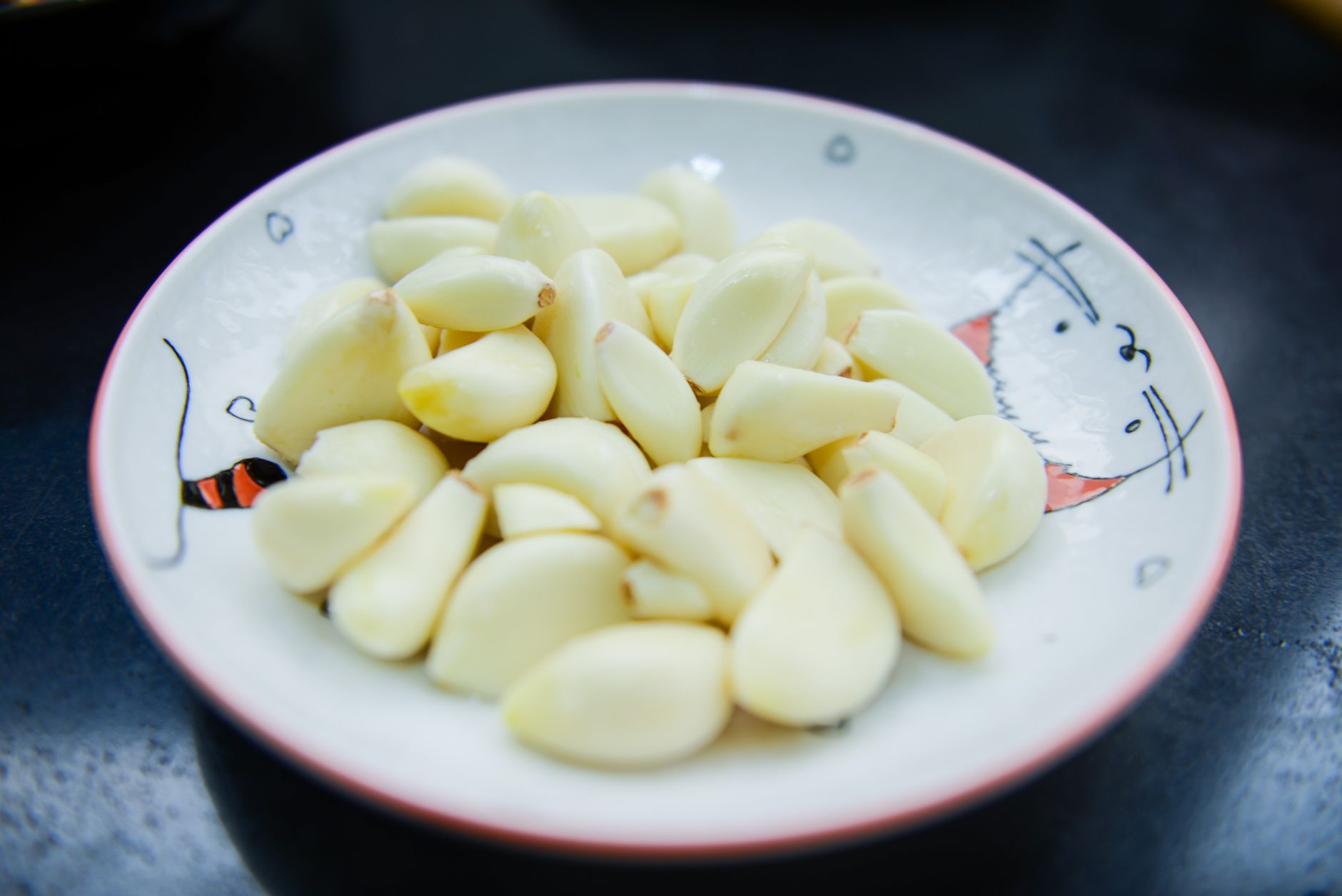
Garlic is a beloved ingredient in kitchens worldwide, known for its robust flavor and aromatic qualities. However, discovering that your garlic has turned green can be unsettling. While it may look concerning, green garlic is generally harmless and can be safely used in your dishes. Understanding why garlic turns green and how to work with it can enhance your culinary experiences.
This article will explore the reasons for the green color in garlic, its culinary uses, and tips for not only preventing this occurrence but also for making the most of your garlic when it does turn green.
Why Did My Garlic Turn Green?
Garlic turns green primarily due to a natural reaction involving sulfur compounds present in the garlic. This reaction can occur when garlic is exposed to cold temperatures or due to its interaction with acidic ingredients. In most cases, the green color indicates the presence of chlorophyll and does not affect the flavor or safety of the garlic.
Understanding the Science Behind Green Garlic
When garlic cloves are cut or damaged, they release certain chemical compounds. These compounds can react with acids or undergo a reaction when exposed to certain temperatures, leading to the development of green pigments.
Factors That Cause Garlic to Turn Green
- Temperature: Storing garlic in cold environments can trigger the formation of chlorophyll, which results in a green hue.
- Age: Older garlic tends to be more prone to discoloration as its natural compounds begin to break down.
- Acidity: When garlic is mixed with acidic ingredients like vinegar or lemon juice, it can react and develop green hues.
- Genetics: Some varieties of garlic are more likely to turn green than others, particularly hardneck varieties.
Culinary Uses of Green Garlic
Green garlic is not only safe to eat but can also add a unique flavor to many dishes. Here are some practical uses:
Flavor Enhancements
- Green garlic carries a milder flavor than traditional garlic and can be used in salad dressings, sauces, or as a finishing touch on a variety of dishes.
- Add green garlic to soups and stews for a subtle garlic flavor without overpowering the other ingredients.
- In pesto, green garlic can replace regular garlic for a softer taste and appealing color.
Cooking Techniques
When cooking with green garlic, consider the following techniques:
- Sautéing: Green garlic can be sautéed in olive oil to release its flavors, ideal for use in stir-fries or sautéed vegetables.
- Roasting: Roasting garlic enhances its sweetness, making it a delightful addition to mashed potatoes or spread on bread.
- Pickling: Green garlic can be pickled and used as a condiment, adding a unique tang to burgers and sandwiches.
How to Prevent Garlic from Turning Green
While it’s typically safe to eat green garlic, there are methods to avoid this occurrence:
Proper Storage Methods
Storing garlic correctly can help maintain its quality and prevent it from turning green:
- Keep Cool: Store garlic in a cool, dry, and dark place. Avoid refrigeration as the cold temperature can induce greening.
- Air Circulation: Use a mesh bag or a basket that allows airflow. This prevents moisture buildup, reducing the chances of greening.
- Separate Cloves: Only separate the cloves you plan to use at that time to maintain the integrity of the remaining garlic bulb.
Selecting Fresh Garlic
Choosing fresh garlic bulbs can help reduce the likelihood of greening:
- Look for bulbs that are firm and plump, with no signs of sprouting or decay.
- Select garlic bulbs that have unbroken skins, as damaged skins can lead to quicker spoilage.
Common Mistakes to Avoid with Garlic
When working with garlic, certain mistakes can lead to undesirable outcomes, including greening:
Cooking Techniques
- Overheating: Avoid high heat when cooking garlic; it’s best to sauté on medium heat to prevent caramelization that might lead to bitter flavors.
- Adding Garlic Too Early: If you’re making a dish that cooks quickly, add garlic later in the cooking process to preserve its flavor and prevent burning.
Storage Errors
- Storage in Plastic: Avoid wrapping garlic in plastic wrap, as it can trap moisture leading to sprouting and greening.
- Storing Near Potatoes: Do not store garlic near potatoes, as the gases emitted can lead to sprouting and spoilage.
What to Do If Your Garlic Has Already Turned Green
If you discover your garlic has turned green, here’s how to proceed:
Assessing Quality
First, closely inspect the garlic:
- If it hasn’t sprouted and is still firm, it is safe for consumption.
- Remove any exceedingly green parts if they affect the dish’s flavor.
Incorporating Green Garlic into Dishes
Here are some ways to incorporate it into your cooking:
- Chop it finely and mix it into dips or spreads.
- Blend it into soups or sauces where it will be cooked down.
- Use it as a garnish for dishes, adding both visual appeal and a mild garlic flavor.
Storage Tips for Fresh Garlic
To ensure your garlic lasts as long as possible, consider these additional storage tips:
Long-Term Storage Options
- Freezing: Garlic can be minced and frozen in ice cube trays for easy use later. Just pop out a cube as needed.
- Dehydrating: Dehydrate garlic to create garlic powder, extending its shelf life significantly.
Products for Longer Shelf Life
Consider using products designed to keep garlic fresher for longer, such as:
- Garlic keepers, made of terracotta to absorb excess moisture.
- Specialty bags designed for garlic storage that promote airflow while keeping them dark.
Recipes Featuring Garlic (Green or Not)
Garlic is a versatile ingredient that can elevate many dishes. Here are a few recipes to try, incorporating both fresh and green garlic:
Garlic Mayo
This creamy garlic mayo is simple to make and can elevate sandwiches, salads, and dips.
Ingredients:
- 1 cup mayonnaise
- 2–3 cloves garlic (fresh or green, minced)
- 1 tablespoon lemon juice
- 1 teaspoon Dijon mustard
- Salt to taste
Instructions:
- In a mixing bowl, combine mayonnaise, minced garlic, lemon juice, and mustard.
- Mix until well combined and season with salt to taste.
- Refrigerate for at least 30 minutes before serving for the flavors to meld.
Garlic Roasted Vegetables
Roasted vegetables with garlic make for a delicious side dish.
Ingredients:
- 4 cups mixed vegetables (carrots, bell peppers, zucchini)
- 4 cloves garlic (fresh or green, minced)
- 3 tablespoons olive oil
- Salt and pepper to taste
Instructions:
- Preheat the oven to 400°F (200°C).
- In a bowl, combine vegetables, minced garlic, olive oil, salt, and pepper.
- Toss to coat and spread evenly on a baking sheet.
- Roast for 25–30 minutes or until vegetables are tender and slightly caramelized.
Conclusion
Garlic turning green is often a natural occurrence, unlikely to harm flavor or safety. Understanding the reasons behind it helps in both prevention and utilization. Embrace green garlic in your culinary adventures for unique flavor enhancements. Regardless of its color, garlic remains a staple for countless delicious dishes!
Explore related recipes like garlic mayo or learn more about signs of freshness with how to tell if salmon is bad for a comprehensive approach to your cooking. Enjoy your culinary creations!