
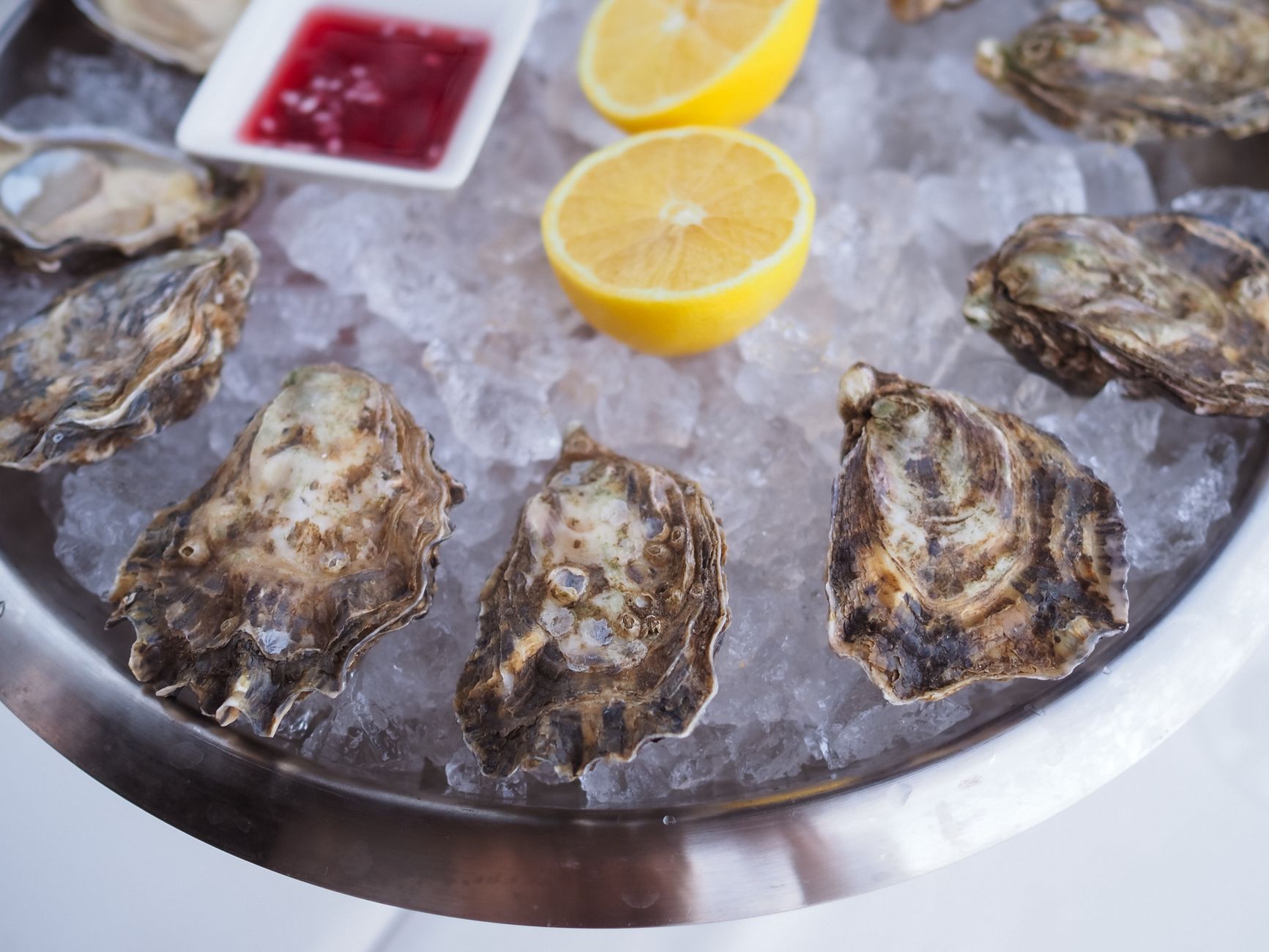
Oysters have long been associated with romance and sensuality, often deemed an aphrodisiac food. But what exactly makes them so special in the realm of attraction and desire? This article dives into the reasons behind oysters’ reputation, exploring their nutritional profile, cultural significance, and culinary uses.
Understanding the science and lore surrounding oysters can enhance your dining experience, whether you’re planning a romantic dinner or simply curious about the culinary world. Let’s explore why these bivalves are celebrated as aphrodisiacs and how to prepare them in your own kitchen.
Why Are Oysters an Aphrodisiac?
The association of oysters with aphrodisiac properties stems from a variety of factors. Firstly, oysters are rich in zinc, an essential mineral that plays a role in hormone production. Secondly, their creamy texture, briny flavor, and the act of slurping them can create an intimate dining experience that heightens the senses. Combined, these elements contribute to their reputation as a food that can enhance libido and attraction.
The Nutritional Profile of Oysters
To grasp why oysters are considered aphrodisiacs, it helps to look at what they offer nutritionally. Here are key components of their profile:
- Zinc: Oysters contain more zinc per serving than most foods, which is crucial for testosterone levels in both men and women.
- High in Protein: A good source of lean protein, oysters can contribute to overall health and vitality.
- Rich in Omega-3 Fatty Acids: These healthy fats promote heart health and improve circulation, which is vital for a functioning libido.
- Vitamins: They provide essential vitamins such as B12, C, and A, contributing to overall well-being.
The Cultural Significance of Oysters
Throughout history, different cultures have celebrated oysters not just as a delicacy but also as a symbol of love and fertility. Ancient Romans associated them with the goddess of love, Venus, while in many cultures, oysters are offered during ritualistic practices aimed at enhancing fertility and romantic bonds.
Food of Love in Literature and Art
Numerous literary works and artistic pieces have romanticized oysters as a food of love. From classical poetry to modern novels, they often appear as symbols of decadence, sensuality, and eroticism. This cultural weight contributes significantly to their status as an aphrodisiac.
How to Select Fresh Oysters
Selecting the right oysters is crucial for both flavor and safety. Here are some practical tips:
- Smell: Fresh oysters should smell like the ocean, not fishy. A briny, fresh aroma is ideal.
- Shell Condition: Look for oysters with tightly closed shells or those that close when tapped. Open shells may indicate dead oysters.
- Size: Choose oysters according to your preference; smaller varieties like Kumamoto are sweeter, while larger ones like Pacific oysters have a more pronounced brine.
Cooking Techniques for Oysters
Oysters can be enjoyed in various ways, from raw on the half shell to baked or grilled. Here are some common methods:
Raw Oysters
Serving oysters raw is a classic way to appreciate their natural flavor. Here’s how to prepare them:
- Ensure you have fresh oysters. Clean them with a brush under cold running water.
- Shuck the oysters using an oyster knife, inserting the blade into the hinge and twisting to open.
- Place them on ice with lemon wedges and dipping sauces like mignonette or cocktail sauce.
Grilled Oysters
Grilling enhances the flavor, giving oysters a smoky depth that’s hard to resist. Here is a simple method:
- Preheat your grill to medium-high heat.
- Shuck the oysters, placing them on the grill while still in their half shells.
- Top with a mixture of butter, garlic, and fresh herbs.
- Grill for about 5-7 minutes or until the oysters are cooked through and the edges begin to curl.
Baked Oysters
Baked oysters can make an impressive appetizer. Here’s a straightforward approach:
- Preheat your oven to 400°F (200°C).
- Shuck the oysters and place them on a baking sheet.
- Top each oyster with a dollop of a mixture made from breadcrumbs, cheese, garlic, and parsley.
- Bake for around 10-12 minutes, until the topping is golden brown.
Flavor Pairings and Serving Suggestions
To elevate your oyster experience, consider these flavor pairings:
- Citrus: Lemon or lime juice enhances the briny flavor.
- Hot Sauce: A dash of hot sauce adds heat and complexity.
- Herbs: Fresh herbs like parsley and chives provide a pop of freshness.
- Champagne or White Wine: Bubbles or light acidity in these drinks pair well with the richness of oysters.
Common Mistakes and Troubleshooting
Even seasoned cooks can make mistakes when handling oysters. Here are a few pitfalls to avoid:
- Using Expired Oysters: Always check freshness as mentioned before. Consuming bad oysters can lead to foodborne illness.
- Overcooking: Oysters can become rubbery if overcooked. Keep an eye on them, particularly when grilling or baking.
- Improper Shucking: Always use an oyster knife and protective cloth or glove to avoid injury during the shucking process.
Make-Ahead Options
While raw oysters are best enjoyed fresh, some cooked varieties can be made ahead of time. Baked oysters can be prepared with the topping ahead and baked right before serving. Grilled oysters also hold well if kept warm and covered.
Storage Guidelines
For those lucky enough to have leftovers or wish to store oysters:
- Refrigeration: Unshucked oysters can be kept in the refrigerator for up to a week. Store them in a breathable container like a mesh bag.
- Cooked Oysters: Cooked oysters should be consumed within 2-3 days if stored properly in the refrigerator.
Exploring Oysters Beyond the Aphrodisiac
While oysters may have gained notoriety as aphrodisiacs, they are versatile ingredients that can be used in numerous dishes beyond the dinner plate. Their unique briny flavor can add depth to salads, pastas, and soups. Consider incorporating them into chowders or pasta dishes for an exciting twist.
Conclusion
Oysters are more than just a romantic delicacy. Their nutritional composition, cultural significance, and versatility in cooking make them a fascinating ingredient to explore. Whether you’re serving them raw, grilling, or baking, oysters can create memorable dining experiences. You’ll quickly learn why they captivate taste buds and imaginations alike.
Explore related recipes and cooking tips to fully appreciate the world of oysters and seafood in your culinary adventures. Check out our guides on oyster sauce and a delightful oyster cracker snack to expand your culinary repertoire!