
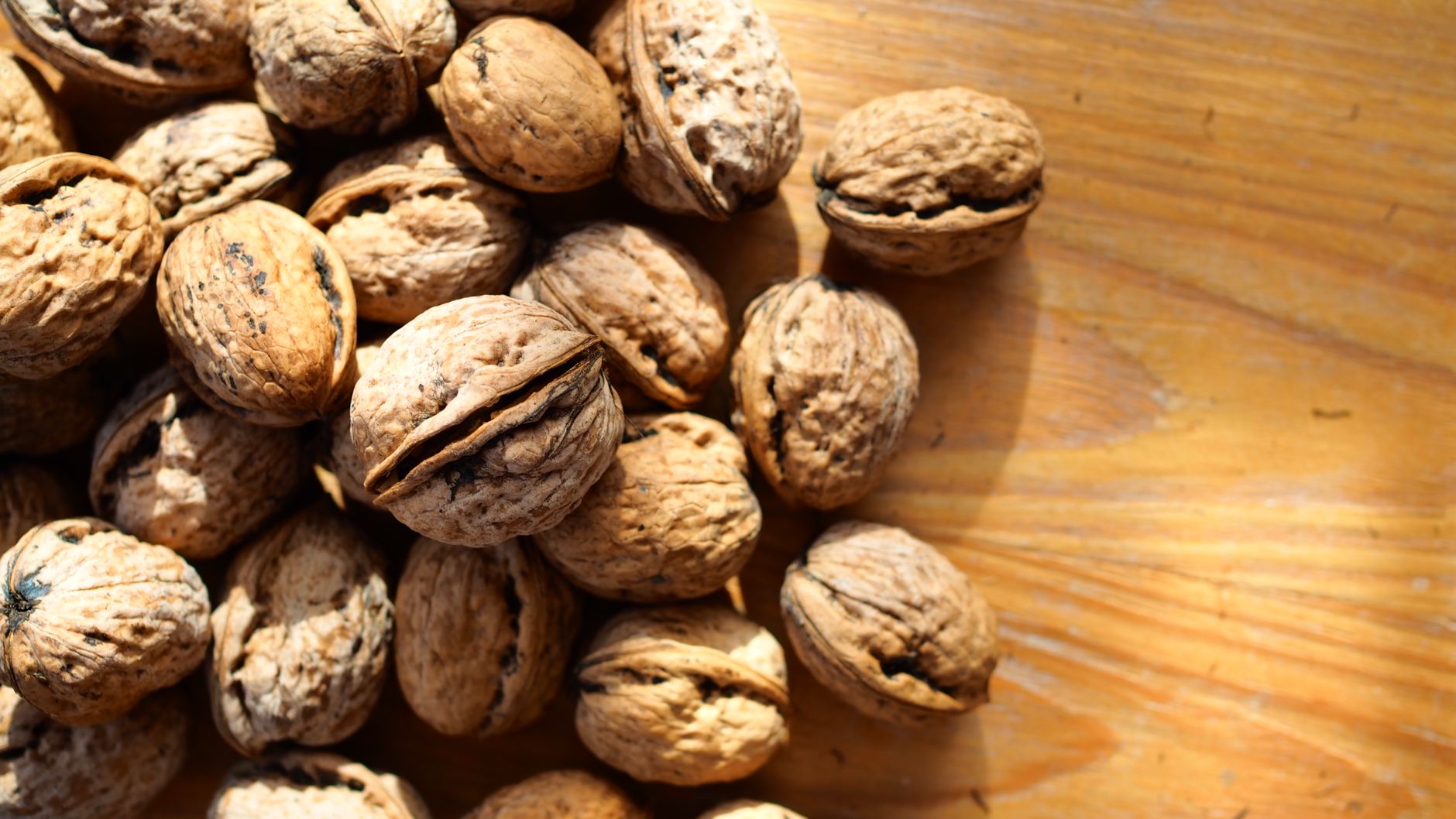
Brazil nuts are not only known for their rich, creamy texture and earthy flavor but also for their surprising price tag. This costliness can often catch consumers off guard, especially when compared to other nuts. Understanding the reasons behind the high price of Brazil nuts can help consumers make informed choices. This article delves into the factors contributing to their expense and the variety of ways they can be used in your kitchen.
From their unique harvesting process to their nutritional benefits, we will explore everything you need to know about Brazil nuts and why they deserve a place in your diet—despite their cost. Let’s uncover the reasons behind their premium price and discover creative uses for this delicious nut.
Why Are Brazil Nuts So Expensive?
Brazil nuts are expensive primarily due to their labor-intensive harvesting process, limited growing regions, and environmental factors. The nuts grow in remote areas of the Amazon rainforest, making transportation and accessibility challenging. Additionally, Brazil nuts have a shorter shelf life compared to other nuts, all contributing to their high market price.
The Harvesting Process
One of the key reasons for the high cost of Brazil nuts is the complexity of their harvesting.
Growing Locations
Brazil nuts are indigenous to the Amazon rainforest, mainly found in Brazil, Bolivia, and Peru. The trees can grow up to 150 feet tall, and their fruit, which resembles a large coconut, can take about 14 months to mature. Each fruit contains 20 to 25 seeds, which are the actual Brazil nuts.
Labor-Intensive Collection
Harvesting Brazil nuts is not an easy task. Once the fruit falls to the ground, it must be collected manually due to the height of the trees and the rugged terrain of the rainforest. Harvesters often use machetes and ladders to reach the fallen fruits, making the process labor-intensive and time-consuming. Additionally, this nuts’ harvest takes place during a specific season, limiting the quantity that can be collected each year.
Transportation Challenges
Once the Brazil nuts are harvested, they need to be transported to processing facilities. This transport often occurs through remote areas, requiring special vehicles and logistics. Many nuts must be transported over long distances, which further increases their cost. These transportation challenges contribute to the overall price that consumers see in stores.
Environmental Factors
The sustainability of Brazil nut harvesting is closely tied to environmental factors. Here are some of the key considerations:
Deforestation and Climate Change
The Amazon rainforest faces threats from deforestation and climate change, which can impact the growth of Brazil nut trees. As their natural habitat diminishes, finding suitable areas for growth becomes increasingly difficult. This scarcity can lead to higher prices in the market due to limited supply.
Certification and Fair Trade Practices
Many Brazil nut producers adhere to sustainable harvesting practices to protect the Amazon ecosystem. These ethical practices often come with additional costs involved in certification and compliance with fair trade standards. These costs are typically passed on to the consumer, further raising the price of Brazil nuts.
Nutritional Profile and Health Benefits
The high price of Brazil nuts can also be justified by their impressive nutritional value and health benefits:
- Selenium: Brazil nuts are remarkably high in selenium, an important mineral with antioxidant properties that may contribute to various health benefits, including improved thyroid function and immune response.
- Healthy Fats: They are an excellent source of healthy fats, particularly monounsaturated and polyunsaturated fats, which can support heart health.
- Protein Source: Brazil nuts offer a good amount of protein, making them an ideal snack for vegetarians and vegans.
- Rich in Minerals: They contain several key minerals such as magnesium, phosphorus, and copper, which are vital for overall health.
Creative Uses for Brazil Nuts in Your Kitchen
While their price may deter some consumers, Brazil nuts can be a versatile ingredient in various dishes:
Snacking
One of the simplest ways to enjoy Brazil nuts is as a straightforward snack. Their creamy texture makes them ideal for nibbling at any time of the day. Just a small handful can be quite satisfying.
Baking
Add chopped Brazil nuts to baked goods like cookies, muffins, and loaves for an added crunch and nutty flavor. They work particularly well in banana bread or granola recipes, adding depth and richness.
Salads and Grain Bowls
Incorporate chopped or sliced Brazil nuts into salads and grain bowls for an extra layer of flavor and nutritional value. They provide a delightful contrast to fresh vegetables and grains while adding healthy fats.
Nut Butters and Spreads
Making a creamy Brazil nut butter at home is a great way to enjoy their rich flavor. Simply blend roasted Brazil nuts in a food processor until smooth, and enjoy on toast, pancakes, or in smoothies.
Homemade Granola and Trail Mix
Combine Brazil nuts with oats, seeds, dried fruit, and other nuts to create your own homemade granola or trail mix. This snack is great for on-the-go, providing energy and nutritional benefits.
Sauces and Dressings
Blend Brazil nuts into sauces or dressings to create a creamy texture without dairy. For example, combine with olive oil, vinegar, and herbs for a nutritious salad dressing.
Storage Tips for Brazil Nuts
To enjoy Brazil nuts at their best, proper storage is crucial:
- Store in an airtight container in a cool, dry place to prevent them from going rancid.
- For longer shelf life, consider refrigerating or freezing them. This can help maintain their freshness and flavor.
- Avoid exposing Brazil nuts to heat, moisture, or direct sunlight, as these conditions can accelerate spoilage.
Ingredient Substitutions
If you find yourself needing to replace Brazil nuts in recipes, there are several alternatives you could consider:
- Macadamia Nuts: Similar in taste and texture; they have a rich, buttery flavor.
- Walnuts: Provide a different flavor but still offer healthy fats and protein.
- Pine Nuts: Slightly sweeter, they work well in pesto and other sauces.
- Pecans: They have a soft texture that can mimic Brazil nuts in baked goods.
Common Mistakes and Troubleshooting
While cooking or baking with Brazil nuts, consider the following common pitfalls and solutions:
- **Over-roasting:** Keep a close eye while toasting Brazil nuts, as they can quickly turn from perfectly roasted to burnt. Toasting in short intervals is recommended.
- **Unbalanced Flavors in Baked Goods:** If using Brazil nuts in sweet recipes, balance their richness with a bit of acid, like lemon, to counteract the fat.
Conclusion
In summary, Brazil nuts offer a unique combination of flavor, nutrition, and versatility but come at a premium price due to their complex harvesting process, transportation challenges, and environmental considerations. Their impressive health benefits also justify their cost, making them a worthy addition to your diet. By understanding the reasons behind their expense and exploring the various ways to use them in the kitchen, you can make educated choices about incorporating Brazil nuts into your meals.
For more fascinating recipes and insights on using nuts, feel free to explore our Pistachio Paste Recipe and our delicious Brazilian Cheese Bread Recipe. Enjoy experimenting with Brazil nuts and discovering their many culinary possibilities!