
There’s nothing quite like the creamy, rich goodness of homemade mayonnaise, and this Whole 30 Mayonnaise Recipe is a fantastic way to elevate your dishes. It’s special because it’s not only easy to make, but it also fits perfectly within Whole 30 guidelines, giving you a guilt-free option to enhance your meals.
This mayonnaise is velvety, flavorful, and incredibly versatile. Whether you use it in salads, dips, or sandwiches, it brings a delightful touch that you simply can’t get from store-bought versions. Let’s get started with the ingredients you’ll need!
Why You’ll Love This Recipe
This mayonnaise is a must-try for anyone looking to spice up their dishes while sticking to their dietary goals.
- Quick and simple to make with just a few ingredients.
- Rich and creamy texture that rivals store-bought brands.
- Versatile enough to use in numerous recipes.
- Completely free of preservatives and artificial ingredients.
- Perfect for Whole 30, paleo, and keto diets.
My Experience Making This Recipe
When I first whipped up this mayo, I was blown away by how easy it was. The aroma of fresh ingredients blended together is simply irresistible.
My family was all in on taste-testing, and the delight on their faces said it all. It was a hit, and from that moment, I knew this would be a staple in our kitchen.
Recipe Overview
- Recipe Name: Whole 30 Mayonnaise
- Servings: 12
- Prep Time: 5 minutes
- Cook Time: 0 minutes
- Total Time: 5 minutes
- Course: Condiment
- Cuisine: American
- Calories per Serving: 100
Equipment You Will Need
- Immersion blender or regular blender
- Measuring cups
- Measuring spoons
- Glass jar or airtight container
Ingredients for Whole 30 Mayonnaise
- 1 large egg (room temperature for better emulsification)
- 1 tablespoon Dijon mustard (for flavor and stability)
- 1 tablespoon white wine vinegar (adds acidity)
- 1 cup light olive oil (the base fat for creaminess)
- Salt (to taste)
Ingredient Notes and Substitutions
- Egg: Provides the base for the emulsion; you can use pasteurized eggs for safety.
- Dijon mustard: Adds flavor; yellow mustard can be a substitute, though flavor will differ.
- White wine vinegar: Offers acidity; apple cider vinegar can be used as an alternative.
- Light olive oil: Gives a neutral flavor; avocado oil is a great substitute.
- Salt: Enhances overall flavor; adjust to your taste preferences.
How to Make Whole 30 Mayonnaise
Step 1: Gather Your Ingredients
Start by gathering all your ingredients and equipment. This ensures a smooth process—no running around mid-recipe.
Step 2: Add the Egg to the Blender
Place the room temperature egg in your blender or jar. The egg helps create that rich and creamy texture.
Step 3: Incorporate Mustard and Vinegar
Add the Dijon mustard and white wine vinegar to the egg. These ingredients will help stabilize the emulsion.
Step 4: Blend the Initial Ingredients
Blend the egg mixture for about 10 seconds until well combined. This helps aerate the mixture, making it fluffier.
Step 5: Slowly Add the Oil
With the blender running, slowly drizzle in the olive oil. Adding the oil gradually is key to creating a stable emulsion.
Step 6: Blend Until Creamy
Continue blending until the mayonnaise thickens and turns a creamy white color. This usually takes about 30 seconds.
Step 7: Season to Taste
Taste the mayo and add salt as needed. This step allows you to customize the flavor to your liking.
Step 8: Store the Mayonnaise
Transfer your homemade mayonnaise to a glass jar or airtight container. Store it in the refrigerator for up to one week.
Pro Tip: Always use room temperature ingredients for the best emulsion and texture.
Tips for the Best Whole 30 Mayonnaise
- Make sure your egg is at room temperature to prevent separation.
- Blend at a low speed initially to avoid splattering.
- Use a neutral oil for a more traditional mayonnaise flavor.
- Experiment with different vinegars for a unique twist.
- Always taste and adjust seasoning after blending.
Common Mistakes to Avoid
- Using cold ingredients can lead to separation; always use room temperature.
- Adding oil too quickly can cause the mixture to break; drizzle slowly.
- Skipping the blending step can result in a runny mayo; ensure thorough blending.
- Not seasoning enough can make your mayonnaise bland; taste and adjust.
Serving Suggestions
This mayonnaise is an excellent addition to many dishes. Here are a few ways to enjoy it:
- Spread it on sandwiches or wraps for extra creaminess.
- Use it as a dip for fresh veggies.
- Add it to salads for a richer dressing.
- Mix it into fish or chicken dishes for added flavor.
Variations to Try
- Add garlic for a delicious garlic mayonnaise.
- Incorporate herbs like dill or basil for a fresh twist.
- Mix in spices like smoked paprika for a smoky flavor.
- Try using lime juice instead of vinegar for a zesty kick.
Dietary Adaptations
- Gluten-free: This recipe is naturally gluten-free.
- Dairy-free: Contains no dairy, making it a safe choice.
- Vegan/Vegetarian: Substitute the egg with aquafaba for a vegan version.
- Low-carb/Keto: This mayonnaise is perfect for low-carb diets.
Storage and Reheating
Refrigerator
Store your mayonnaise in a sealed container in the fridge. It can last up to one week.
- Use a clean spoon every time to avoid contamination.
Freezer
Freezing mayonnaise is not recommended as it can separate upon thawing. It’s best enjoyed fresh.
- Make smaller batches to avoid waste.
Reheating
No reheating is needed for mayonnaise, as it is served cold. Just give it a good stir if it separates slightly.
- Use it straight from the fridge for the best flavor.
Nutrition Information
| Nutrient | Amount |
|---|---|
| Calories | 100 |
| Total Fat | 11g |
| Saturated Fat | 1.5g |
| Carbohydrates | 0g |
| Fiber | 0g |
| Sugar | 0g |
| Protein | 0g |
| Sodium | 50mg |
| Cholesterol | 20mg |
This nutritional information is approximate and can vary based on specific ingredients used.
Frequently Asked Questions
Can I use a different type of oil?
Yes, you can use avocado oil or other neutral oils for different flavors.
How long can I store this mayonnaise?
It lasts up to one week in the refrigerator when properly stored.
Can I make this ahead of time?
Absolutely! It’s perfect for meal prep and can be made a few days in advance.
What if my mayonnaise doesn’t thicken?
If it doesn’t thicken, try blending it longer or adding another egg yolk for more emulsification.
Is this mayonnaise safe for pregnant women?
Yes, use pasteurized eggs to make it safer for pregnant women and those with immune concerns.
Final Thoughts
This Whole 30 Mayonnaise Recipe is a delightful addition to your kitchen repertoire. It’s easy, customizable, and a healthier alternative to store-bought versions.
I encourage you to give it a try and experience the difference fresh mayonnaise makes in your meals!
For more delicious ideas, check out this garlic mayo recipe or explore this tasty mayo chicken recipe.
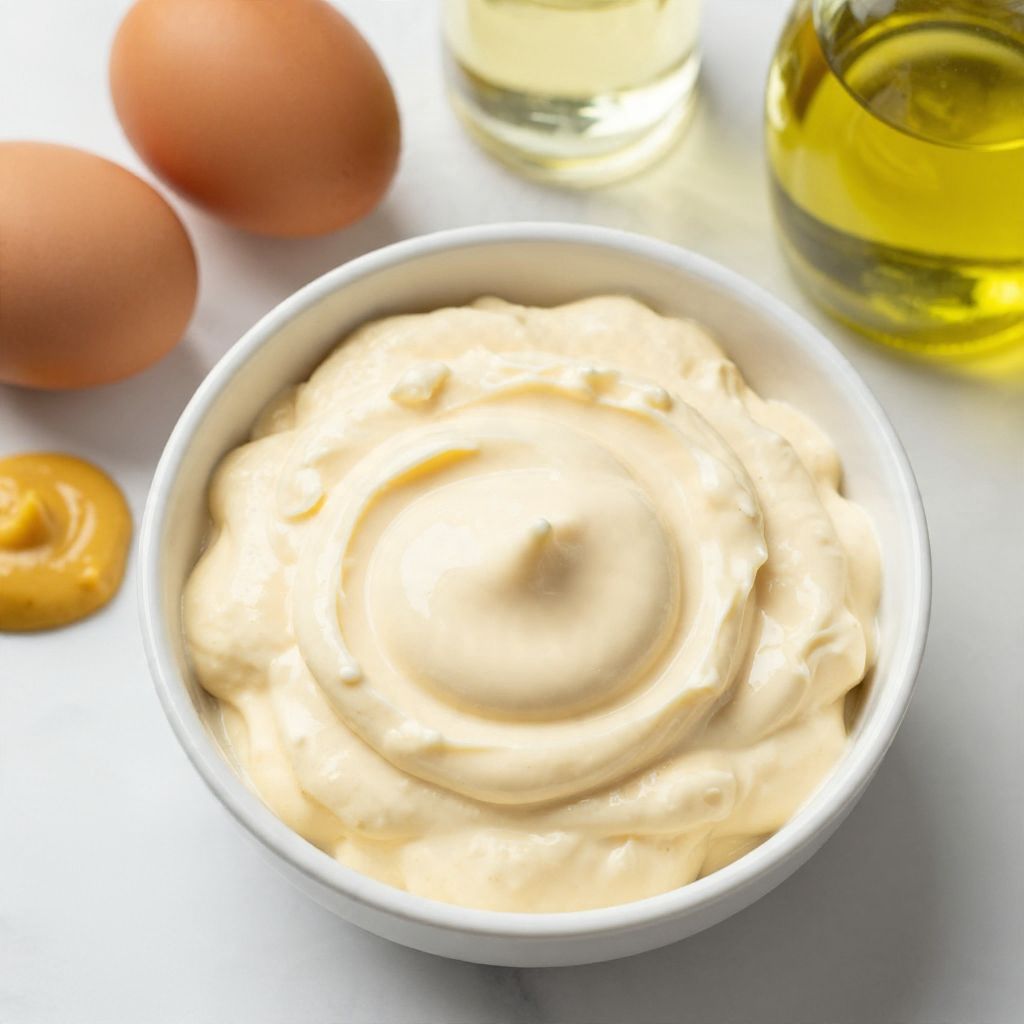
Whole 30 Mayonnaise
Ingredients
Equipment
Method
- Start by gathering all your ingredients and equipment.
- Place the room temperature egg in your blender or jar.
- Add the Dijon mustard and white wine vinegar to the egg.
- Blend the egg mixture for about 10 seconds until well combined.
- With the blender running, slowly drizzle in the olive oil.
- Continue blending until the mayonnaise thickens and turns a creamy white color.
- Taste the mayo and add salt as needed.
- Transfer your homemade mayonnaise to a glass jar or airtight container.
- Store it in the refrigerator for up to one week.