
Managing diabetes requires careful attention to dietary choices, especially concerning carbohydrate intake. Rice is a staple food for many cultures, but not all types of rice are suitable for diabetic patients. Understanding the differences between various rice types can help in making informed decisions that support blood sugar management.
This guide explores which rice varieties are best for diabetic patients, examining their nutritional profiles, glycemic indices, and how they can fit into a balanced diet.
Which Rice Is Good for Diabetic Patients?
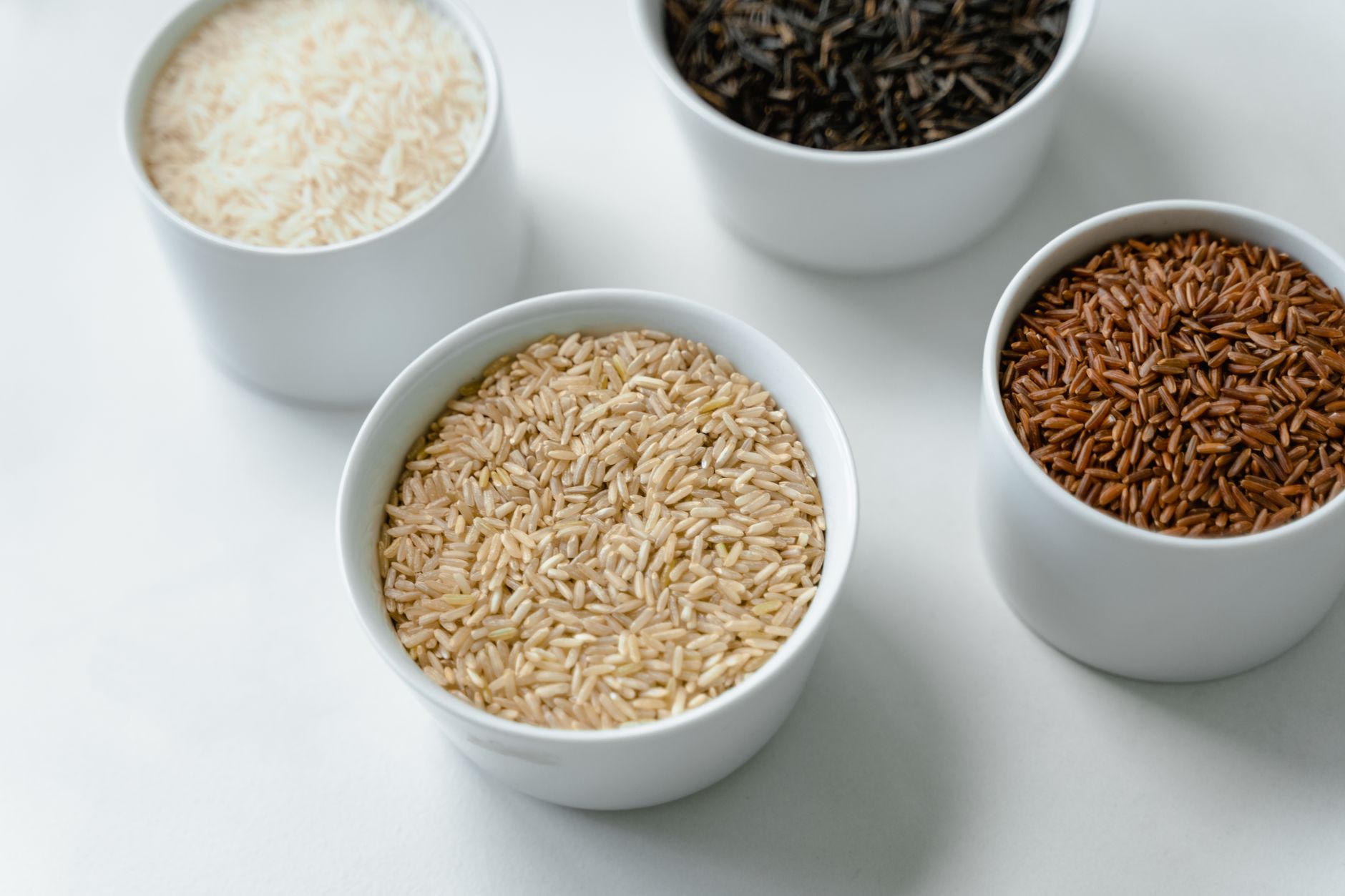
For diabetic patients, whole grain rice varieties like brown rice, black rice, and wild rice are generally better options than white rice. These options have lower glycemic indices and retain more nutrients, making them more beneficial for blood sugar control.
Understanding Glycemic Index
The glycemic index (GI) measures how quickly foods raise blood sugar levels. Foods with a low GI score (55 or fewer) result in a slower, more gradual increase in blood sugar, whereas high GI foods can cause rapid spikes. For diabetic patients, choosing low to moderate GI foods is crucial.
Nutritional Comparison of Rice Varieties
Here’s a breakdown of some common rice types and their nutritional aspects relevant to diabetic patients:
| Rice Variety | Glycemic Index (GI) | Nutrients |
|---|---|---|
| White Rice | 70-90 | Low fiber, fewer vitamins |
| Brown Rice | 50-55 | High fiber, magnesium, selenium |
| Wild Rice | 45 | High protein, fiber, B vitamins |
| Black Rice | 42 | High antioxidants, iron, fiber |
| Jasmine Rice (brown) | 55-64 | Moderate fiber, vitamins |
| Basmati Rice (brown) | 50-58 | Moderate fiber, vitamins |
Healthy Rice Choices for Diabetics
Let’s dive into the specific rice varieties that are particularly beneficial for those managing diabetes:
1. Brown Rice
Brown rice is a whole grain that retains its bran and germ, which provide dietary fiber and essential nutrients. A typical serving of cooked brown rice (1 cup) has around 215 calories, 4.5 grams of protein, and 3.5 grams of fiber. Its lower glycemic index helps in preventing blood sugar spikes, making it a suitable choice for diabetic patients.
2. Wild Rice
Wild rice is actually a grass rather than traditional rice. It is rich in protein and fiber while being lower in calories and carbohydrates compared to brown rice. One cup of cooked wild rice contains around 166 calories, 6.5 grams of protein, and 3 grams of fiber. Its low glycemic index makes it an excellent option for diabetics.
3. Black Rice
Often referred to as forbidden rice, black rice is rich in antioxidants, particularly anthocyanins, which are beneficial for overall health. A cooked cup of black rice provides approximately 200 calories, 6 grams of protein, and 3 grams of fiber. The low glycemic index of black rice contributes to better blood sugar control.
4. Quinoa and Other Alternatives
Although not rice, quinoa is a grain that’s worth considering. It has a low glycemic index and is high in protein and fiber. It’s gluten-free and contains beneficial nutrients like magnesium and B vitamins. It can be easily included in various dishes as a rice substitute.
Cooking Techniques for Diabetic-Friendly Rice
How you prepare rice can also influence its effects on blood sugar levels. Here are some cooking techniques that can enhance the health benefits of rice:
1. Rinsing Rice
Rinsing rice before cooking helps reduce excess starch, which can lower its glycemic index slightly. This is particularly beneficial for white rice, which typically has a high GI. Rinse until the water runs clear to remove additional starch.
2. Cooking Time
Cooking rice for a shorter time can help retain a firmer grain, which can reduce its glycemic impact. Al dente rice has a lower GI than fully cooked, soft rice. Additionally, try steaming or boiling instead of using creamy methods like risotto.
3. Portion Control
Even with healthier rice options, portion control is vital. Serving sizes should be moderate, typically around half a cup for cooked rice. Pair rice with plenty of vegetables and lean protein to create a balanced meal.
Incorporating Rice into a Diabetic Meal Plan
Planning meals that include rice while managing diabetes can be simple with the right approach. Here are some ideas:
Breakfast
Start your day with a quinoa breakfast bowl, adding fresh fruits, nuts, and a sprinkle of cinnamon for a nutritious, low-glycemic meal.
Lunch
A salad topped with wild rice, cherry tomatoes, cucumbers, and a light vinaigrette dressing makes for a refreshing and filling lunch.
Dinner
Consider a stir-fry made with brown rice, lots of colorful vegetables, and a lean protein source such as chicken or tofu. Opt for low-sodium soy sauce or other seasonings to keep it flavorful yet healthy.
Practical Tips for Choosing Rice
When selecting rice, consider the following:
- Choose whole grain options whenever possible.
- Check the packaging for the glycemic index or choose those labeled as whole grain.
- Read the ingredient list to avoid added sugars or preservatives.
- Try mixing different rice varieties for added nutrition and flavor.
Storing Rice
Proper storage can prolong the shelf life of rice while retaining its nutritional quality. Here are some guidelines:
- Store uncooked rice in a cool, dry place in an airtight container.
- Brown rice has a shorter shelf life due to its oils and should ideally be refrigerated if not used within a few months.
- Cooked rice should be refrigerated and consumed within 4-6 days. Reheat thoroughly to prevent foodborne illnesses.
Common Mistakes to Avoid
Many people make common errors when it comes to rice consumption that could affect blood sugar levels. Here are some pitfalls to watch out for:
- Opting for white rice frequently can lead to higher blood sugar spikes.
- Neglecting portion control can offset the benefits of healthier rice choices.
- Relying on high-calorie sauces when preparing rice dishes can undermine their healthfulness.
Conclusion
Selecting the right type of rice and preparing it properly can significantly impact blood sugar levels for diabetic patients. Focusing on whole grain varieties like brown, wild, and black rice, coupled with mindful cooking techniques, offers a way to enjoy rice in moderation. Always remember to incorporate rice into a balanced diet, rich in vegetables and lean proteins, for the best health outcomes.
Explore more about cooking healthy meals and managing dietary preferences by checking out our recipes on rice pudding and Puerto Rican rice recipes.