
Understanding the types of fats in our diet is crucial for making informed food choices. Unsaturated fats, known for their health benefits, can be found in various foods. This article will explore common ingredients that are rich in unsaturated fats, helping you make better meal selections and ingredient choices.
Unsaturated fats are typically classified into two categories: monounsaturated and polyunsaturated fats. Recognizing which foods contain these healthy fats can enhance your cooking and contribute to a balanced diet.
Which Of These Is Rich In Unsaturated Fats?
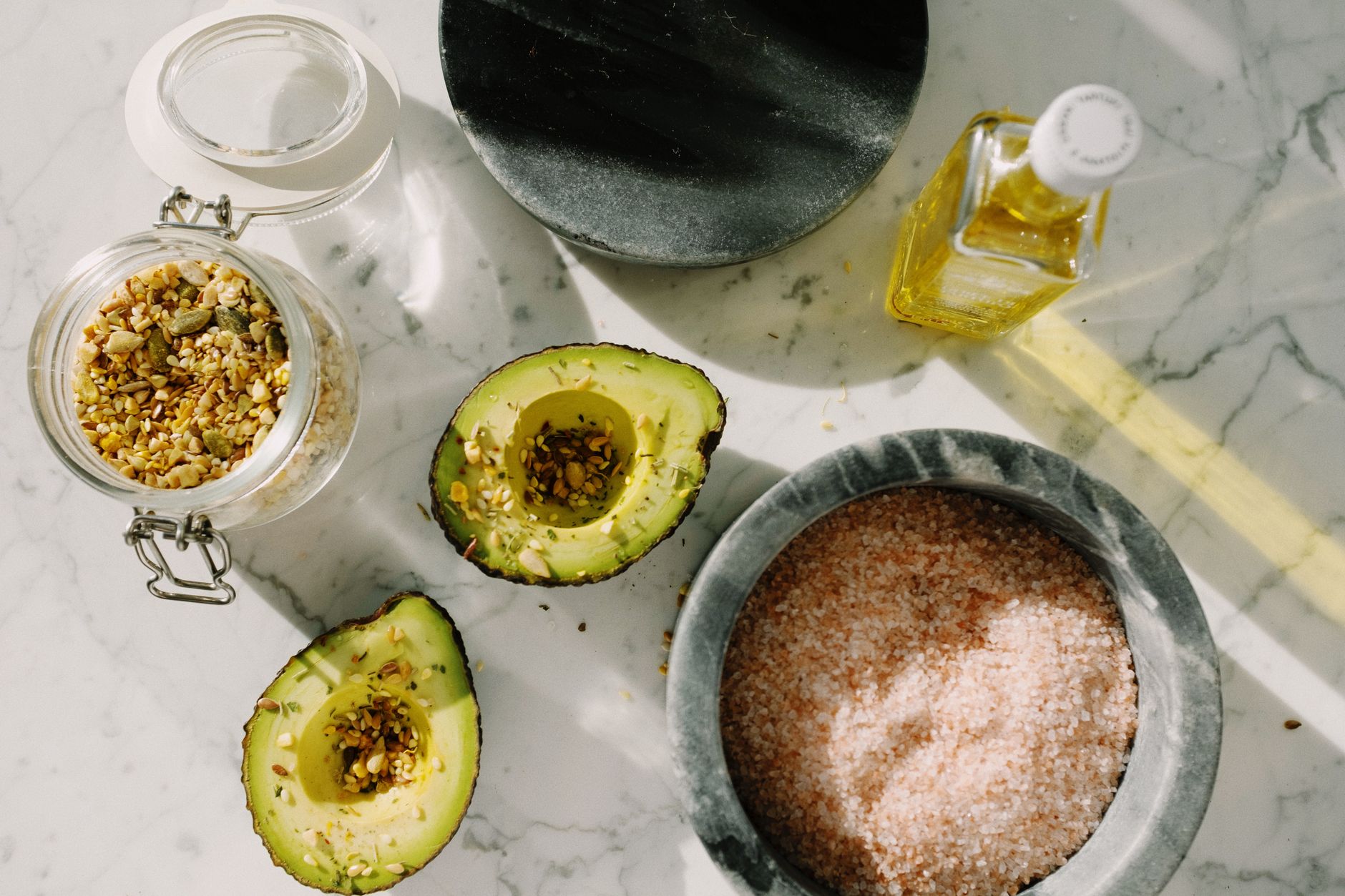
Foods that are rich in unsaturated fats include avocados, olive oil, fatty fish, nuts, seeds, and many plant-based oils. Each of these foods offers unique flavors and textures while contributing to heart health and overall well-being.
Understanding Unsaturated Fats
Unsaturated fats are essential fats that the body cannot produce on its own. They play a vital role in maintaining healthy cell membranes, reducing inflammation, and supporting brain health. Unsaturated fats can lower LDL (bad) cholesterol levels, making them a healthier option compared to saturated fats.
Types of Unsaturated Fats
- Monounsaturated Fats: These fats are typically liquid at room temperature and solidify when chilled. They help reduce the risk of heart disease and improve cholesterol levels. Common sources include olive oil, avocados, and certain nuts.
- Polyunsaturated Fats: This category includes omega-3 and omega-6 fatty acids, which are crucial for brain function and cell growth. Fatty fish, tofu, and walnuts are excellent sources of polyunsaturated fats.
Foods Rich In Unsaturated Fats
1. Olive Oil
Olive oil is one of the richest sources of monounsaturated fats, particularly oleic acid. It enhances flavor in dishes and promotes heart health. Extra virgin olive oil is the least processed and retains the highest levels of antioxidants.
Uses in Cooking
- Dressings and marinades
- Sautéing and frying
- Drizzling over vegetables or pasta
2. Avocado
Avocado is a unique fruit packed with monounsaturated fats, vitamins, and minerals. Its creamy texture makes it a perfect addition to salads, sandwiches, and smoothies.
Cooking Tips
- Use in guacamole or spread on toast
- Add to salads for creaminess
- Blend into smoothies for a rich texture
3. Nuts
Nuts such as almonds, walnuts, and cashews are excellent sources of unsaturated fats. They provide a satisfying crunch and a range of flavors. Nuts can be incorporated into various dishes or enjoyed as a snack.
Health Benefits
- Heart health support
- Rich in protein and fiber
- Antioxidant properties
4. Fatty Fish
Fatty fish, including salmon, mackerel, and sardines, are rich in omega-3 fatty acids, a type of polyunsaturated fat beneficial for heart health. Regular consumption may help reduce the risk of cardiovascular diseases.
Cooking Techniques
- Grilling or baking for maximum flavor
- Adding to salads or serving with vegetables
- Using fish oil in dressings for added health benefits
5. Chia Seeds
Chia seeds are tiny powerhouses loaded with omega-3 fatty acids, fiber, and protein. They can be used in a variety of dishes, including smoothies and puddings.
Incorporation into Meals
- Mix into yogurt or smoothies
- Use in baking for added nutrition
- Make chia pudding with coconut milk
Other Ingredients Rich In Unsaturated Fats
In addition to the above foods, several other ingredients are also excellent sources of unsaturated fats:
- Canola Oil: A versatile oil ideal for cooking and baking.
- Soybean Oil: Commonly used in salad dressings and processed foods.
- Walnut Oil: Delivers a rich, nutty flavor ideal for drizzling over salads.
- Sunflower Seeds: Great as snacks or sprinkled on salads for added crunch.
- Peanut Butter: A delicious spread that offers a mix of protein and healthy fats.
Making Healthy Choices
When incorporating unsaturated fats into your diet, it’s essential to balance them with other nutrients. Here are some tips for making healthy choices:
- Opt for whole foods instead of processed options.
- Use unsaturated fats as a replacement for saturated fats where possible.
- Pay attention to portion sizes, as fats are calorie-dense.
Common Mistakes and Tips for Cooking With Unsaturated Fats
When using unsaturated fats, there are a few common mistakes to avoid. Here are some practical tips:
- Overheating Oils: Unsaturated fats can break down at high temperatures. Use appropriate oils based on cooking methods.
- Neglecting Storage: Rancidity can occur if unsaturated oils are stored improperly. Keep them in a cool, dark place.
- Ignoring Labels: Check for trans fats and added sugars in products. Choose options with healthy unsaturated fats.
Substitutions for Unsaturated Fats
If you want to replace saturated fats in your cooking with unsaturated fats, here are some useful substitutions:
| Ingredient | Unsaturated Fat Substitute |
|---|---|
| Butter | Olive oil or avocado oil |
| Heavy cream | Coconut cream or yogurt |
| Mayonnaise | Avocado or tahini |
| Animal fats | Nut butters or seed oils |
Meal Planning with Unsaturated Fats
Incorporating unsaturated fats into meal planning can enhance flavor while supporting health goals. Here’s a sample plan to get you started:
Sample Meal Plan
- Breakfast: Avocado toast topped with chia seeds.
- Lunch: Spinach salad with grilled salmon, walnuts, and olive oil dressing.
- Dinner: Quinoa bowl with roasted vegetables and tahini sauce.
- Snack: Hummus with carrot and cucumber sticks.
This meal plan includes a variety of nutrients while focusing on unsaturated fats for optimal health.
Conclusion
Choosing foods rich in unsaturated fats not only adds flavor to your meals but also promotes better health. By incorporating ingredients like olive oil, avocados, and fatty fish, you can enhance your cooking and contribute to a balanced diet. Optimal health starts with informed choices.
Explore more about how to substitute oils effectively at this link or learn about making delightful chia pudding with coconut milk at this recipe.