
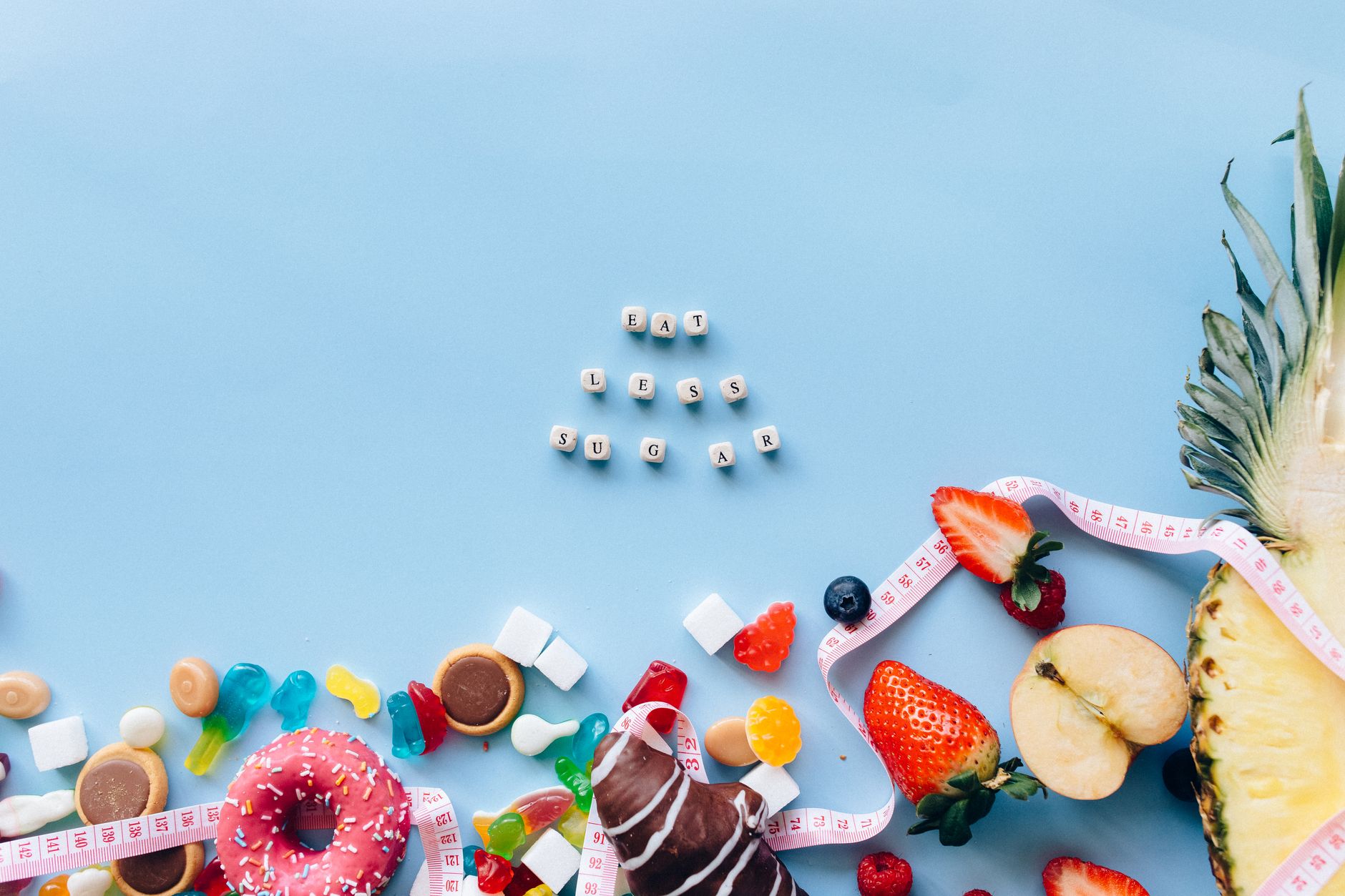
Understanding sugar content is crucial for making informed dietary choices. Whether you’re sweetening your morning coffee or whipping up a dessert, knowing which ingredients contain more sugar can help you tailor recipes to your needs. This guide explores various types of sugar, their kitchen uses, and tips for making healthier choices.
With the rising consciousness about health and nutrition, many people find themselves asking: “Which has more sugar?” This article will address that question in detail by comparing common sugars and sweeteners, discussing their culinary uses, and providing helpful buying tips.
Which Has More Sugar?
To answer the question of which sweetener contains more sugar, it’s essential to compare various types. Here’s a quick overview:
- Cane Sugar (Sucrose): 100% sugar
- Brown Sugar: Approximately 90% sugar
- Honey: About 82% sugar
- Maple Syrup: Roughly 66% sugar
- Agave Nectar: About 56-90% sugar, varying by brand
- Coconut Sugar: Approximately 70% sugar
- Stevia: 0 calories, about 0-4% carbohydrates (depending on the form)
Based on this comparison, pure cane sugar has the highest sugar content, while stevia, a natural sweetener, contains negligible sugar. The remaining sweeteners, such as honey and maple syrup, have lower sugar content but still contribute significant sweetness to dishes.
Types of Sugar and Their Uses
Cane Sugar
Cane sugar, or granulated white sugar, is derived from sugarcane or sugar beets. It’s commonly used in baking, cooking, and sweetening beverages. Due to its high purity, it dissolves well, making it ideal for recipes that require even sweetness.
Brown Sugar
Brown sugar is essentially white sugar combined with molasses, which gives it a unique flavor and moisture. It is often used in baking for cookies, cakes, and sauces. The moisture in brown sugar helps create a soft texture in baked goods.
Honey
Honey is a natural sweetener produced by bees. It adds a distinct floral flavor to recipes and acts as a humectant, drawing moisture to baked goods. It works well in dressings, marinades, and as a topping for yogurt and desserts.
Maple Syrup
Pure maple syrup is harvested from the sap of maple trees. Its rich, caramel-like flavor is perfect for pancakes and desserts. It can also serve as a natural sweetener in baked recipes, providing a unique flavor profile.
Agave Nectar
Agave nectar is derived from the agave plant and has a lower glycemic index than other sweeteners. It is commonly used in vegan recipes and as a sweetening agent for drinks and desserts, but it is still high in fructose, so moderation is essential.
Coconut Sugar
Coconut sugar is made from the sap of coconut palm trees and is often praised for its lower glycemic index. It has a subtle caramel flavor, making it suitable for baking and cooking, but it is still predominantly sugar.
Stevia
Stevia is a zero-calorie sweetener extracted from the leaves of the stevia plant. It’s significantly sweeter than regular sugar, so a small amount goes a long way. Stevia is ideal for those looking to reduce calorie intake and can be used in beverages or sprinkled on food.
Cooking and Baking with Different Sugars
Understanding the properties of each sugar type can help you choose the right one for your recipe. Here’s how these sweeteners can impact texture, flavor, and moisture.
Granulated Sugar
When using granulated sugar, consider its ability to aerate and stabilize whipped mixtures, such as meringues and cakes. It contributes to browning through caramelization in baked goods. Always measure accurately for the best results.
Brown Sugar
Brown sugar’s molasses content adds moisture, which is ideal for cookies and cakes that benefit from a chewier texture. If a recipe calls for brown sugar and you only have white sugar, you can create a substitute by adding a tablespoon of molasses per cup of sugar. However, the final texture may differ.
Using Honey in Baking
When substituting honey for sugar in baking, use about ¾ cup of honey for every cup of sugar and reduce the overall liquid in the recipe by about ¼ cup. Honey will make baked goods denser and add a slightly different flavor.
Maple Syrup Substitution
For recipes that call for white or brown sugar, you can use maple syrup as a sweetener. Use a ratio of ¾ cup of maple syrup for every cup of sugar and reduce the liquid in the recipe accordingly. The earthy flavor it offers can complement dishes beautifully.
Agave Nectar in Recipes
When substituting agave nectar in place of sugar, use about ⅔ cup for each cup of sugar and adjust liquids as required. Agave’s smooth texture and mild flavor make it a good fit for a variety of recipes.
Coconut Sugar Considerations
Coconut sugar can typically replace granulated sugar in equal measures due to its similar texture. However, it does have a lower sweetness level, so you may want to adjust based on taste.
Using Stevia Wisely
When substituting stevia for sugar, remember that it is much sweeter, so use it sparingly. A general guideline is to use a teaspoon of stevia for every cup of sugar. It’s best to incorporate stevia in recipes designed for sugar alternatives to obtain the desired texture and flavor.
Health Considerations Around Sugar
Sugar consumption has been linked to various health issues, including obesity, diabetes, and heart disease. Reducing added sugars in your diet can be beneficial for long-term health. Here are several tips to keep in mind:
- Read labels: Understand and track added sugars in packaged products.
- Choose whole foods: Opt for fruits, vegetables, whole grains, and proteins that are naturally low in sugar.
- Limit sugary beverages: Sodas, energy drinks, and even flavored coffees can add up quickly.
- Experiment with sugar alternatives: Use natural sweeteners like stevia or monk fruit to reduce sugar intake.
Buying Tips for Sweeteners
When it comes to purchasing sugars and sweeteners, consider the following:
- Check for purity: Choose natural, pure sweeteners without additives or fillers for better quality.
- Consider organic options: Organic sugars may have fewer chemical residues and often taste better.
- Beware of “healthy” labels: Don’t let labeling fool you; always read the nutrition facts and ingredient list.
- Test different brands: Not all sugars are created equal; you may prefer the flavor of one brand over another.
Common Mistakes to Avoid When Using Sugar
Here are some common pitfalls in sugar usage and how to avoid them:
- **Overmeasuring**: Measuring sugar accurately can significantly impact the final product.
- **Substituting blindly**: Not every sugar has the same sweetness level, texture, or moisture content, so substitutions should be approached cautiously.
- **Ignoring health effects**: Balance is essential; moderate sweetener use can fit into a healthy diet.
Making Sugars Healthier
While completely removing sugar from your diet may not be realistic, you can take steps to make your use of sugar healthier:
- Use less: Gradually reduce the amount of sugar you add to recipes and beverages.
- Incorporate whole foods: Use fruits to sweeten dishes naturally, gaining nutritional benefits as well.
- Focus on flavor: Experiment with spices like cinnamon or vanilla to naturally enhance sweetness.
Storing and Preserving Sugars
Proper storage can extend the shelf life of sugars and sweeteners:
- Granulated and brown sugars should be kept in airtight containers to prevent clumping and moisture absorption.
- Honey and maple syrup should be stored in a cool, dark place; they do not typically spoil.
- Stevia powders and liquids should be kept sealed tightly to maintain their quality.
Conclusion
Understanding which sweeteners have more sugar allows you to make informed choices in your culinary endeavors. Experimenting with different types can lead to discovering flavors you enjoy while maintaining a healthy approach to your diet.
For practical uses of alternative sweeteners, consider checking out our guides on making date syrup and brown sugar syrup.